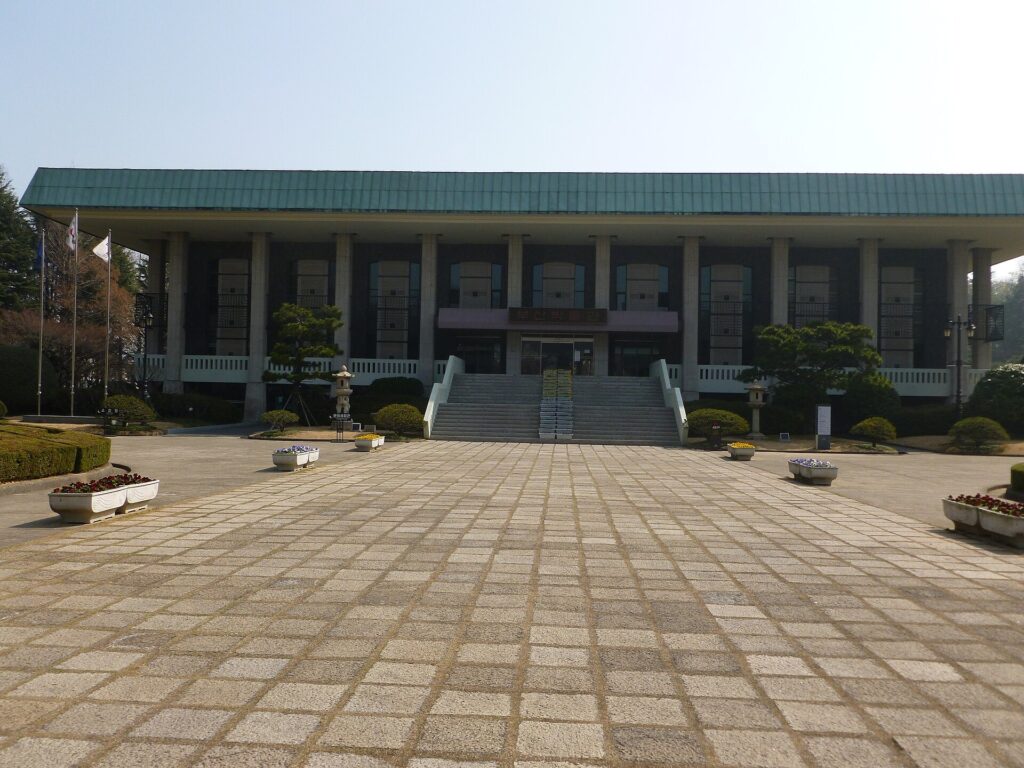
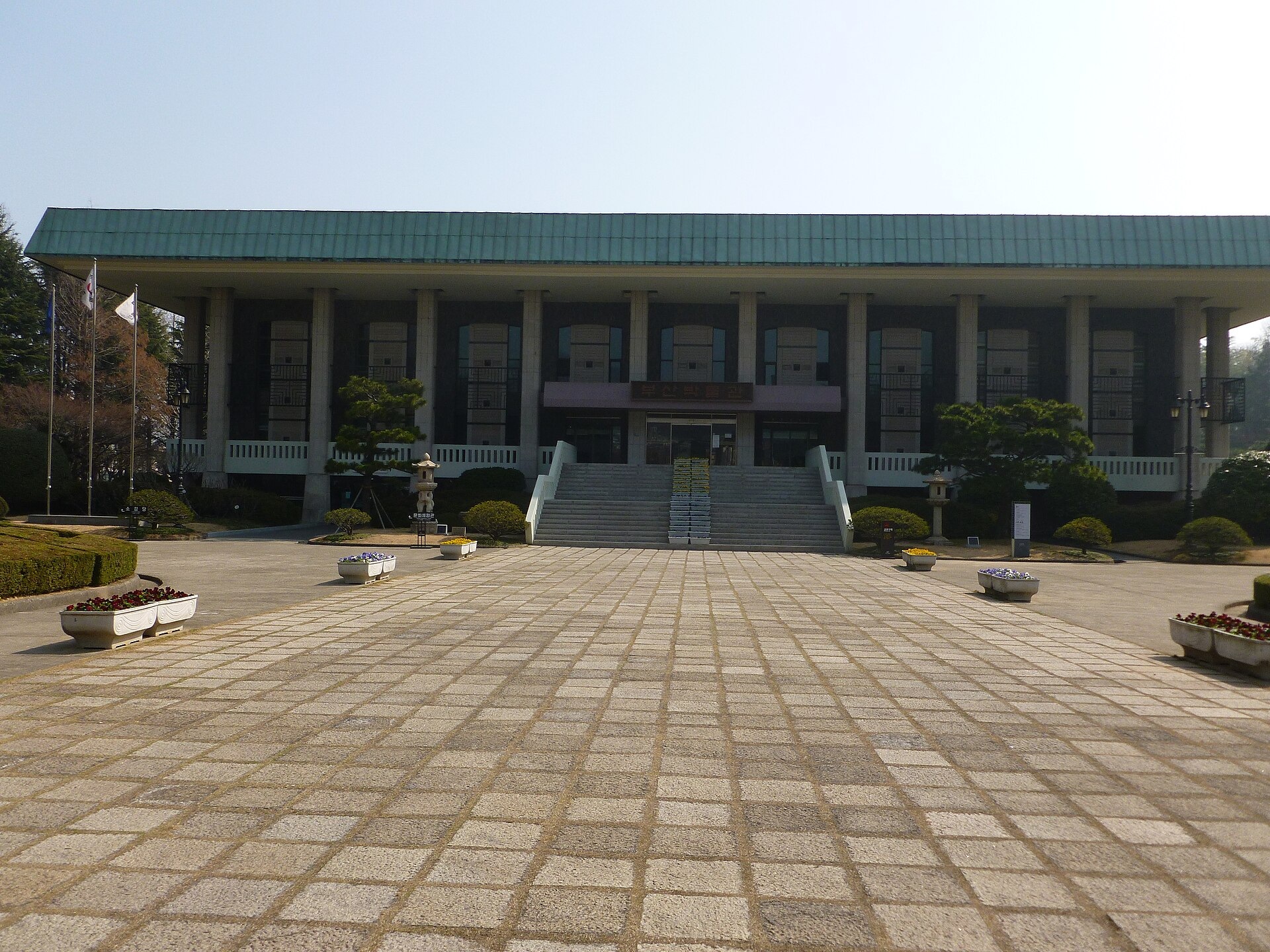
Busan Museum works best as a visit with a question: how did this coastal city become the place you are travelling through? You do not need to recognise every dynasty or read every label to leave with a clearer picture. An English audio guide makes it easier to choose a few objects and spend time with them.
Bring earphones, not another museum app
The museum’s permanent-exhibition audio guide is free and includes English, Korean, Chinese and Japanese. Scan the gallery QR codes on your phone to open the web guide; a separate app installation is not required. The service covers Dongnae Hall and Busan Hall’s Joseon-to-modern exhibitions.
Bring personal earphones and a charged phone. At the first object that interests you, try one explanation before deciding how much of the guide you want to follow. Listening selectively can be more rewarding than playing every track while walking away from the object it describes.
Choose a question that follows you outside
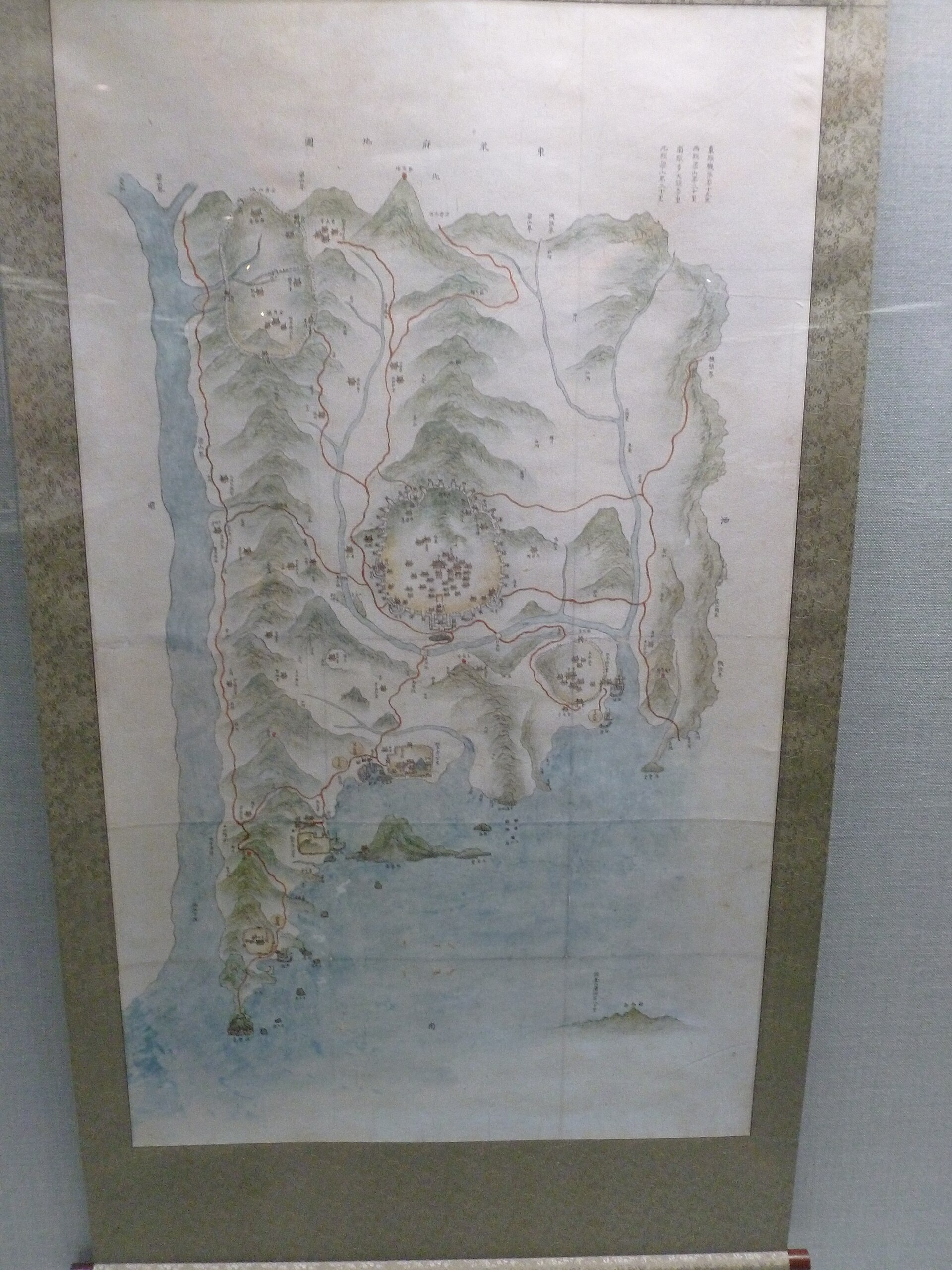
For a first visit, one useful approach is to look for how people moved through the region: a map, a transport-related object or an account of exchange. Another is to choose an everyday material, then compare how it was used in different periods. These are suggested ways to look, not a claim that a particular object is on display today.
When a map appears, compare its emphasis with your own travel map. Does it make the coast, settlement or surrounding land easiest to notice? Use the exhibit label to establish what the map actually represents before attaching a modern neighbourhood name to a shape. You can take that habit into the city afterward: look first, then check the explanation.
Give one object longer than the photograph takes
Try a small exercise with an object you find in the gallery. Notice its shape and surface before reading. Then check the material, date and stated use. Finally, decide which detail you would have misunderstood without that information. This turns a photograph into something you can explain rather than another unidentified image on your phone.
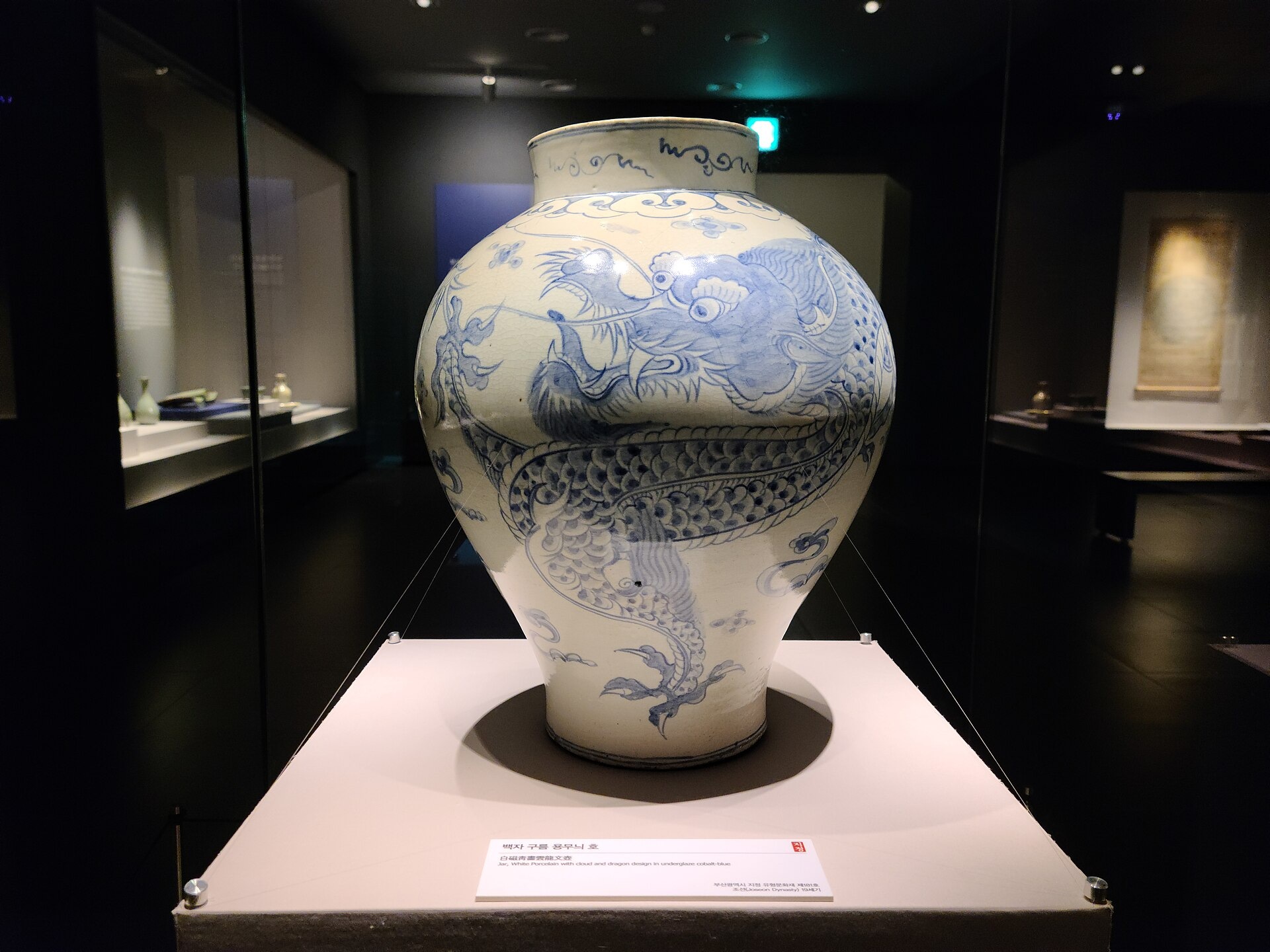
If you are visiting with someone who reads another language, choose the same object and compare the detail each of you noticed. The multilingual guide makes that a more useful shared activity than one person trying to translate every wall panel for the other.
Plan around the admission cutoff and the correct museum
The current visitor page lists free admission, 09:00–18:00 opening and a 17:00 admission cutoff. The museum closes on January 1 and Mondays; when Monday is a public holiday, the closure moves to the next weekday. Check the holiday calendar before treating Monday as a dependable rainy-day backup.
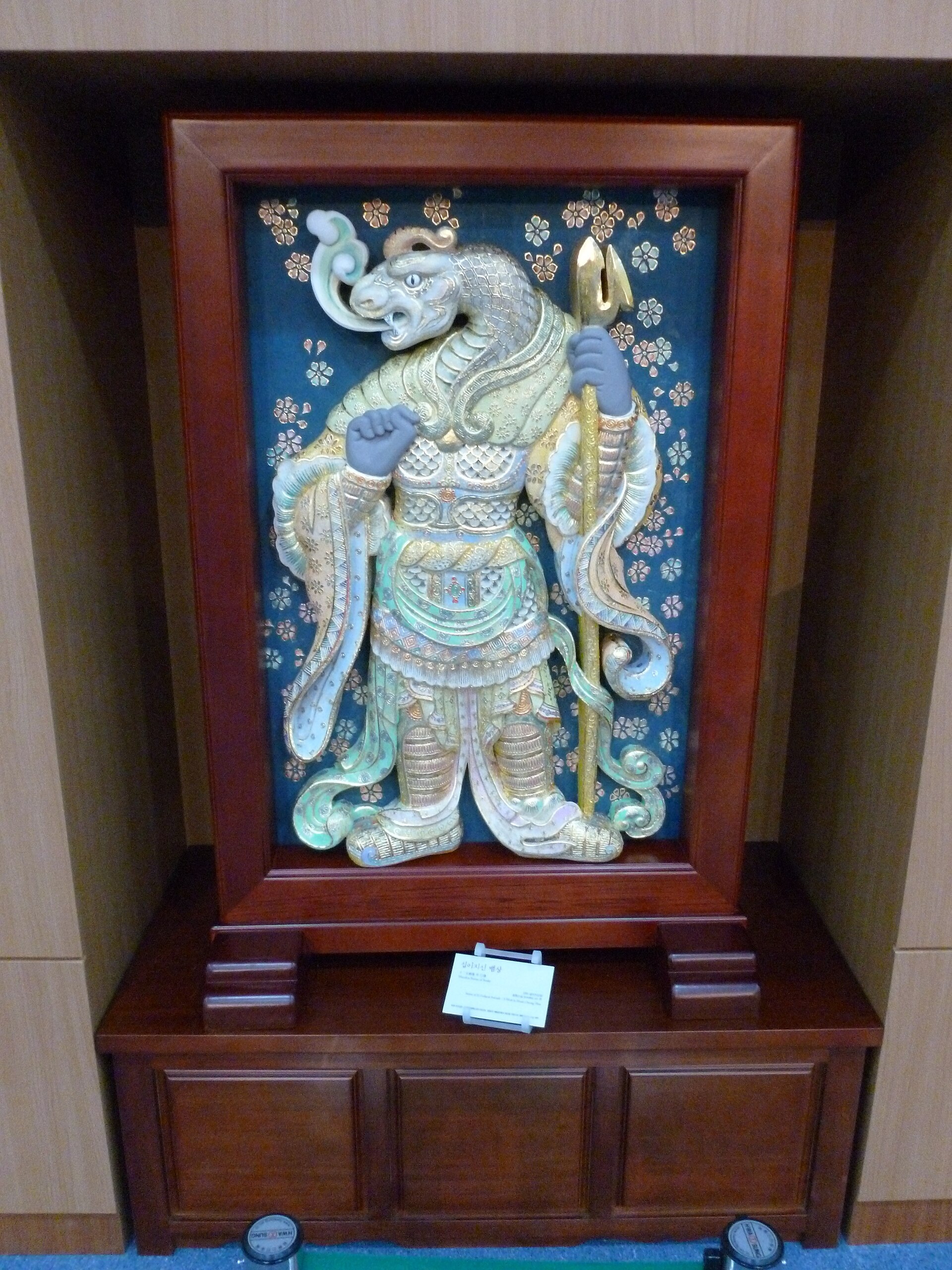
Use 부산박물관, 부산 남구 유엔평화로 63 in a Korean map app. This is the history museum in Daeyeon-dong, not the Museum of Contemporary Art Busan or the Busan Museum of Movies. The distinction matters more than picking the first result with “Busan” and “museum” in its English name.
If you have only a short afternoon, choose one part of the permanent exhibition and leave space to listen. A late arrival that beats the admission cutoff is not automatically enough time for the visit you imagined.