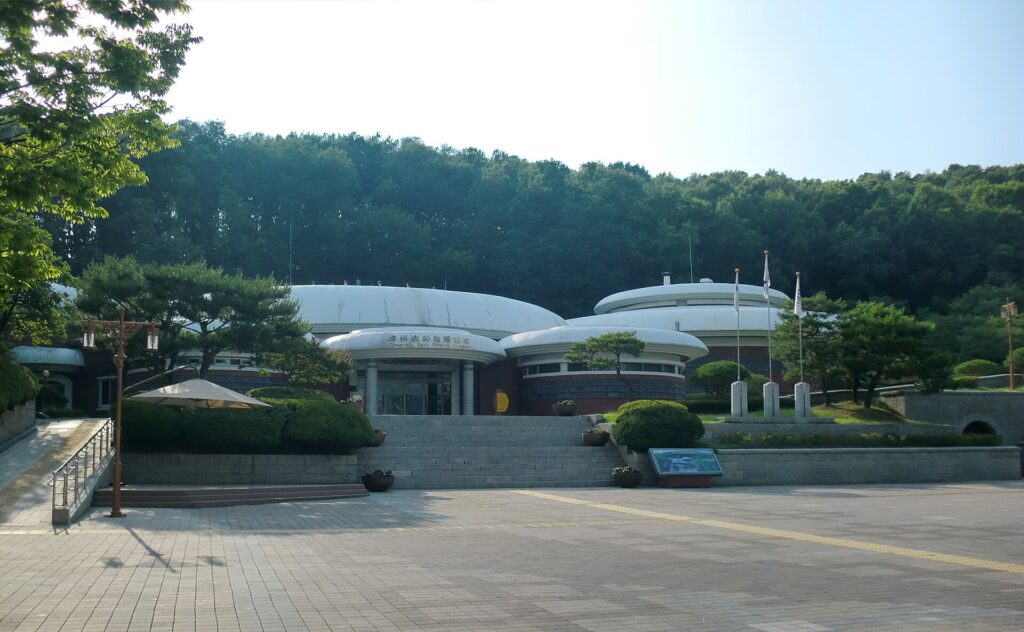
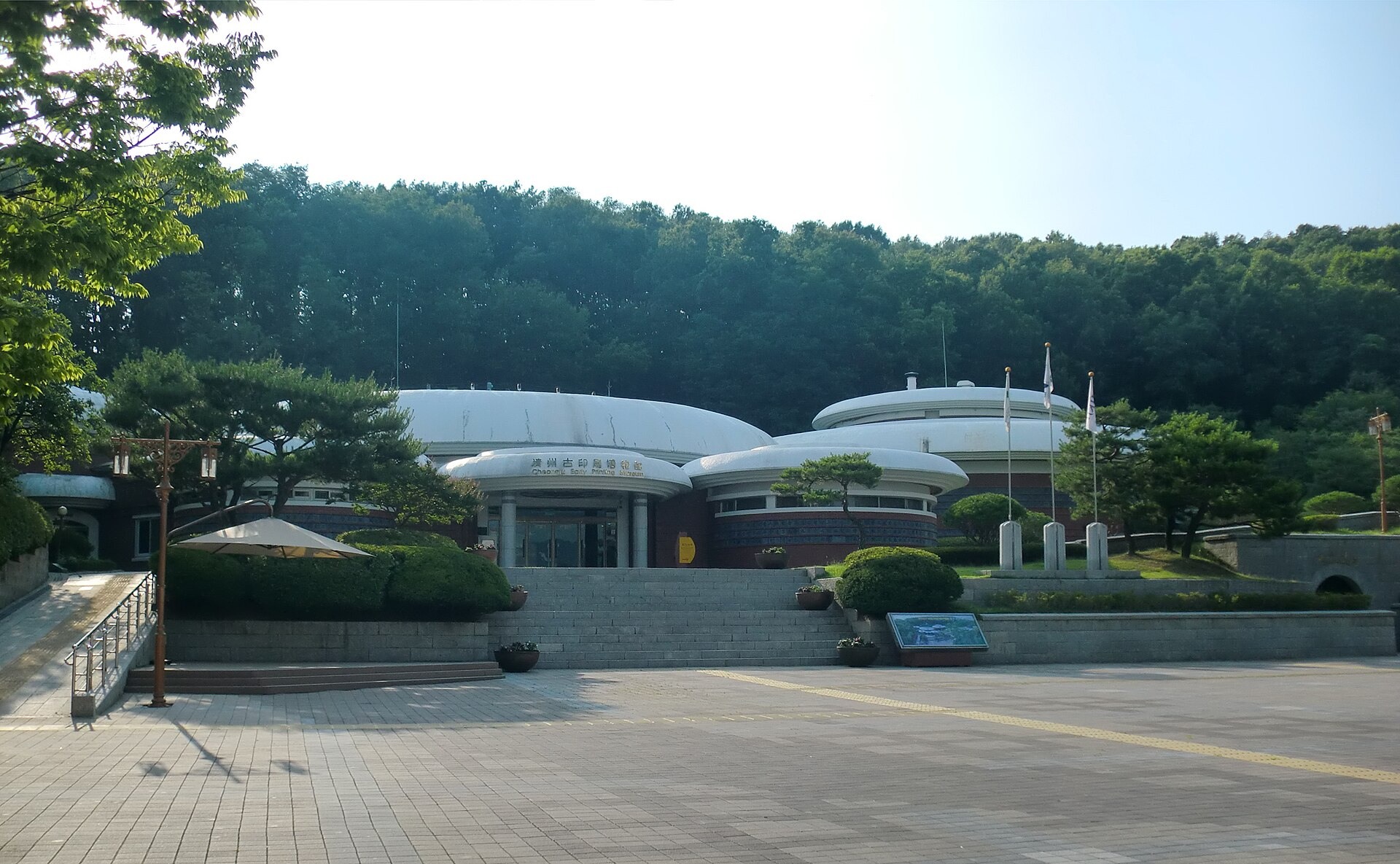
The phrase “world’s oldest” can dominate a visit to Cheongju’s Early Printing Museum. A more useful question is how separate pieces of type become a page that many people can read. Start with that process, then connect the book to the temple site beside the museum. You will leave with something more substantial than a date to compare with Gutenberg.
Set the right expectation about the original Jikji
The Bibliothèque nationale de France’s explanation of the Jikji identifies the surviving second volume of the 1377 metal-type edition as part of its collection in France. Do not travel to Cheongju expecting that original volume to be routinely displayed here. The book’s digital reproduction offers a different way to examine its pages.
The precise distinction matters: it is the oldest surviving book printed with movable metal type, not the oldest book made by any method. A 1378 woodblock edition is another edition, not a second date for the same printing. Keep edition, printing method and surviving copy separate as you read exhibition labels. That habit prevents a headline achievement from flattening a complicated history.
Look at a piece of type as a tool
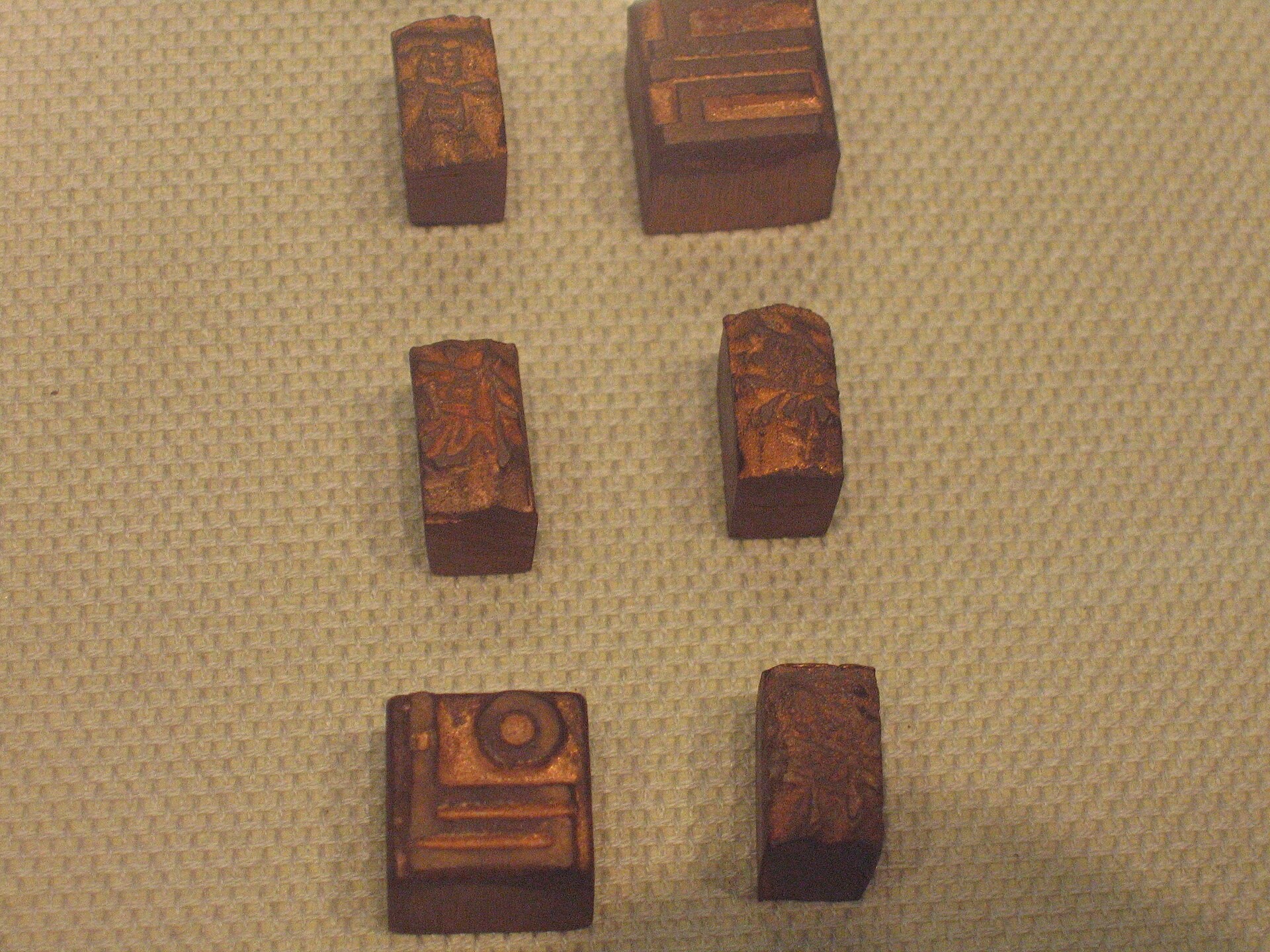
With movable type, separate characters can be arranged for one text and rearranged for another. A carved woodblock carries a whole prepared page rather than the same set of individually movable characters. In a display, look for the printing face and imagine the work between making the pieces and producing a legible impression: ordering them, holding them together, inking and transferring the result to paper.
A useful exercise is to choose one character shape and look for how it would sit among its neighbors. Uneven height or alignment would matter to a printed line. You do not need to read every historical character to understand that physical problem. Labels should tell you whether the objects are historical type, replicas or demonstration pieces; their age should not be inferred from the display case.
A temple name on a bronze object is evidence
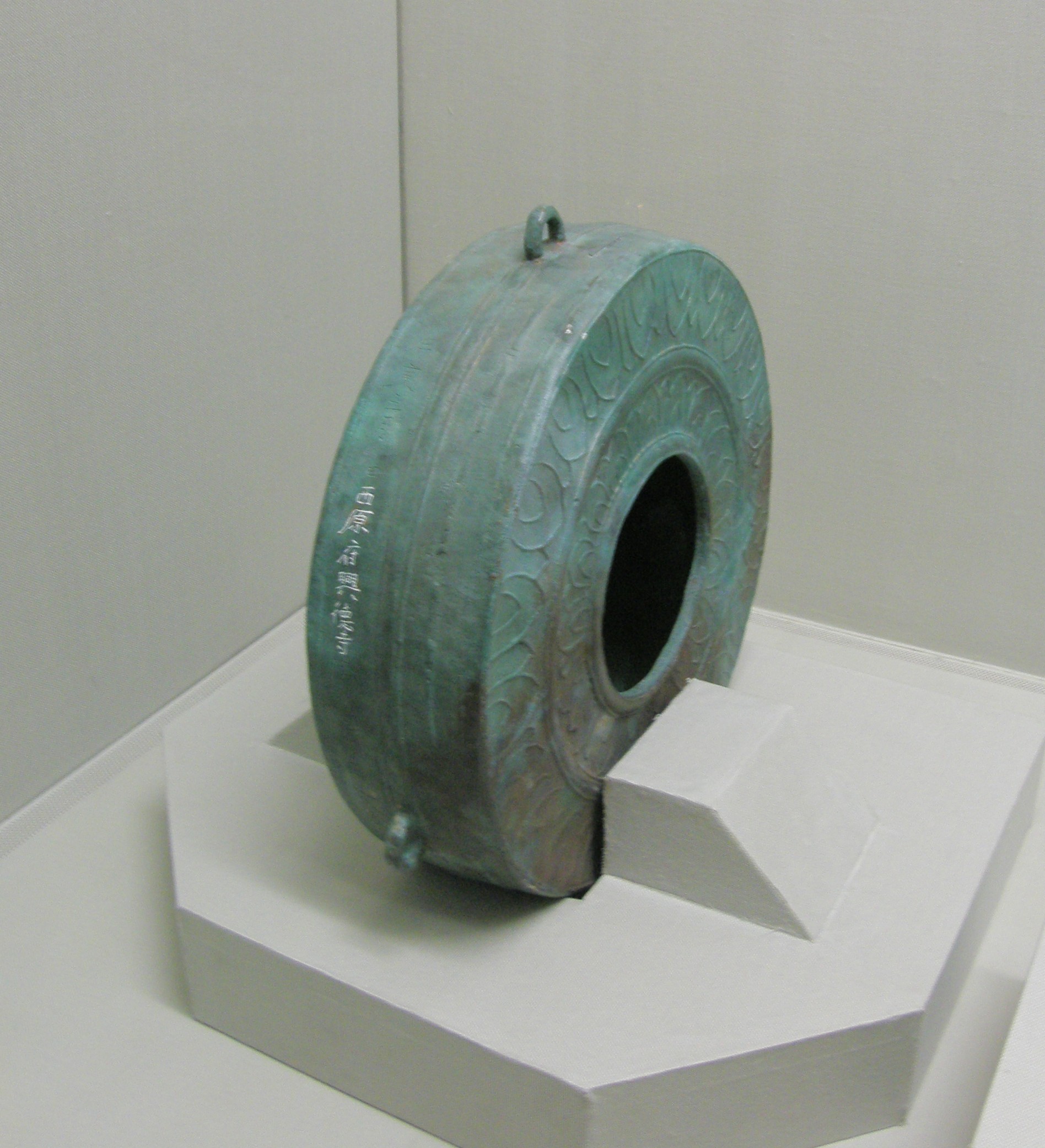
The Korea Heritage Service’s site account explains that a bronze gong bearing the name Heungdeoksa was found in the 1985 excavation. The inscription helped identify the temple site. This is a different kind of evidence from a printed book: a named object ties the place to a historical institution.
Look closely at inscriptions and labels rather than treating every excavated vessel as decorative background. Ask what an object can actually establish. A temple name can support an identification; it does not, on its own, tell you every detail of a printer’s working day. That distinction is a small but useful way to read archaeology critically.
Step outside to understand the scale of the site
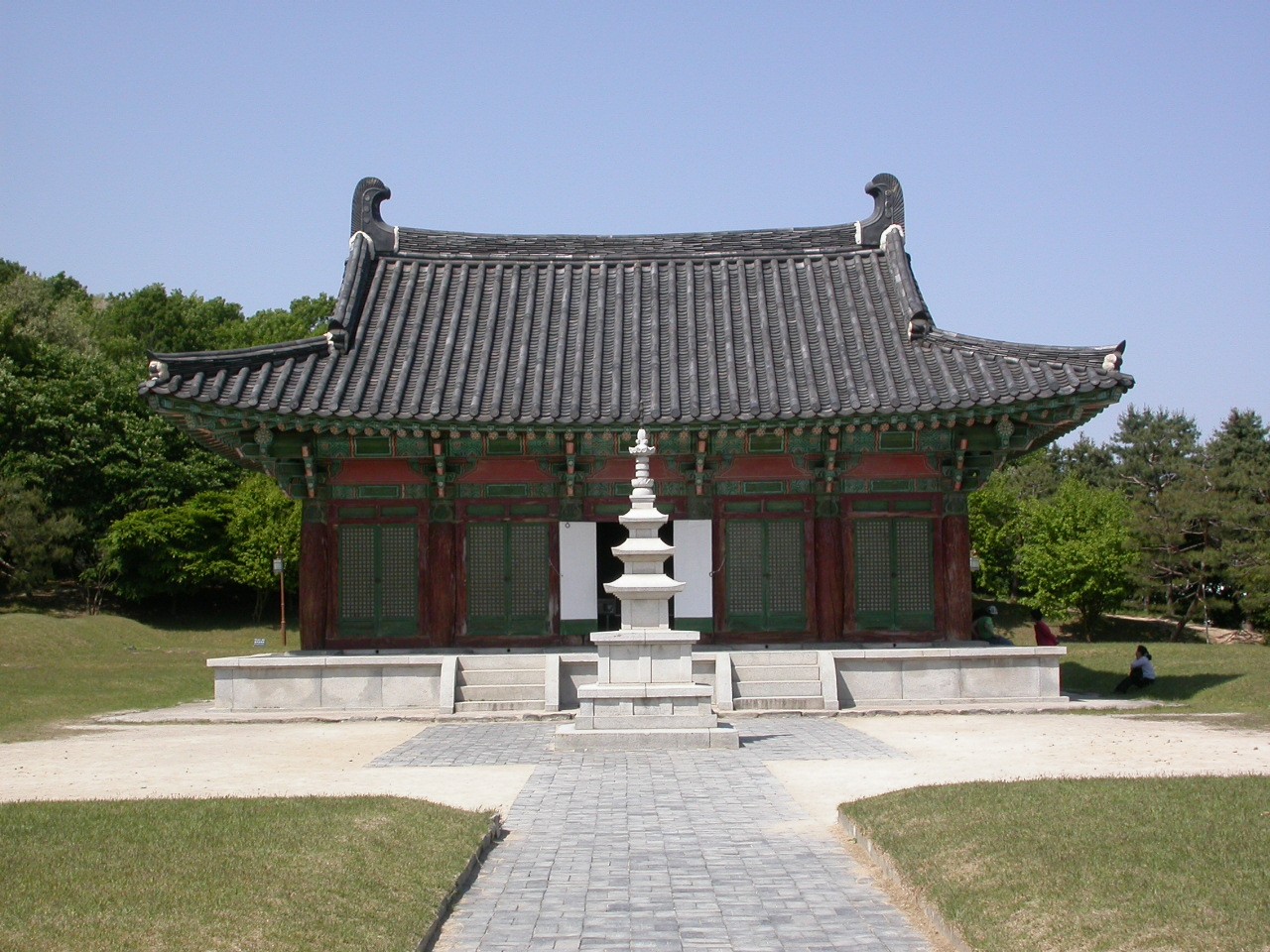
The hall and three-story stone pagoda at the site were reconstructed following excavation; they are not buildings that have stood unchanged since the Jikji was printed. Outside, compare the ground plan with the compact page-making problem inside. One shows a place of activity, the other the objects and processes associated with it.
The museum’s current visitor information gives 09:00–18:00 hours. Admission is free; regular closure is Monday and January 1, with special opening arrangements during Seollal and Chuseok. The museum suggests about ninety minutes for the main exhibition and thirty for the separate modern-printing exhibition. Those are planning estimates, not required tour lengths.
Use 713 Jikji-daero, Heungdeok-gu, Cheongju, and call 043-201-4266 for date-specific arrangements. Details checked on 4 October 2026. If time is short, prioritize the main museum and the adjacent temple site; add the modern-printing exhibition when you want to follow the story beyond early metal type.