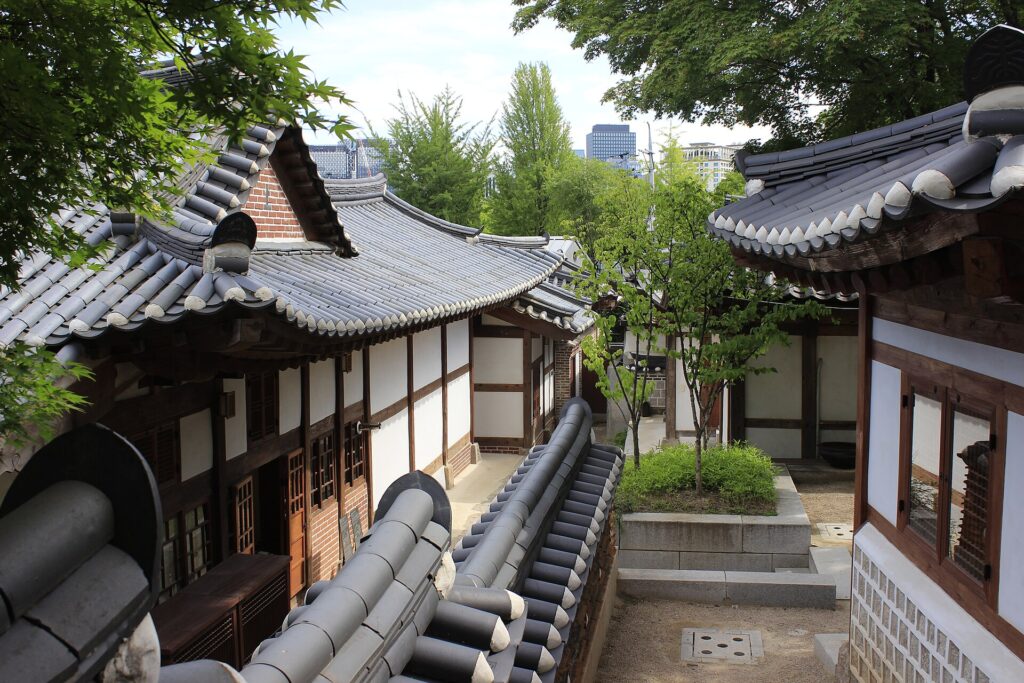
A photograph of a room at Baek In-je House can create the wrong expectation: that every visitor may enter every room. Start by choosing between an exterior-focused visit and a guided experience. That decision matters more than fitting another hanok address into a Bukchon checklist.
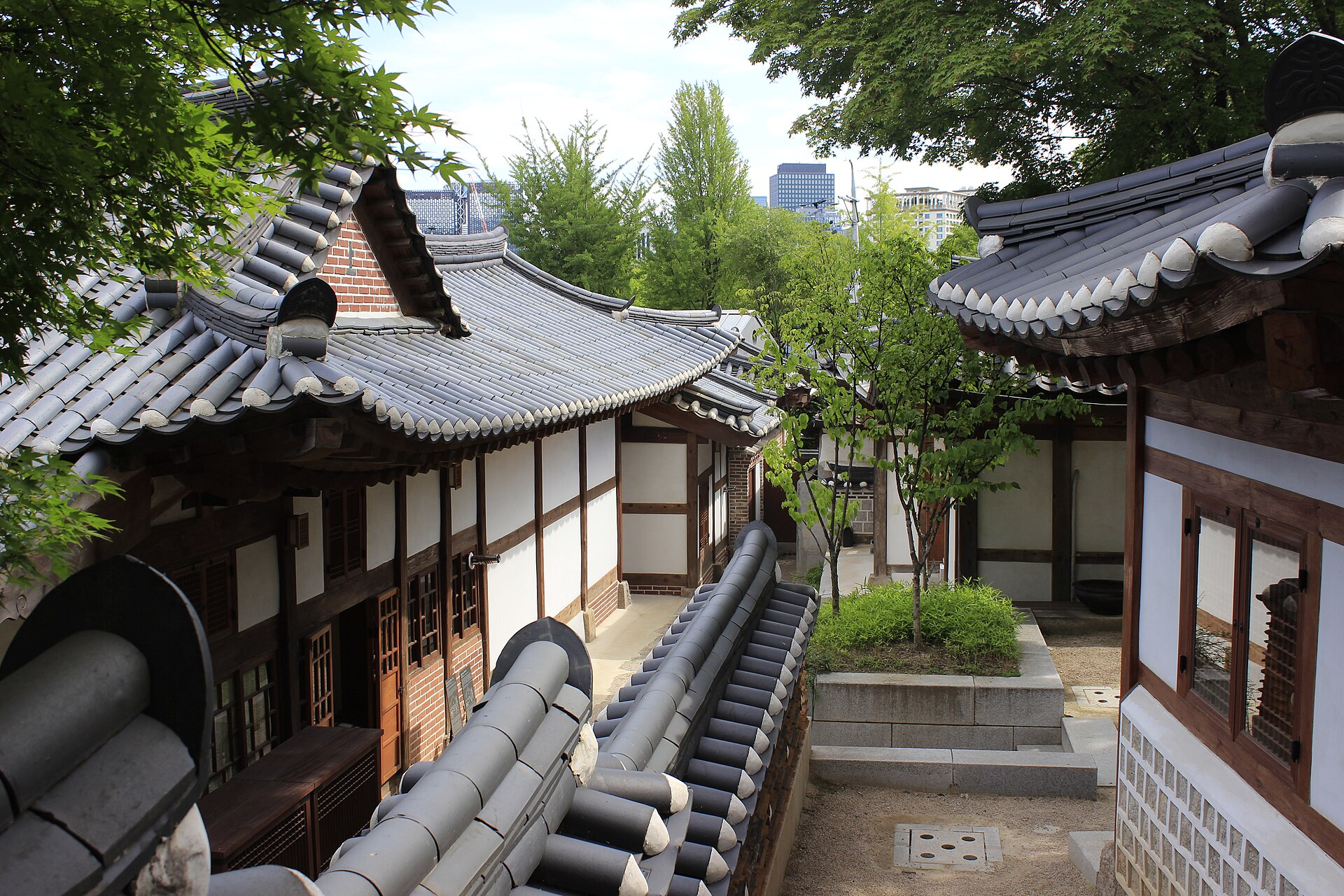
Treat a self-guided visit as an exterior visit
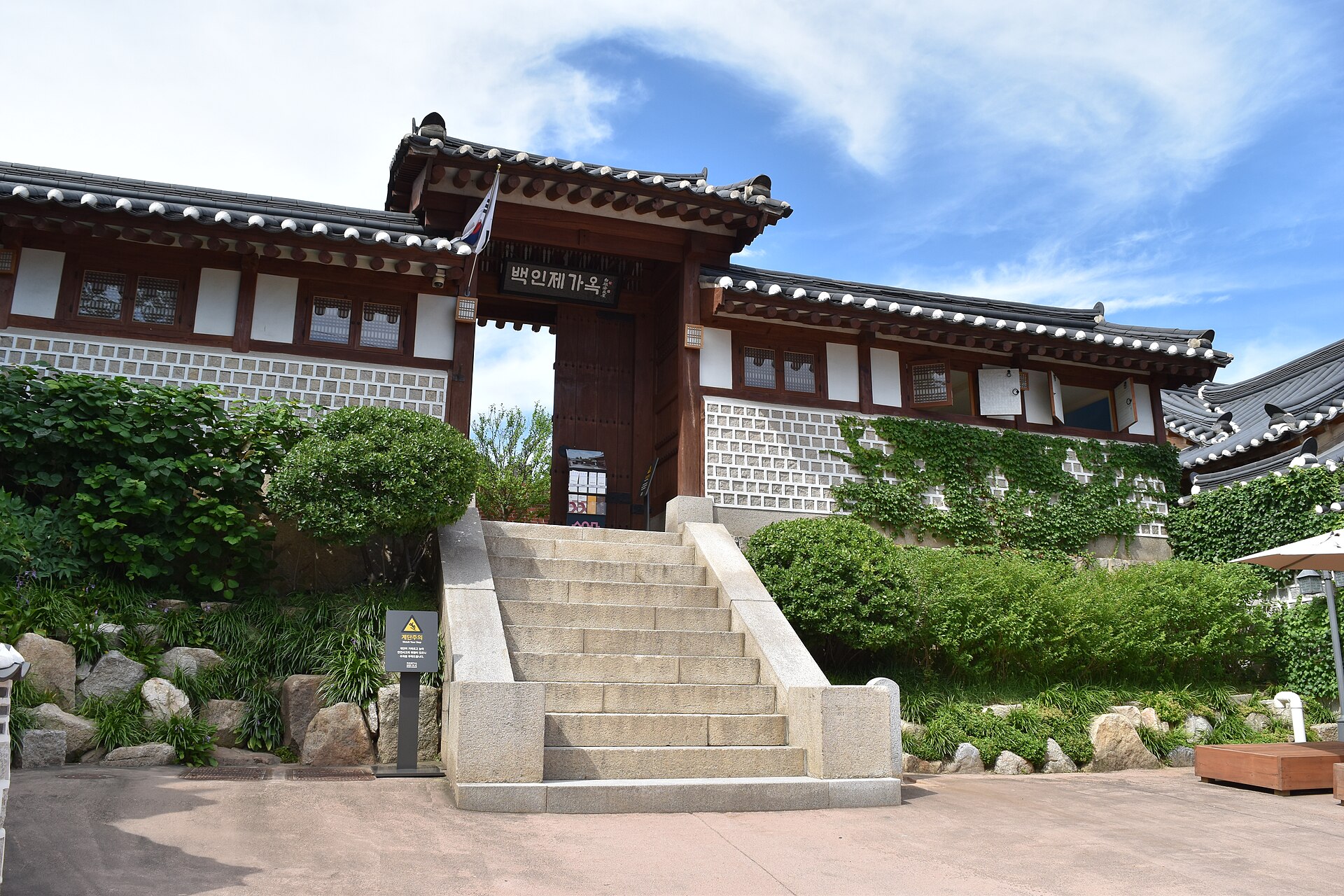
The Seoul Museum of History’s visitor information distinguishes the outside of the house from interiors such as the anchae and sarangchae. General visitors can look around the exterior during opening hours; that does not provide unrestricted room access. A short stop during a Bukchon walk can still work well if the garden and the relationship between buildings are what you came to see.
An open door, or a person visible inside, is not sufficient evidence that a room is open to everyone. It may be part of a guided route or staff access. If a particular interior is essential to your visit, ask about it before assuming admission. Matching the plan to the access arrangement avoids turning an interesting house into a disappointing hunt for a photograph you cannot reproduce.
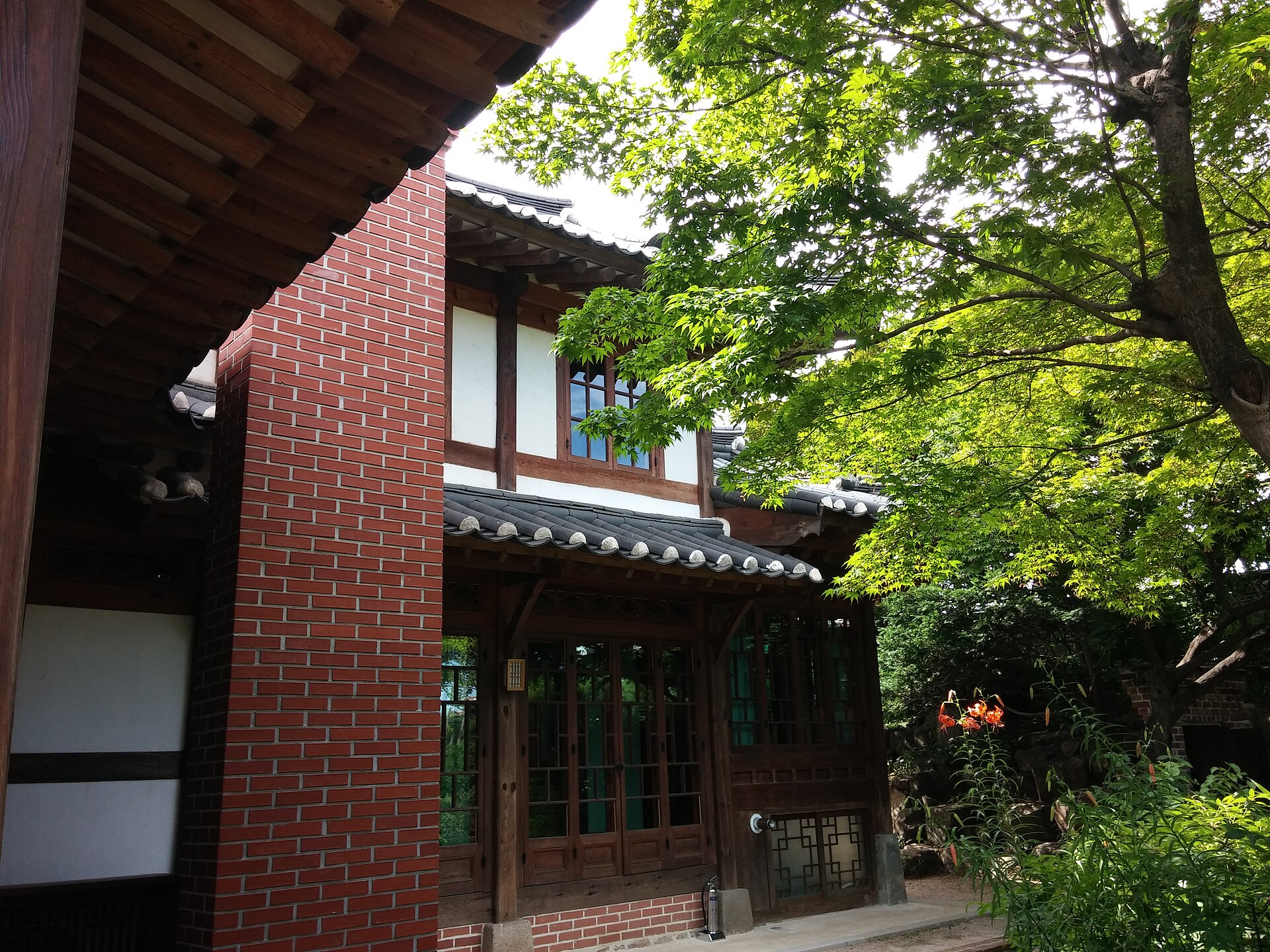
Look for the modern elements inside the traditional outline
The house dates from 1913 and combines a hanok form with features associated with a changing period. Red brick, glass windows and connecting circulation are useful details to examine. They give you something more specific to look for than a tiled roof. Compare how a window frames the garden and how a passage links spaces that might otherwise be imagined as separate buildings.
Do not reduce that mixture to a claim that the entire house represents one pure architectural style. Read the interpretation and connect it to features you can actually see. For a companion who is new to Korean architecture, asking ‘what looks different from the other hanok we saw?’ can open a more useful conversation than a list of technical terms without a visible example.
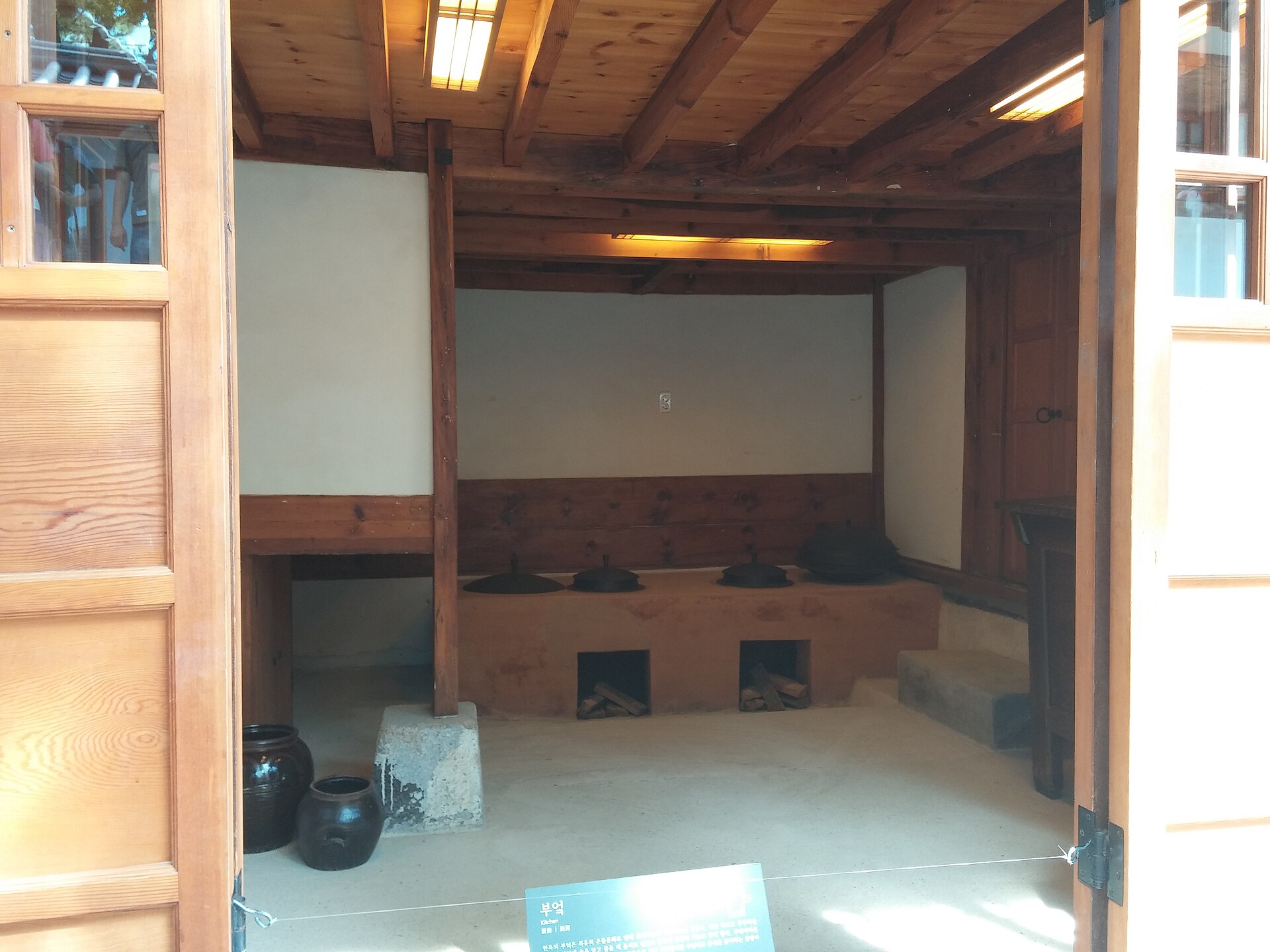
If interiors matter, organize the day around the tour
The official museum information lists guided visits and separate foreign-language arrangements. Check the date, language and available booking before attaching the rest of your Bukchon itinerary. Arriving during general business hours is not the same as securing a place on the specific tour you want. Nor should an old online timetable replace the conditions shown when you make a reservation.
Allow time to reach the entrance before the booked start. If traveling with someone who needs an English explanation, confirm the language explicitly rather than assuming that any guided group will accommodate it. The interior photograph accompanying this section records a view under the conditions of that visit; it is not a promise of present access to every room or permission to cross a barrier.
Separate the building’s name from its entire ownership history
Baek In-je’s family acquired the house in 1944, after earlier owners. Its current name should not lead to the claim that he originally built it. Keep three moments separate: construction, changes of ownership and the later opening as a museum. The distinction makes the layered character of the house easier to understand without inventing a single uninterrupted family story.
Carry the same care into the surrounding neighborhood. An open house museum and a privately occupied hanok are different places even when they share a familiar roofline. Follow the access and photography instructions at each location. The most worthwhile outcome is an understanding of one particular house, not the assumption that every traditional-looking building nearby is another visitor attraction.
Before you go
16 Bukchon-ro 7-gil, Jongno-gu. The museum lists free admission, 09:00–18:00, last entry 17:30, and regular Monday/January 1 closures with a public-holiday exception. Approach from Anguk Station and confirm your tour separately.
Check the venue’s current visitor information before setting out, especially for closures, access and reservations.