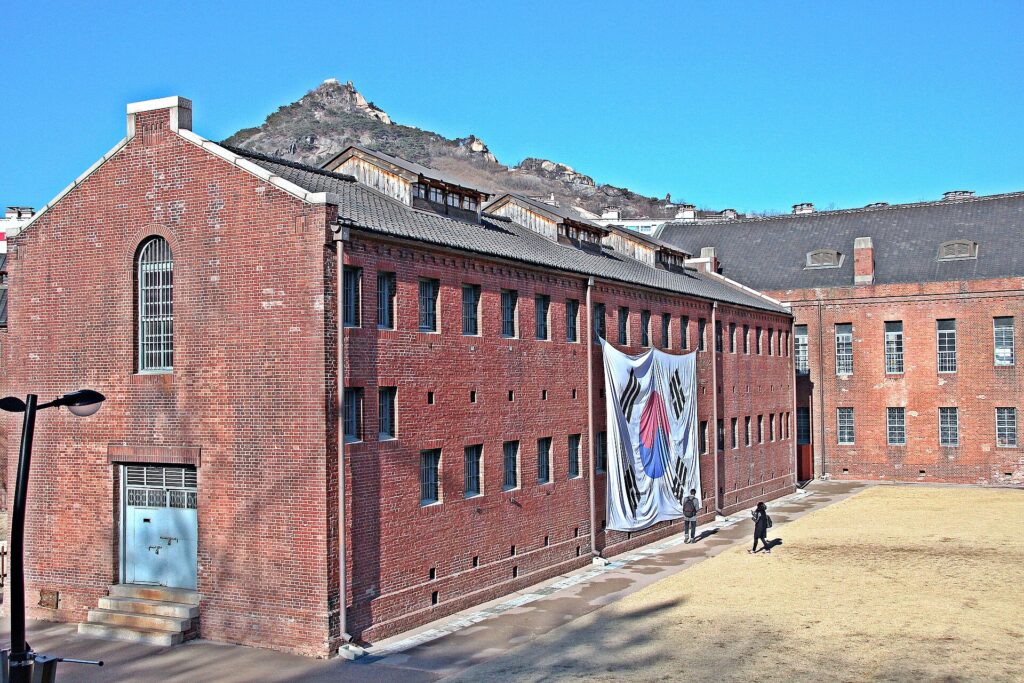
Seodaemun Prison History Hall should not be approached only as a striking red-brick backdrop. Its buildings carry histories of imprisonment and resistance. For a first visit, understanding the sequence of events and the people involved is more valuable than trying to photograph every room.
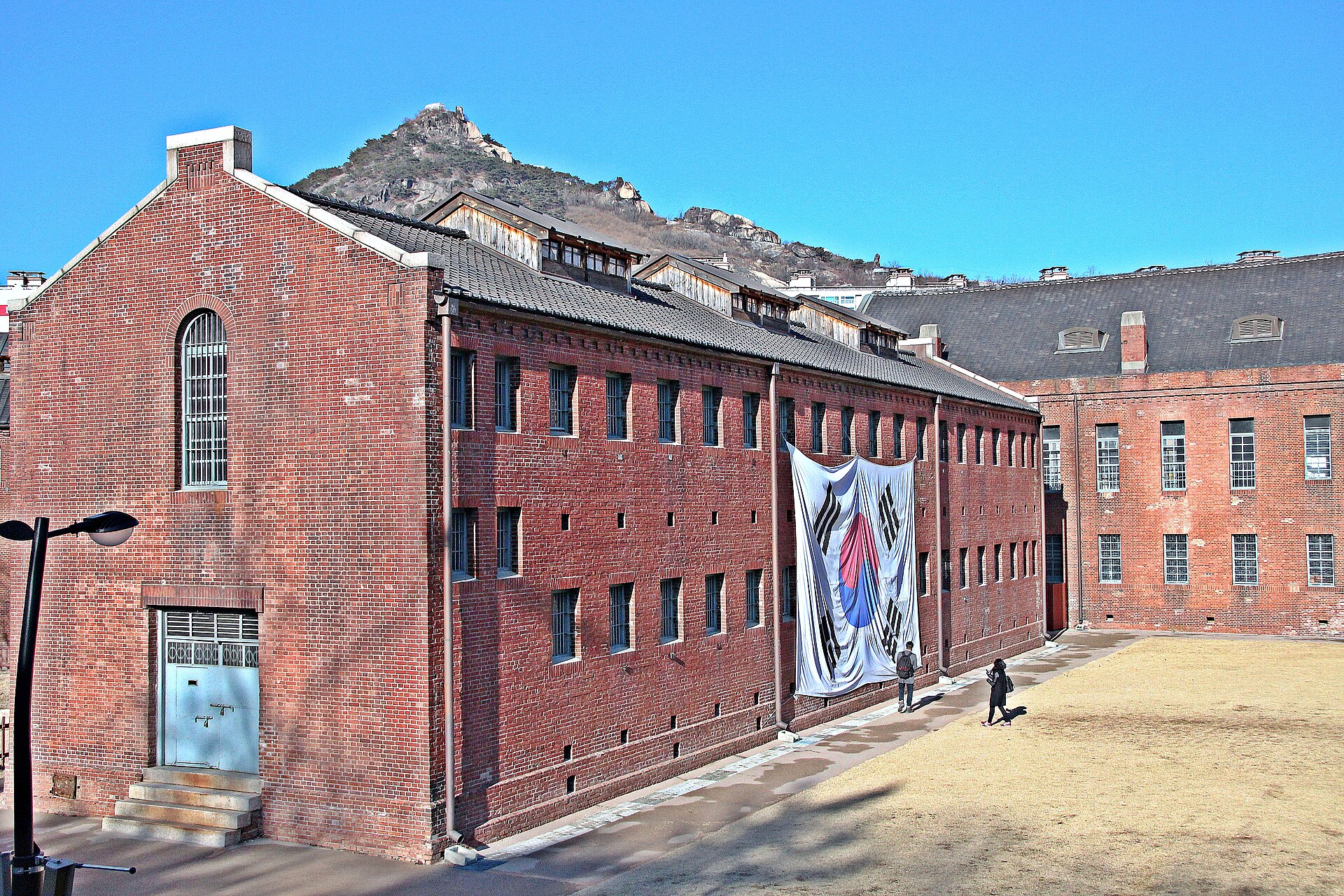
Begin with the timeline, then enter the buildings
The prison held Korean independence activists during Japanese colonial rule, and the site also has a history after liberation under different names. Do not treat every display as if it described one unchanging moment. Start with the introductory chronology and establish which period an exhibition is addressing before attaching its explanation to the structure in front of you.
You do not need to memorize all the dates. Separate the years when the prison operated from the later creation of the history hall. For a younger companion, begin with a person and the reason that person’s story is remembered. That gives difficult material a human context and avoids presenting imprisonment as an abstract architectural feature or a collection of dramatic scenes.
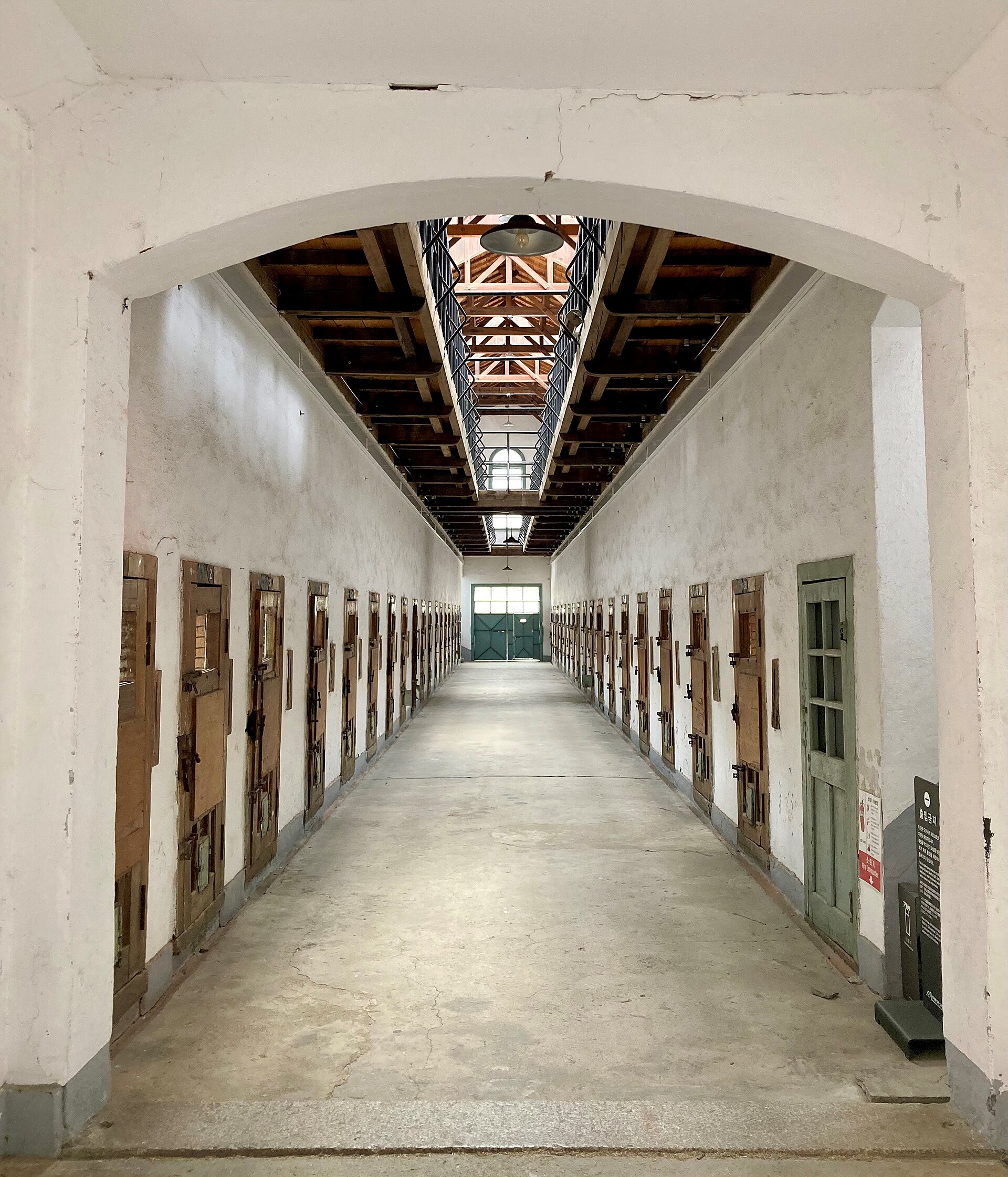
Read the corridor as a system of confinement
The repeating doors and long corridors are visually powerful. Use that first impression to ask about confinement, surveillance and daily conditions, then read the interpretation for the answer. The building becomes more meaningful when its physical arrangement is connected to documented experience. It should not remain a setting emptied of the people who endured it.
Do not identify a particular person’s cell from appearance alone. Connections between individuals and rooms require a label or another reliable record. Likewise, distinguish surviving structure, restored fabric and exhibition reconstruction. A model or staged display can explain history without being an untouched original scene. Keep that distinction in captions and in anything you tell companions afterward.
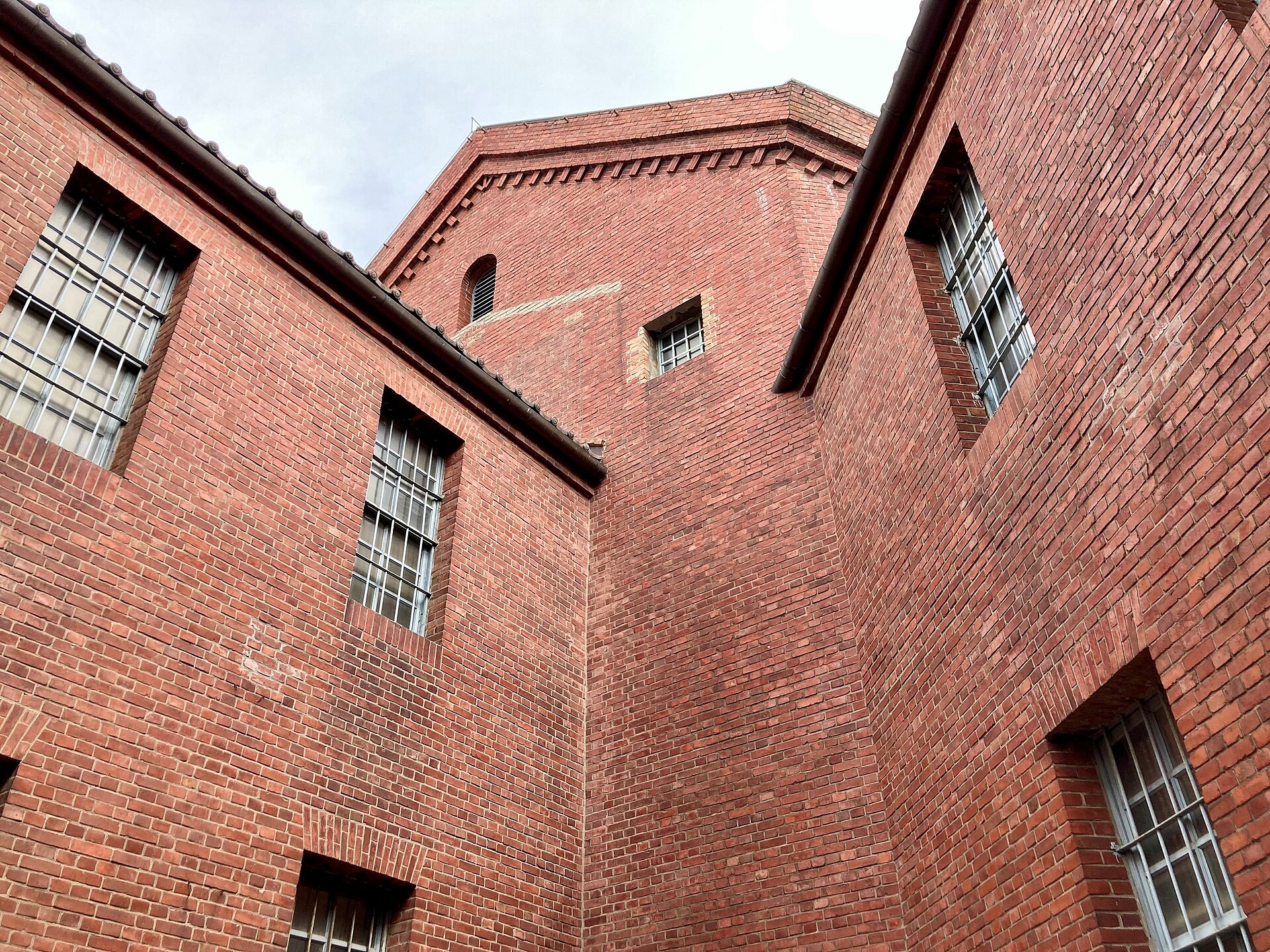
Let companions choose their level of exposure
Material about torture and execution may be distressing. Check the content information before entering a difficult section, particularly with children. Completing every room is not a test of seriousness. Someone can step outside or skip a display while still engaging thoughtfully with the history. Plan enough flexibility that this decision does not become a conflict over the itinerary.
Avoid turning reconstructions into a challenge to be endured or a setting for playful photographs. A quieter method is to note one question and discuss it later, away from the display. If you cannot answer it from the museum’s explanation, leave it as a question rather than inventing a vivid story. Respectful attention is more useful than an emotionally dramatic but inaccurate account.
Leave time to reflect after the exhibition
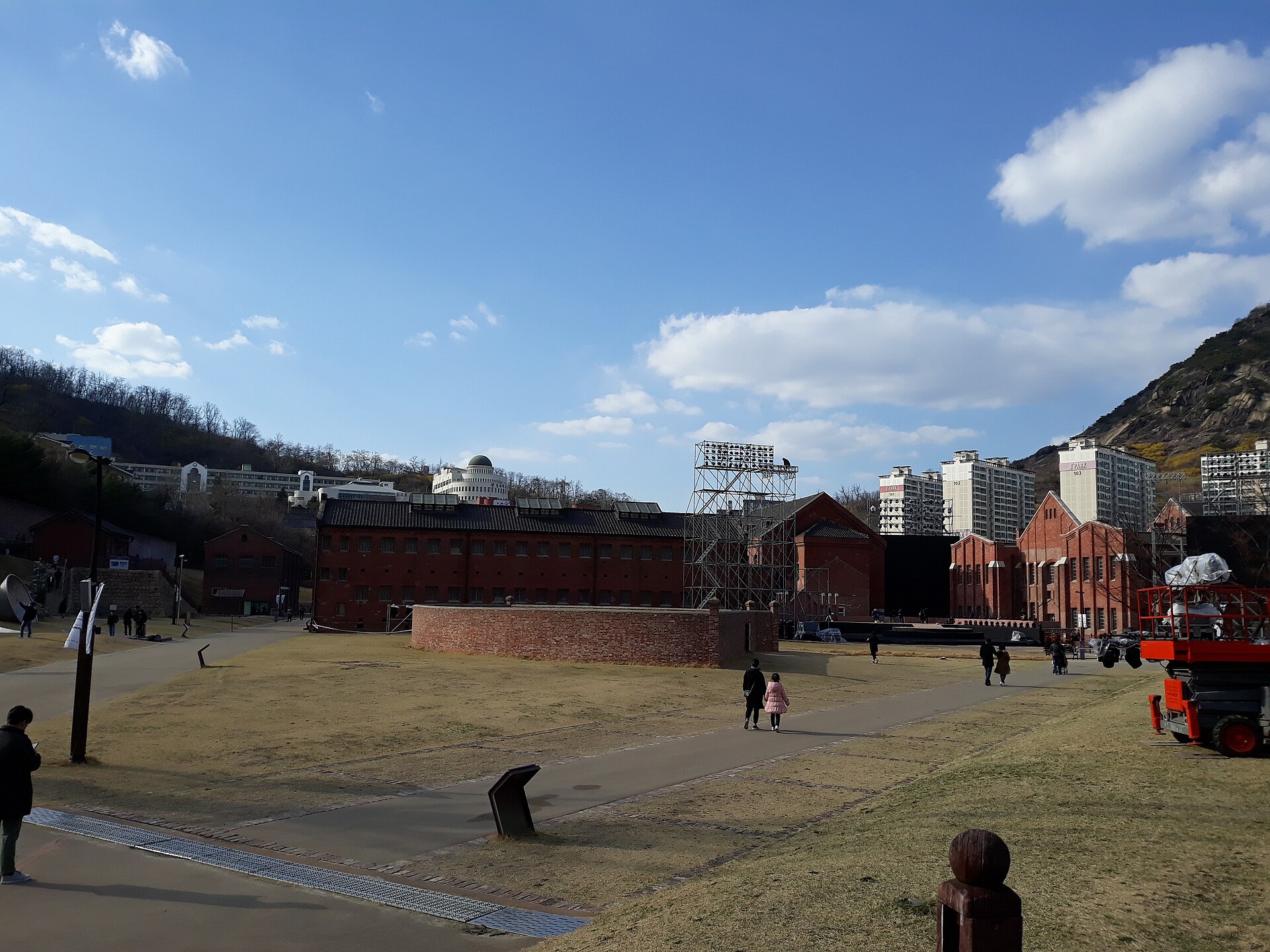
The surrounding Independence Park can give the visit a less compressed ending, but an outdoor park’s accessibility is not evidence that the history hall’s galleries remain open. Check museum admission and closing information separately. Arriving near closing and rushing through the most difficult rooms is unlikely to improve either understanding or the experience for your companions.
Before leaving, choose one person, object or unanswered question to remember. This is a more productive measure of the visit than the number of photographs taken. Search results may also surface old restoration notices; their dates matter, and an expired notice is not proof of a current closure. Check the operator’s current announcement rather than carrying an old restriction into a new itinerary.
Before you go
251 Tongil-ro, Seodaemun-gu; approach from Dongnimmun Station, Line 3, Exit 5. The tourism listing gives March–October 09:30–18:00, November–February 09:30–17:00, regular Monday and major-holiday closures, and a standard adult price of KRW 3,000. Confirm current admission conditions with the operator.
Check the venue’s current visitor information before setting out, especially for closures, access and reservations.