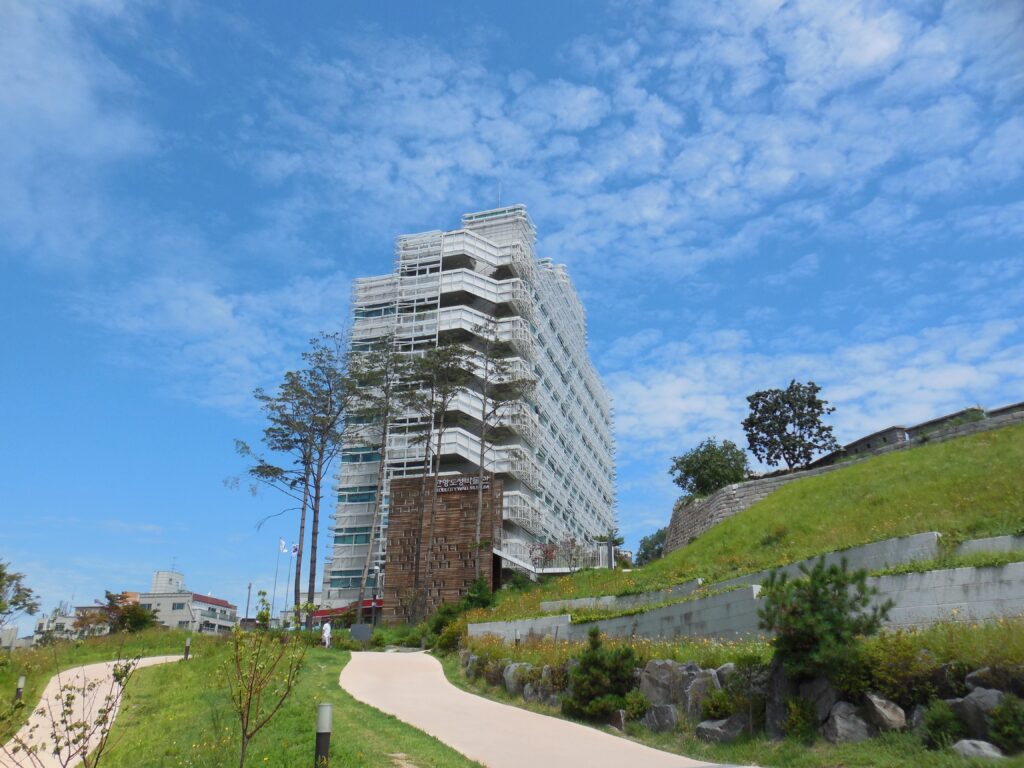
A walk beside Seoul’s city wall can leave you with a good skyline photograph and surprisingly little sense of what the wall did. Start at the Seoul City Wall Museum if you want the stones to mean something before you head uphill. The useful choice is not whether to complete a long circuit. It is whether you want an indoor history visit, a short look outside, or a separate Naksan walk afterward.
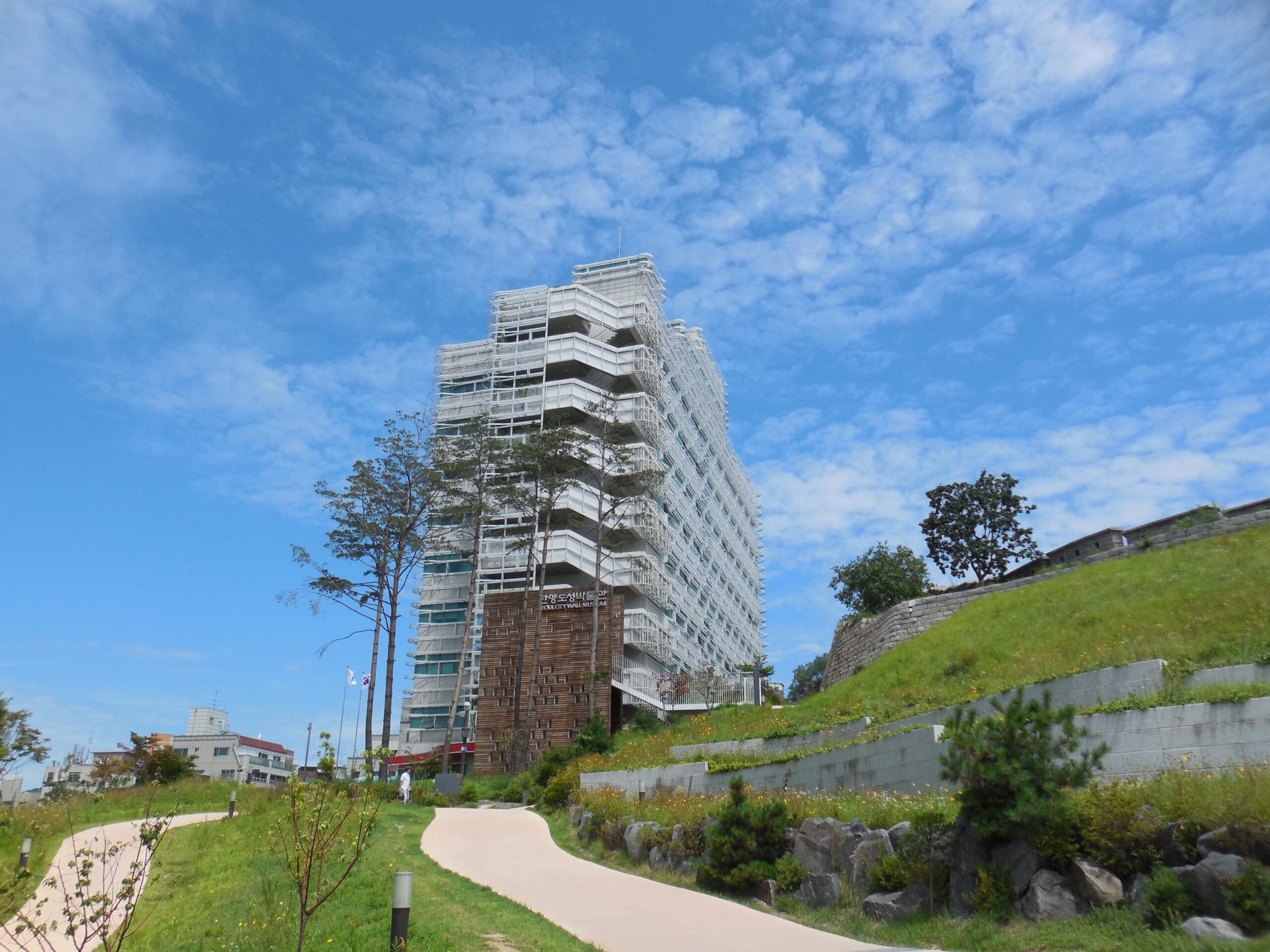
For October 5, check the building name as well as the date
The museum’s October 2026 holiday notice makes a distinction worth saving: Seoul City Wall Museum opens on Monday, October 5, the substitute National Foundation Day holiday. Dongdaemun History Museum and Dongdaemun Stadium Memorial close that day. All three are listed as open on October 9.
Those are separate destinations, even though their notices appear together. If you are building a holiday itinerary from several tabs, put the museum name beside each opening time. A Monday exception at one building does not establish an exception at the next. For dates beyond this holiday, return to the normal timetable and any newer notice.
Use three questions to turn the exhibition into a walk
The first exhibition theme explains the wall as the boundary of the Joseon capital, built in 1396. Ask what changes when a city has a physical inside and outside. In the construction and management section, shift your attention from the finished monument to the work behind it: patrols checked the walls, repairs followed damage, and gate-opening times structured daily life.
Then take the damage-and-rebirth theme seriously. Modern development and Japanese colonial rule removed or damaged parts of the wall; preservation and restoration gave it another role. The museum’s account of that transformation is a reason to avoid treating every stone outside as untouched medieval fabric. Look for a site label that explains a section’s history before guessing its age from its appearance.
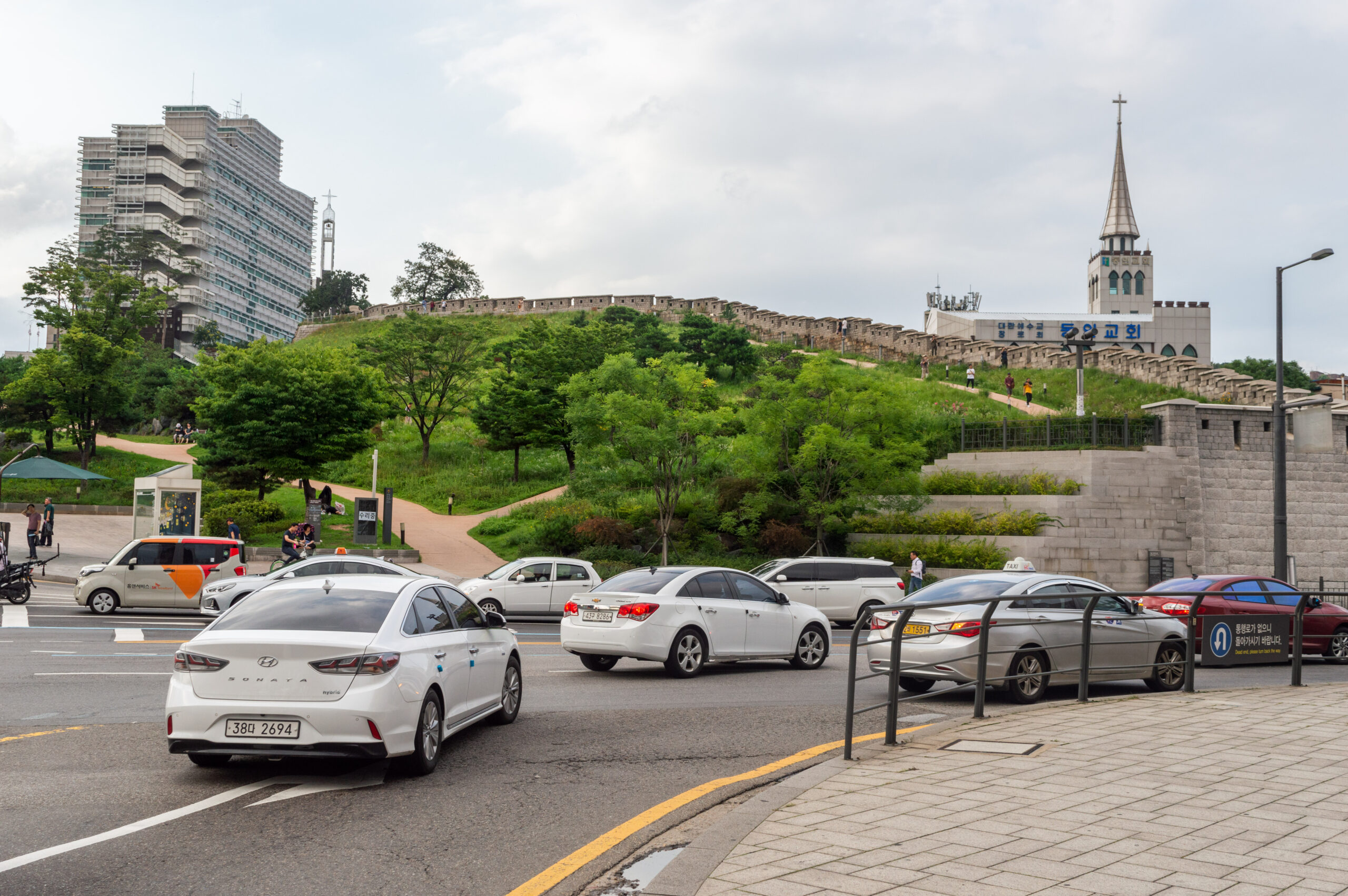
Choose the museum first if your time or energy is limited
For a history-focused visit, make the exhibition the main appointment and leave the outdoor section optional. If the weather turns or someone is tired, you can finish after the museum without treating the day as an incomplete hike. If walking is the priority, use the museum to identify one detail to look for outside, then decide how far to continue once you see conditions.
This is a suggested way to divide the visit, not a timed route tested on foot. Avoid booking another activity on the assumption that the museum and a Naksan climb fit into a fixed hour. The outdoor slope, your return route and the indoor closing time are different constraints.
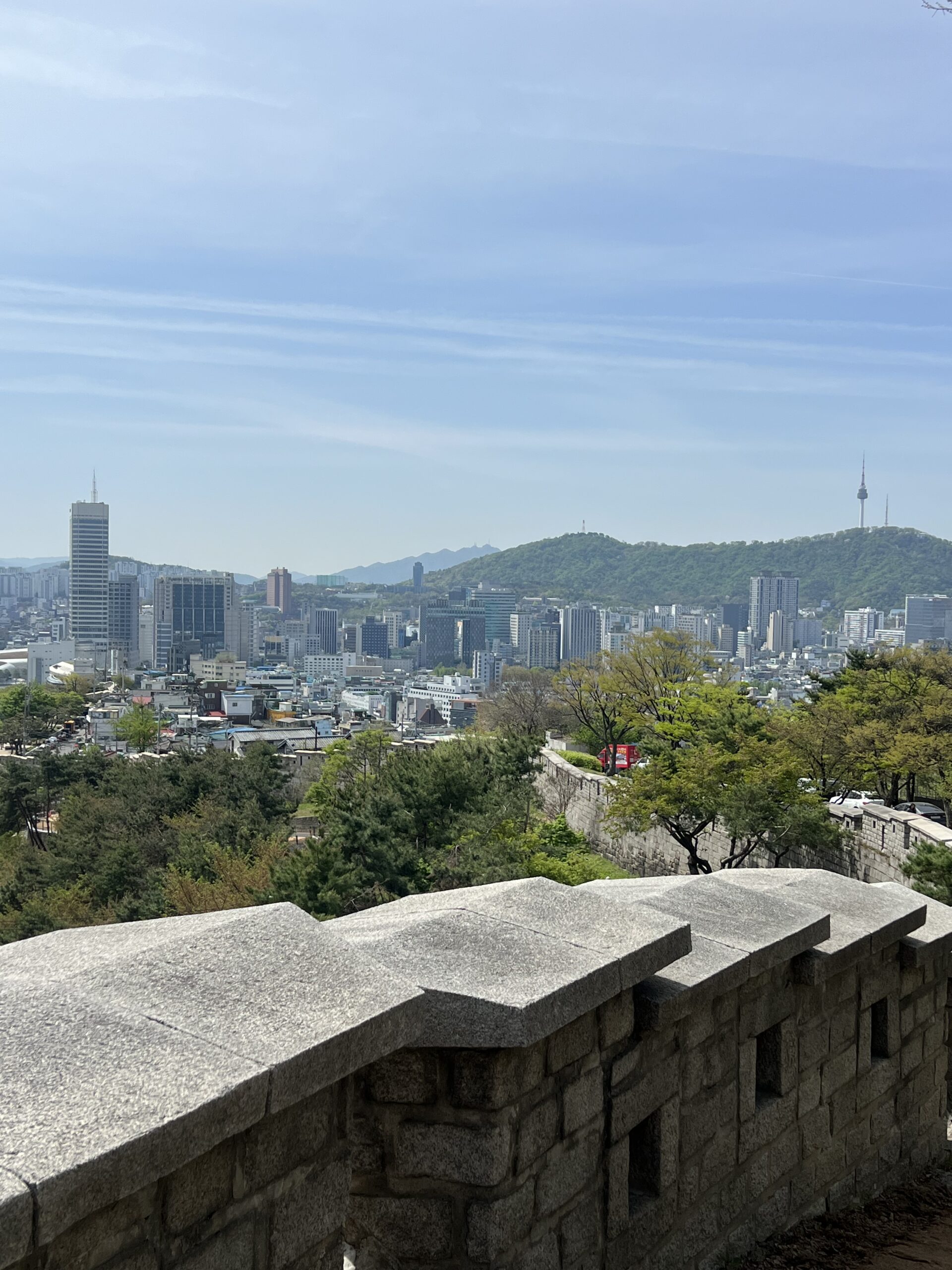
Save the right entrance details before leaving
The destination is 283 Yulgok-ro, Jongno-gu, floors 1–3. The museum’s directions suggest Dongdaemun Station, Lines 1 or 4, Exit 1 or 10, with an estimated five-minute walk. Do not substitute Dongdaemun History & Culture Park Station just because its name sounds more museum-like.
Normal admission hours are 09:00–18:00, with entry ending at 17:30; admission is free. Mondays and January 1 are closure days, subject to the stated public-holiday exception. These are the museum’s hours, not opening times for the entire city-wall route. For the October holiday exception or a visit affected by weather, check the latest notice before setting out. Information checked October 3, 2026.