Institutional Origins and Location
The museum was established on March 30, 2012, and is situated at 03141 Seoul, Jongno-gu, Sejong-daero 198. It functions as the first national museum dedicated to the comprehensive and systematic presentation of South Korea's history from the late 19th-century opening period to the present day. The institution collects, preserves, and exhibits materials related to major historical turning points and events in modern Korean history.
Permanent Exhibition Structure
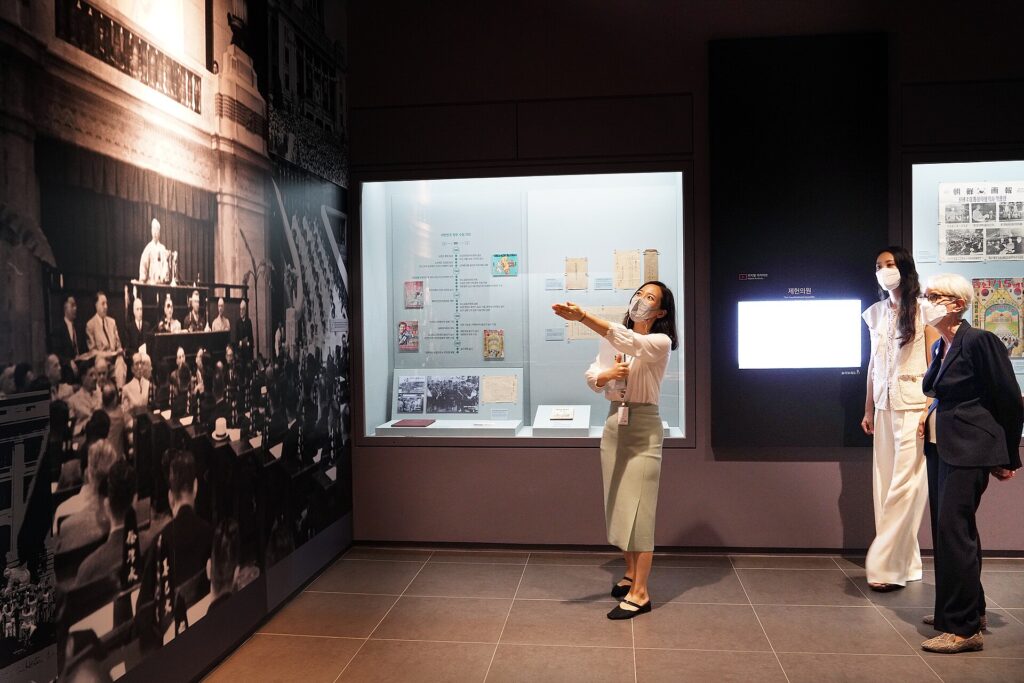
The permanent displays are divided into four exhibition rooms that organize the nation's history by era. The first room covers 'The Birth of South Korea' from 1876 to 1948, while the second addresses 'Establishing the Foundation of South Korea' from 1948 to 1961. The third room focuses on 'Growth and Development' between 1961 and 1987, and the fourth explores 'Advancement and Leap into the World' starting in 1987.
Key Artifacts and Collections
Approximately 1,500 items are displayed across the four permanent rooms, including the 3.1 Independence Declaration and materials related to democratic movements. The museum's total collection has grown to approximately 172,000 items as of 2024 through continuous acquisition since 2010. Notable holdings include a national designated cultural heritage item written by Ahn Jung-geun in March 1910 while imprisoned at the Lüshun Prison.
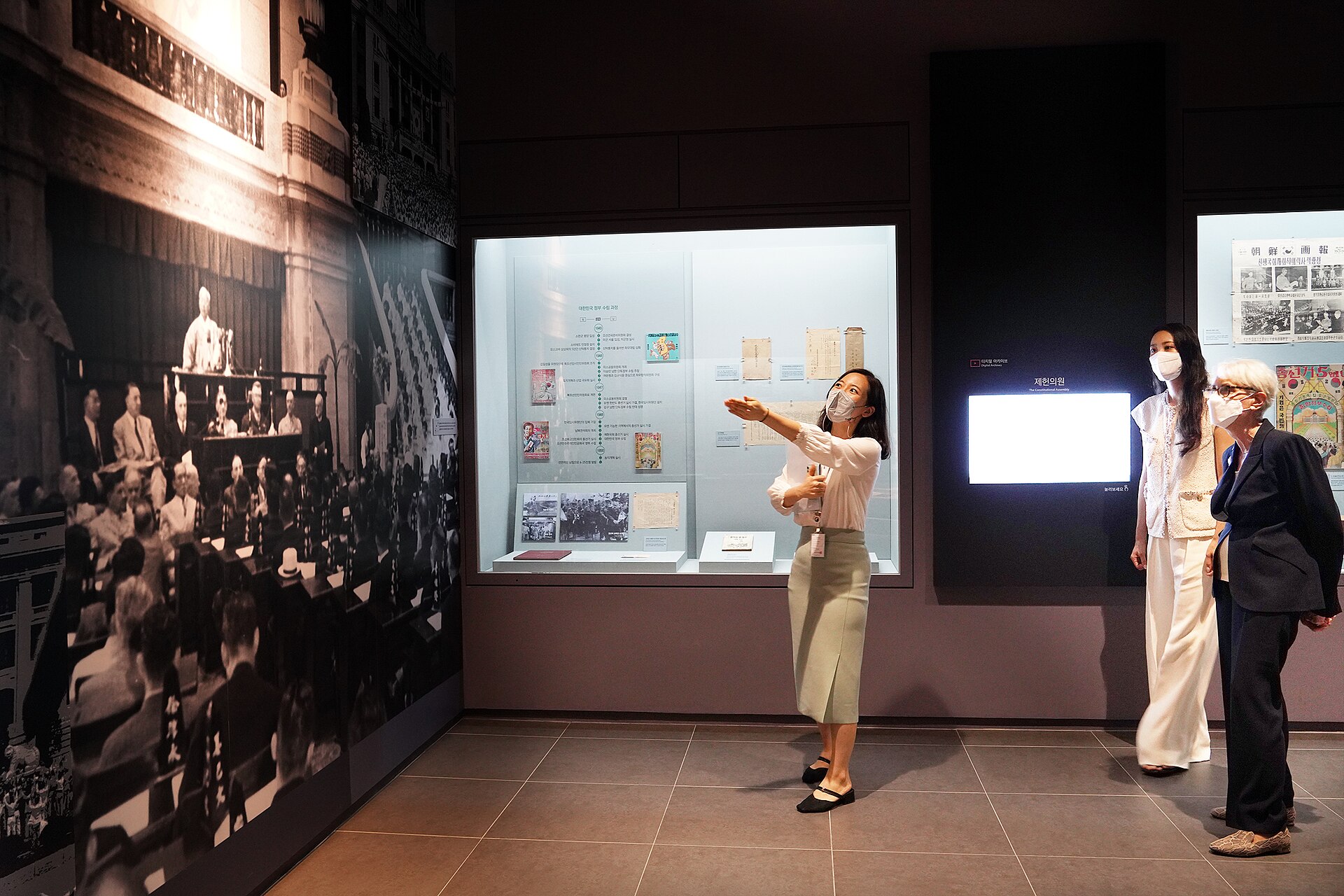
Photo: U.S. Department of State from United States
Educational and Special Programs
Beyond permanent displays, the museum hosts special exhibitions on various themes to provide in-depth analysis of modern history. An 'Children's Museum' section allows young visitors to learn through direct experience with historical topics. The institution also operates diverse educational programs and cultural events for the public.
Facility Layout and Accessibility
The building features a rooftop garden (옥상정원) on the eighth floor, while the fourth floor includes a 'Malang Malang Modern History Playground' (말랑말랑 현대사 놀이터). The third floor contains thematic halls, a donation hall, and special exhibition spaces. Visitors can access these areas via elevators, escalators, or stairs, with restrooms available on multiple levels.
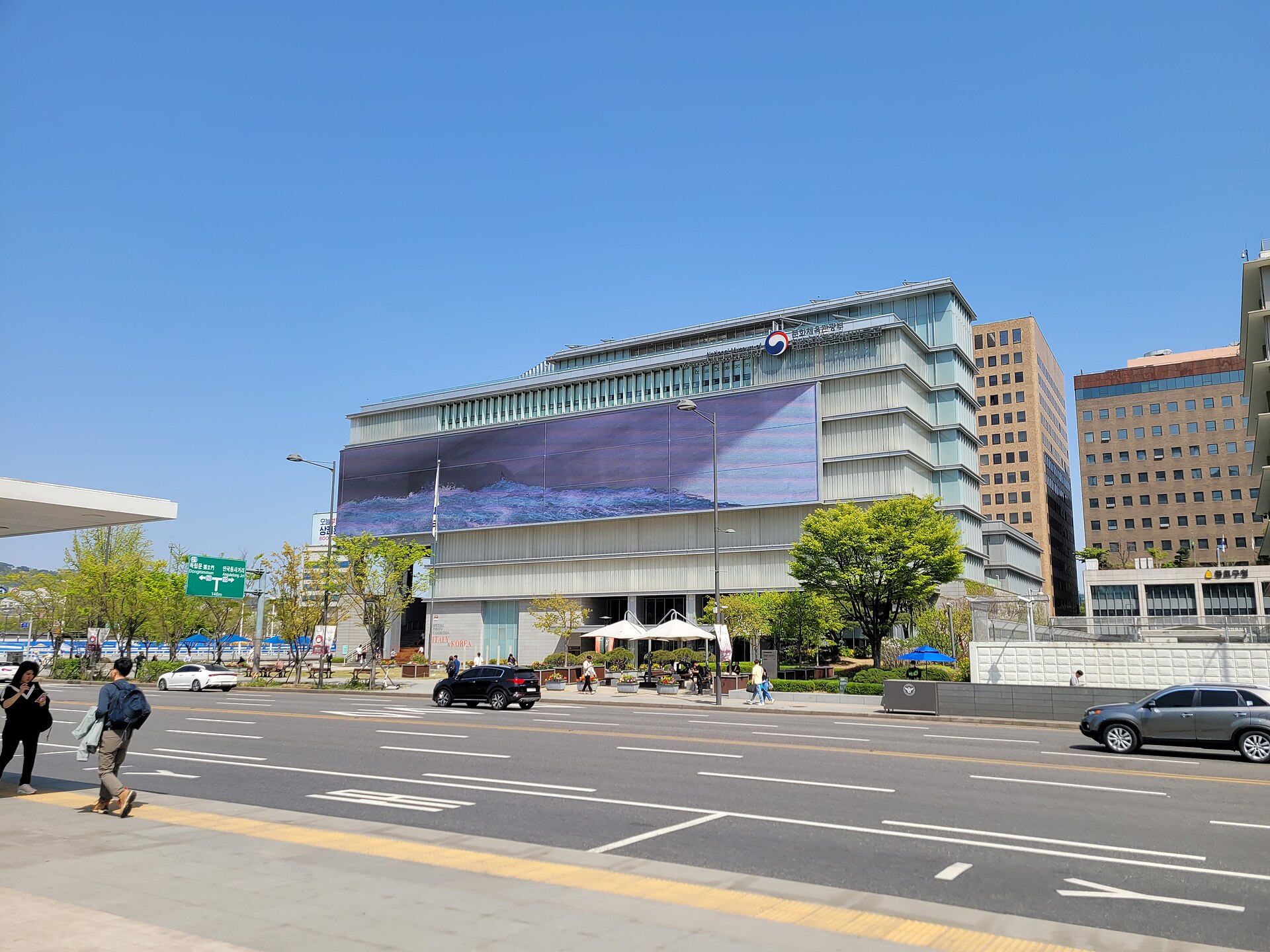
Photo: YellowTurtle9 · CC BY-SA 4.0
Practical Access Details
The museum is located near Gwanghwamun Station (Line 5, Exit 2) at approximately 250m, Gyeongbokgung Station (Line 3, Exit 6) at about 500m, Anguk Station (Line 3, Exit 6) at roughly 800m, and Jonggak Station (Line 1, Exits 1 or 2) at around 900m. The on-site parking lot accommodates only 10 vehicles, so public transportation is recommended. Bus stops nearby include Sejong Cultural Center, KT Gwanghwamun Branch, and Gyeongbokgung.