Namsangol rewards a small question more than a long checklist. Instead of photographing every tiled roof, use the houses to examine how a household might move, work and control its view. This is a suggested observation route, not a claim that every interior is open.
Start with the work behind the pretty roof
The village brings together five relocated Joseon-era houses from different parts of Seoul. They should not be read as one large family compound. At the entrance, identify the individual house names on the layout before comparing them. That simple step prevents a surprisingly easy misunderstanding: assuming that every courtyard belonged to the same household or served the same social role.
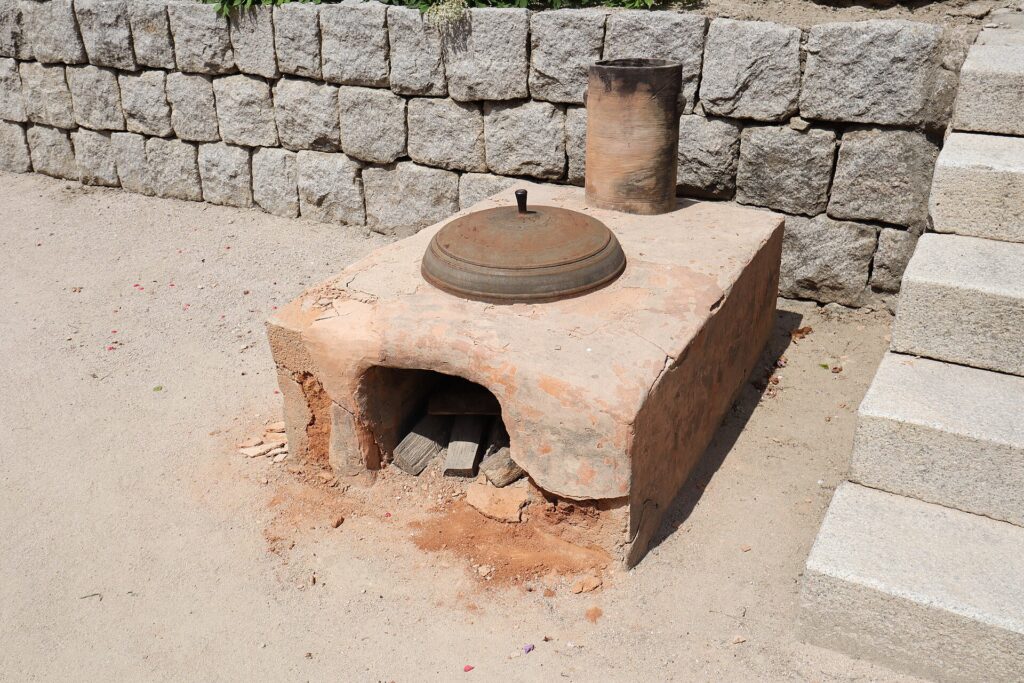
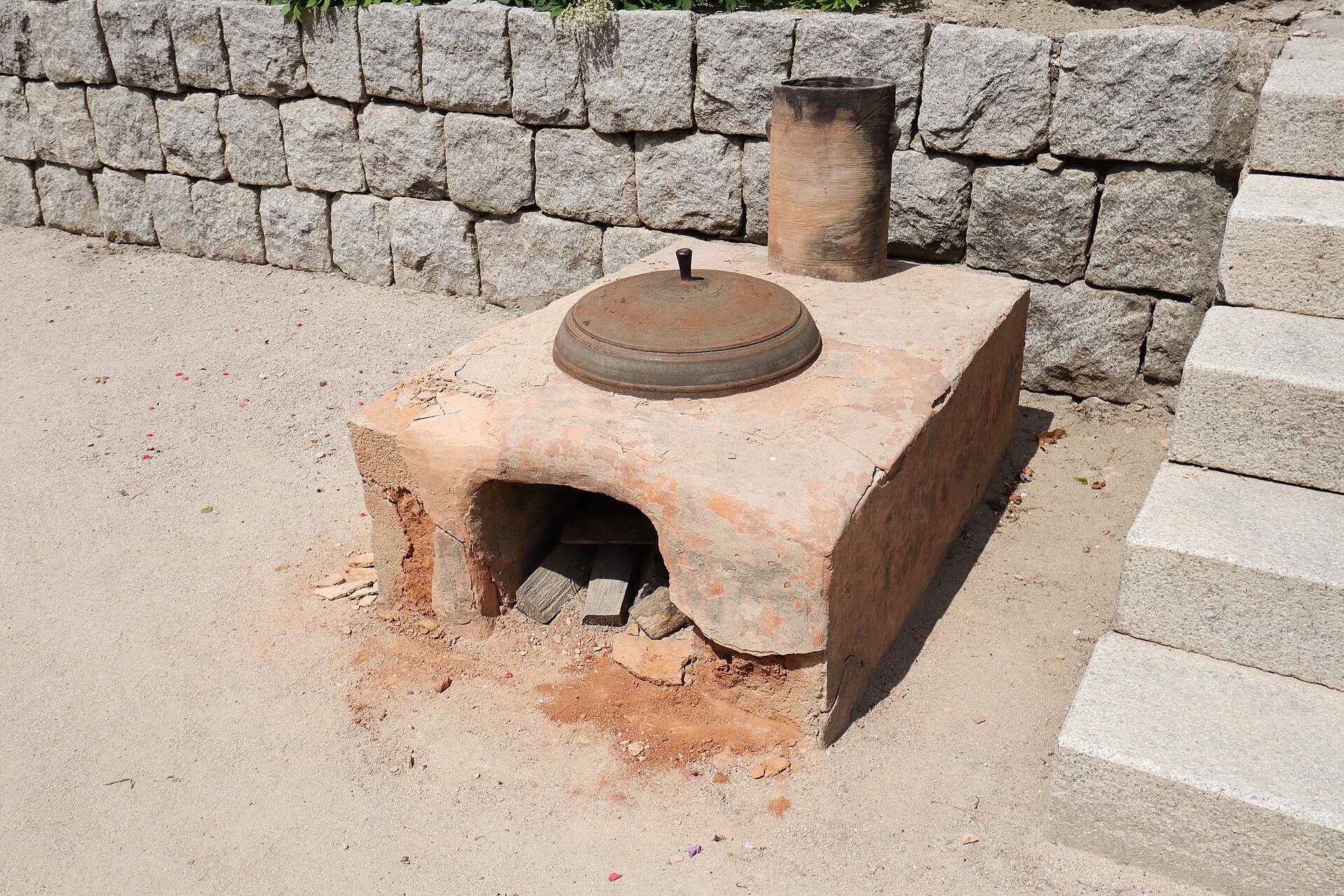
Look at a hearth or other domestic feature before taking the wide photograph. Ask what work would have happened around it and where someone carrying food would move next. Treat that as an observation exercise, not proof of a historical routine. Use the house’s interpretation panel to distinguish documented reconstruction from your own reasonable but unconfirmed impression.
Read the courtyard as a route
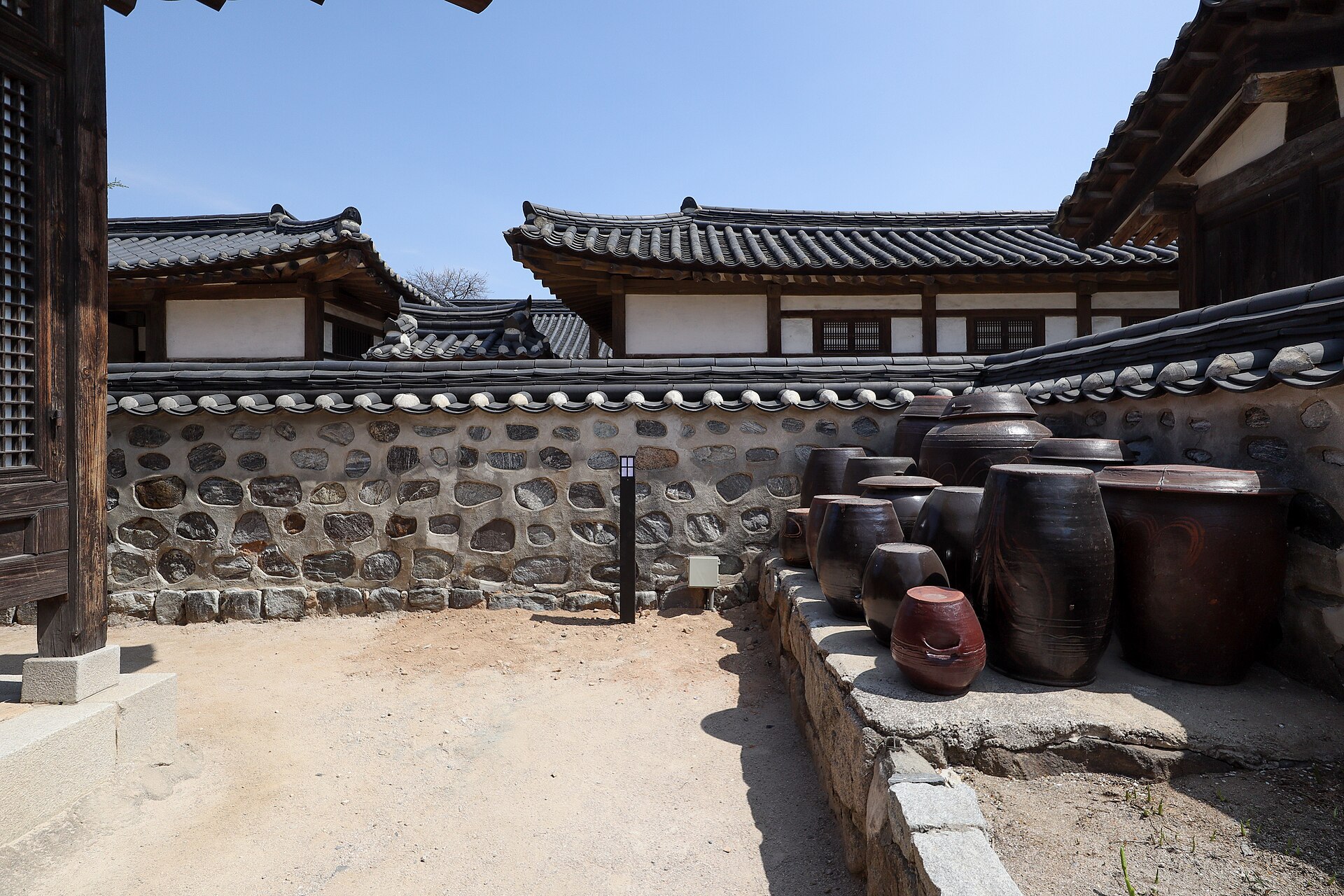
Move your attention from rooflines to entrances. Which doorway can be seen from the yard? Where does a wall interrupt the view? Comparing two houses with the same question makes differences easier to notice than trying to memorize a list of architectural terms. The useful souvenir is a contrast you can explain, rather than five almost identical roof photographs.
Keep the comparison within the visitor route. An open-looking door is not necessarily an invitation to enter a room, and a raised threshold should not become a photo platform. If a room is closed, use the visible arrangement and the interpretation panel. You can learn how spaces connect without needing to step into every space yourself.
Choose one framed view, then change position
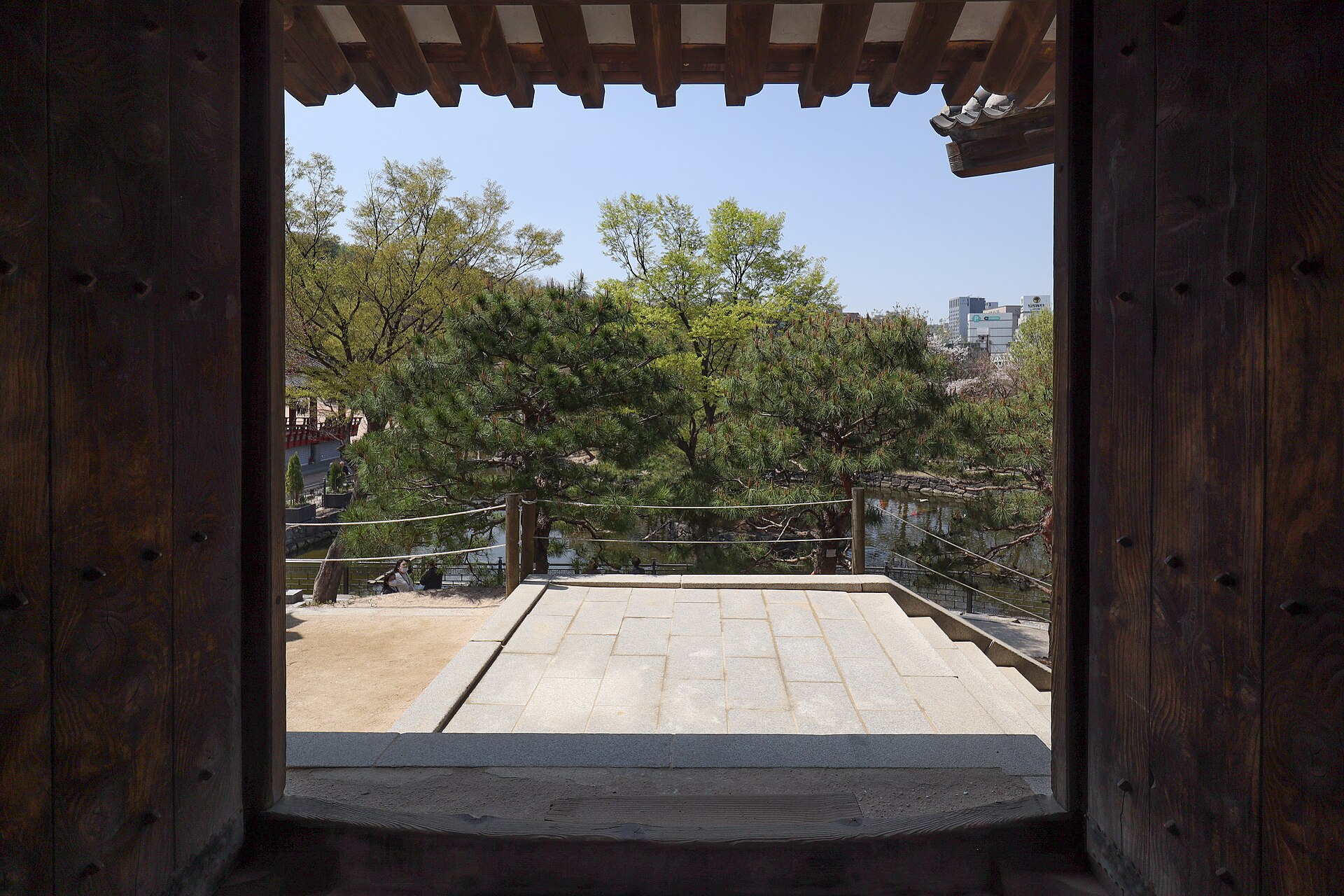
After taking a courtyard view, look through a permitted doorway or beneath an eave. Notice how the frame includes a tree while hiding part of the neighboring structure. Then change your position and compare. This makes the relationship between a building and its outdoor space more concrete than the broad description ‘traditional Korean house.’
For a short visit, choose two houses and one garden pause rather than racing around all five. There is no need to turn a compact stop near Chungmuro into an architectural exam. If traveling with a child, ask them to choose the view they would want from a room, then explain what they selected and what the frame leaves outside.
Separate a house visit from a performance booking
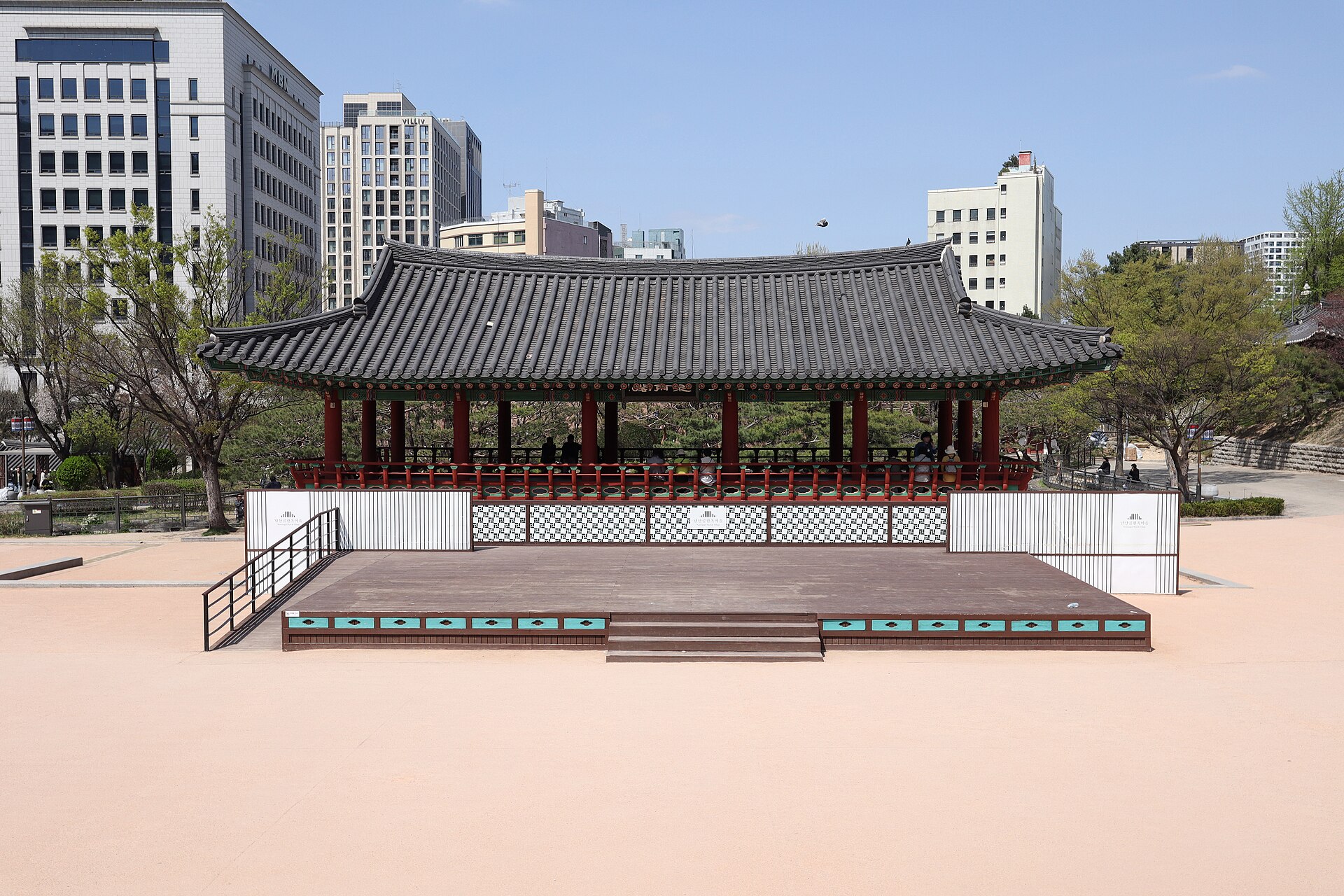
The cultural village and the Namsan Gukakdang performance venue belong to the same wider outing, but a site opening time is not a concert timetable. Check the named activity separately if music, a workshop or a traditional experience is your main reason for coming. Do not build the day around a performance merely because a tourism page lists performances among the attractions.
For the house-focused visit, the official guide lists free admission and seasonal opening hours, with a regular Monday closure. Garden access and house access are different matters. Check the current notice before departure, especially around holidays. The photographs here document the place at their recorded capture times; they do not promise a particular ceremony, floral display or interior opening on your date.
Before you go
28 Toegye-ro 34-gil, Jung-gu. The official listing gives April–October 09:00–21:00 and November–March 09:00–20:00; normally closed Mondays, with holiday exceptions. Use Chungmuro Station (Lines 3 and 4) and check the entrance route on your map.
Check the venue’s current visitor information before setting out, especially for closures, access and reservations.