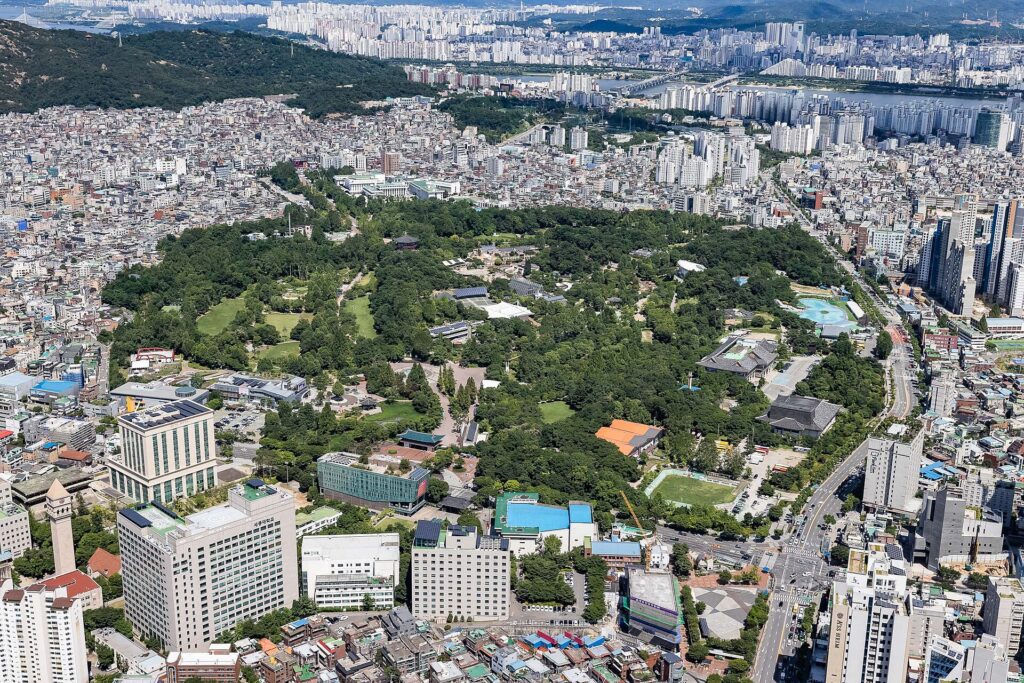
The easiest way to misplan a family outing at Seoul Children’s Grand Park is to use the park’s opening hours for every attraction inside it. Decide whether the priority is animals, rides or a walk, then check the timetable for that particular activity.
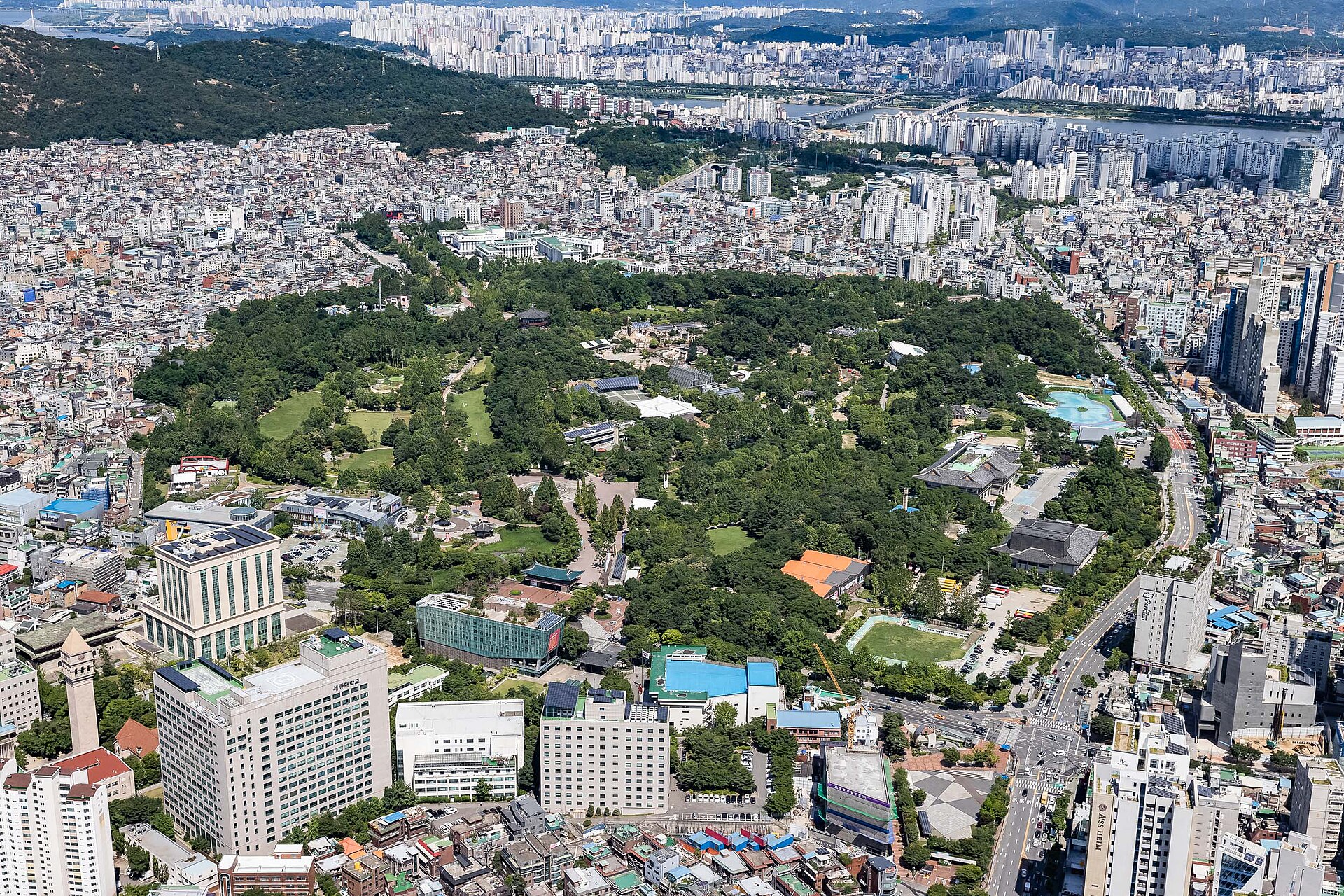
Confirm that you mean the park in Gwangjin-gu
This article concerns Seoul Children’s Grand Park at 216 Neungdong-ro, not Seoul Grand Park in Gwacheon. Dropping the word ‘Children’s’ can send a map search toward a different destination. Share the full name and address with companions before choosing transport. It is a small check that can prevent a much larger correction later in the day.
The site contains different kinds of facilities, including a zoo and amusement areas. Ask what the children most want to do and choose the arrival point around that priority. A large park’s name is not a sufficiently precise meeting place. Agree on an entrance or another clearly identifiable point so that the first part of the visit is not spent looking for the rest of the group.
Put the zoo into the daytime portion of the plan
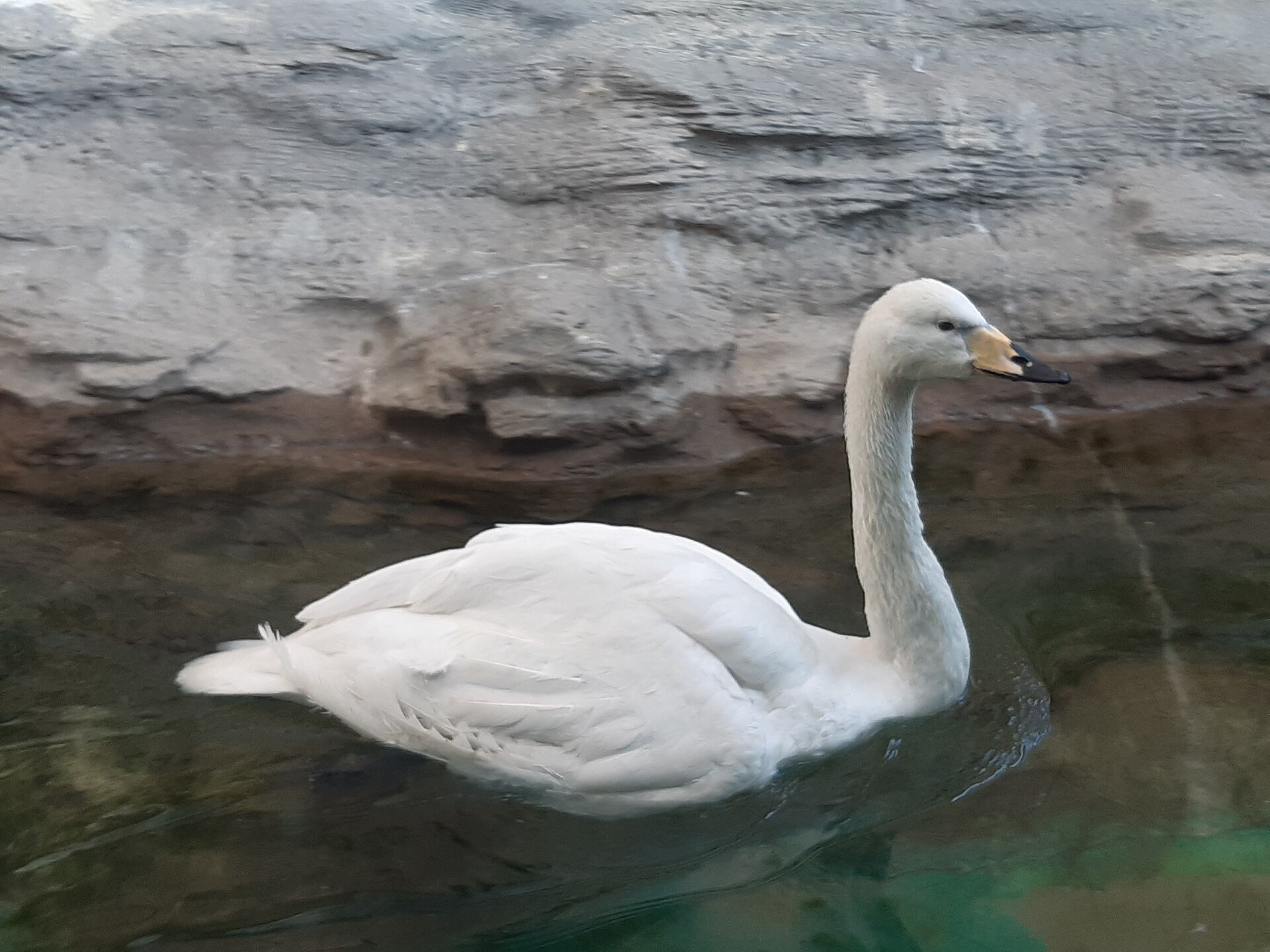
VISITKOREA lists the park at 05:00–22:00 and the zoo at 10:00–17:00. Those are distinct schedules. An evening arrival may suit a park walk without providing the animal visit a child expects. Confirm current facility notices before departure, especially if seeing the zoo is the reason you chose this destination rather than another nearby green space.
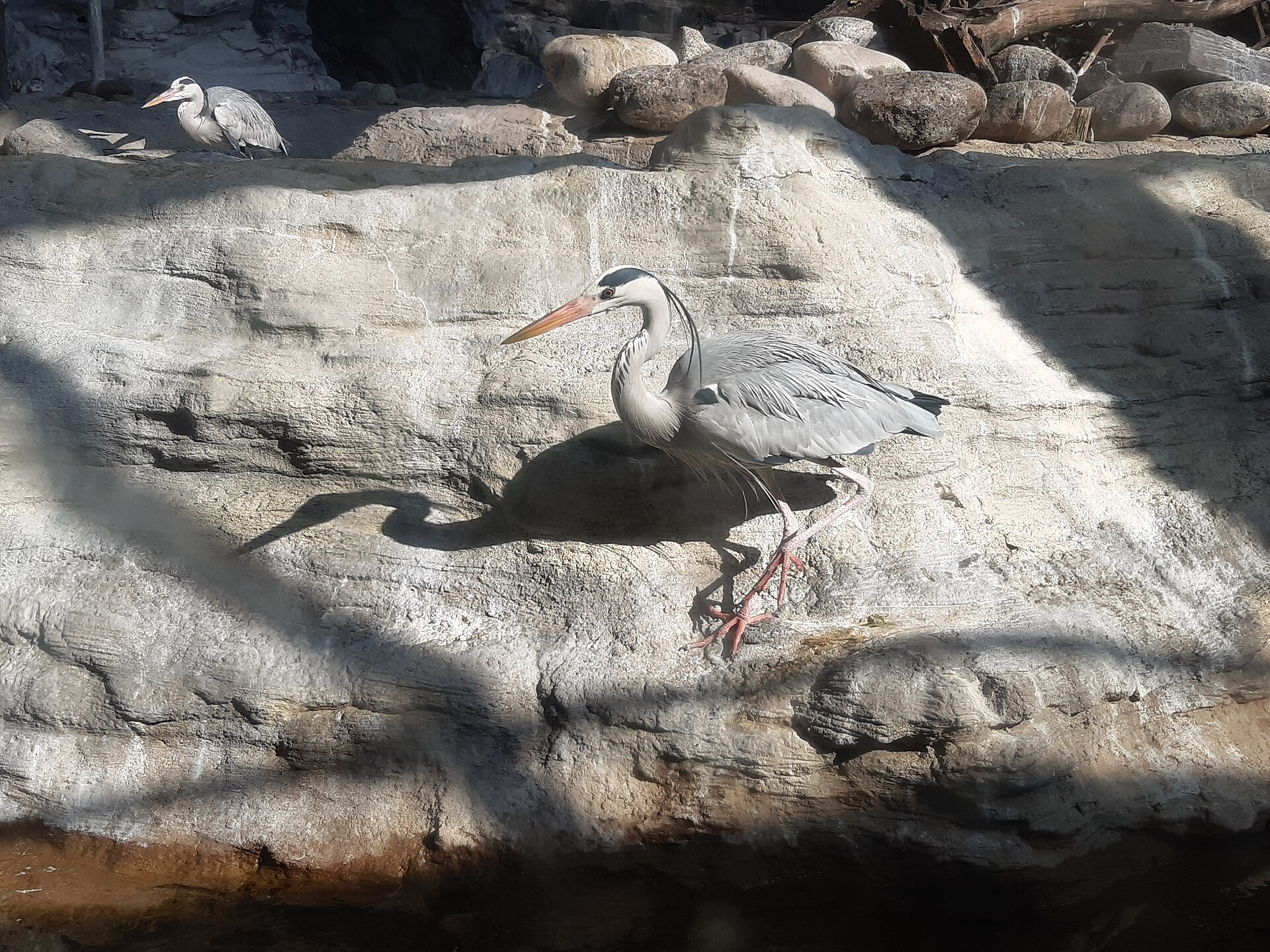
Avoid promising a particular animal merely because it appears in an online photograph. Management and animal-care conditions can affect what is visible. The bird photographs in this article are records of earlier visits, not a verified inventory of the zoo today. Present the outing as a chance to observe animals rather than a guarantee of one specific sighting or behavior.
Observe one behavior before moving to the next enclosure
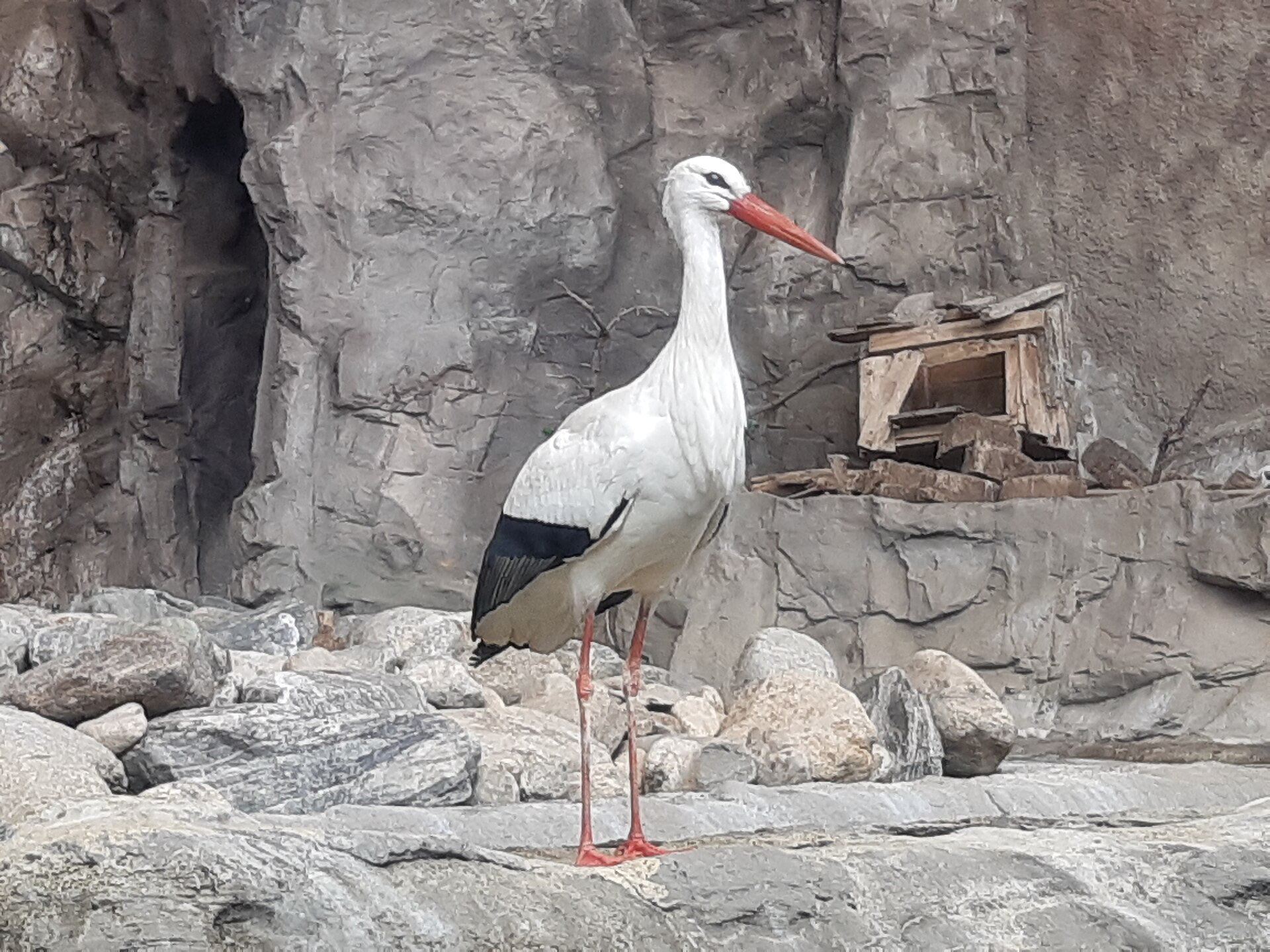
Instead of rushing to take a picture at each stop, watch one small action: how a bird walks, rests or moves between water and land. Describe what you can actually see. This gives children something to notice without inventing an explanation of the animal’s feelings. ‘It is standing on one leg’ is an observation; a confident story about why it is bored or happy may not be.
Do not tap on barriers or offer food to provoke a response. Resting is part of an animal’s day, and a quiet enclosure does not need to be made more entertaining by a visitor. If the children are too tired to watch calmly, take a break before extending the route. More enclosures will not necessarily produce a better experience at that point.
Budget rides separately from a free park entrance
Free park admission does not establish that every ride, activity or program is free. If an amusement attraction is central to the outing, check its own price, operating conditions and any participation restrictions. Keep that information separate from the general park listing so you can change the walking portion without confusing it with a paid or timed commitment.
Choose one essential activity and one optional addition rather than trying to use every facility. After a satisfying zoo visit, a short walk may be enough. Pick the exit and onward transport before everyone becomes tired, particularly if they are on the opposite side from the arrival point. A day remembered for one engaging observation can be more successful than a long checklist completed in a hurry.
Before you go
216 Neungdong-ro, Gwangjin-gu. The official tourism listing separates park hours (05:00–22:00) from zoo hours (10:00–17:00) and lists free park entry. Check the operator for facility changes, paid activities and current visitor instructions.
Check the venue’s current visitor information before setting out, especially for closures, access and reservations.