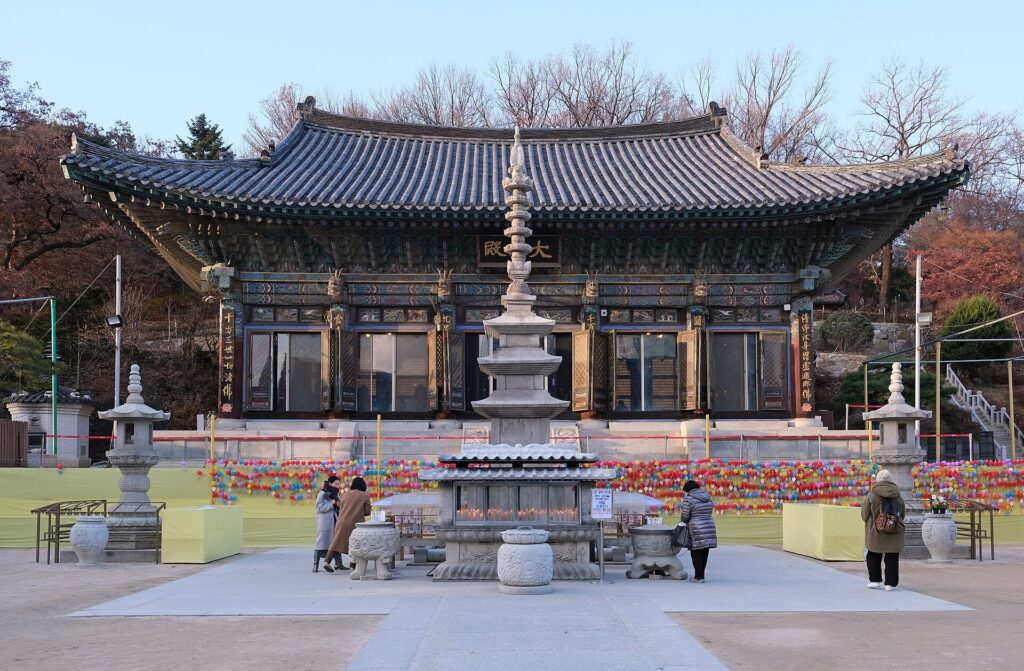
A spare interval near COEX can be enough for a modest visit to Bongeunsa. It is not automatically enough for a temple programme. Decide which experience you want before planning your arrival, then remember that the site is a working religious space rather than a backdrop arranged around visitor photographs.
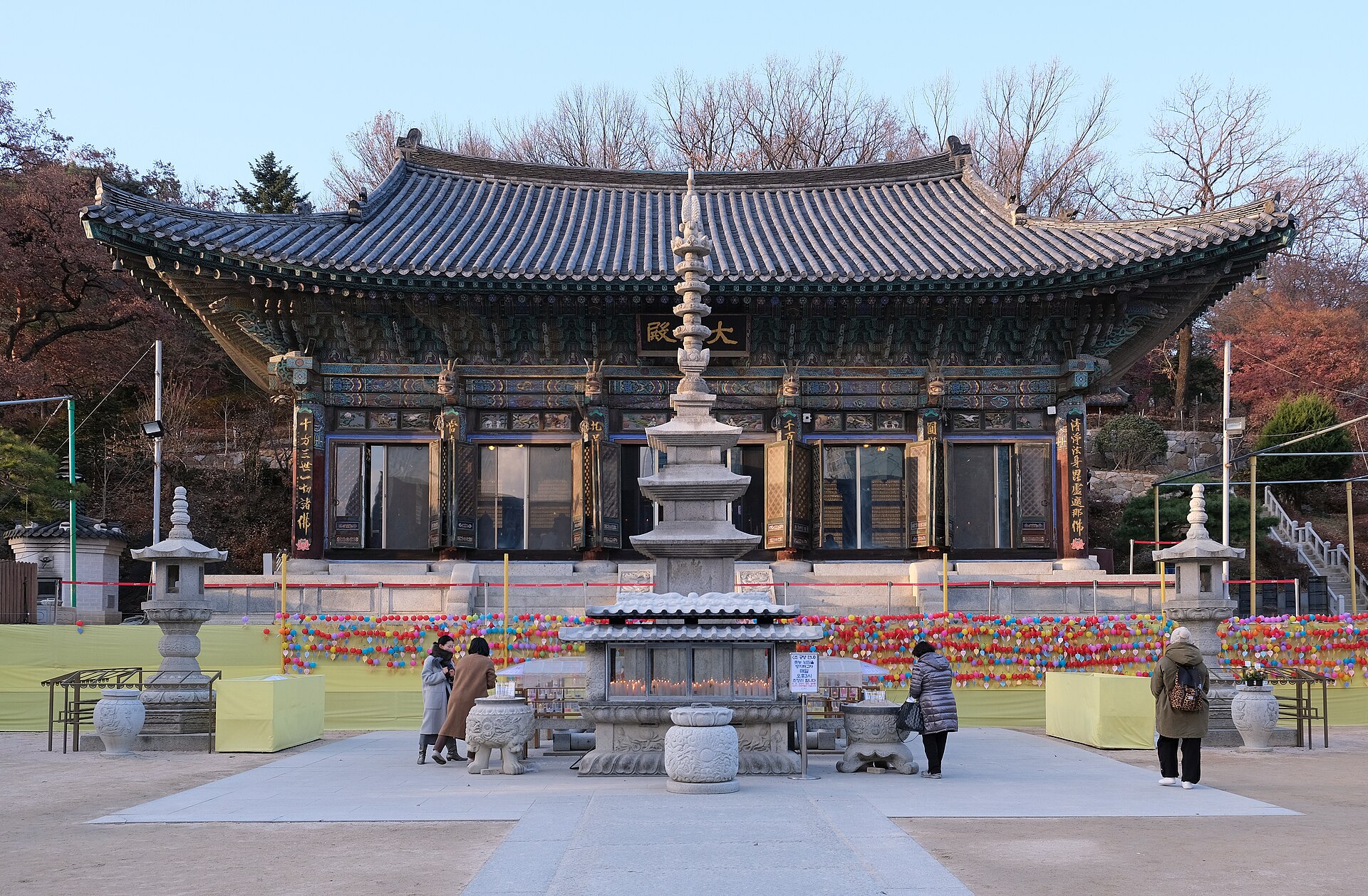
Book the experience before building the day around it
The official English Templelife introduction describes activities such as a temple tour, meditation and tea culture. That description establishes the type of experience, not your place in a session. Check current availability, language, meeting point and participation arrangements before attaching the programme to a fixed dinner or shopping itinerary.
For an independent short visit, choose a smaller objective. Read the access information at the entrance and select a few exterior views or permitted spaces. You do not need to recreate every activity in the programme description. A useful plan fits the access available to you rather than assuming that arriving at the temple grants entry to everything.
Look for the worshippers before looking for the photograph
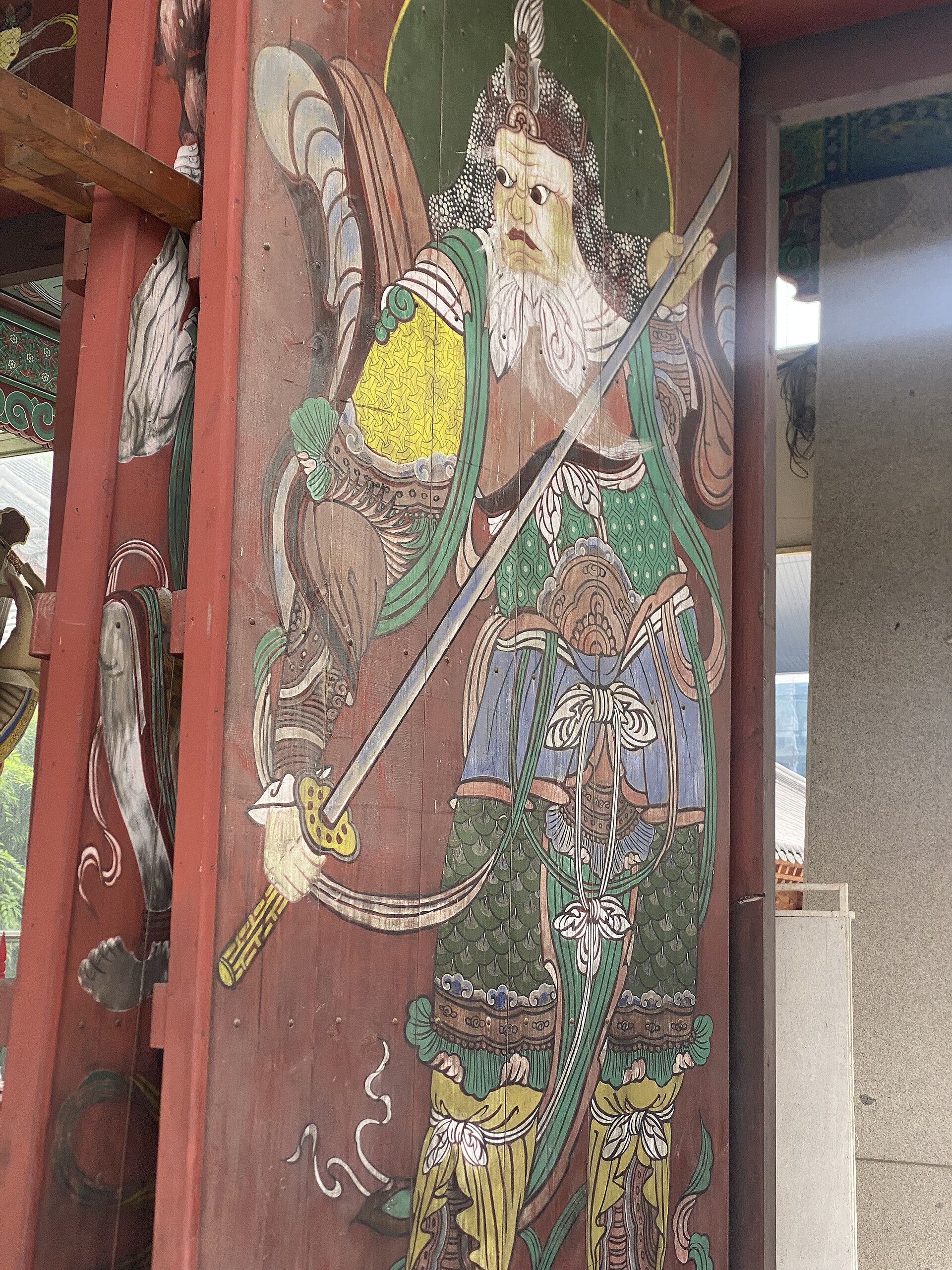
An open hall door is not a reliable photography policy. Notice whether people are praying, read the signs, and ask briefly if permission is unclear. If a view would make someone else’s worship the centre of your holiday image, change the composition or put the camera away. The visit still has value without recording that moment.
Keep conversations quiet, finish calls outside sensitive spaces and avoid blocking a narrow entrance while deciding what to do. Follow local instructions about footwear and access instead of assuming that every hall has the same arrangement. These are practical ways to leave room for the people who use the temple for reasons unrelated to sightseeing.
Use one detail to slow down the visit
After a broad view of a hall, choose one visible detail around the roof or doorway. Describe its shape before searching for a symbolic explanation. The distinction matters: noticing a pattern is an observation, while assigning its religious meaning needs a label, guide or reliable explanation. There is no need to invent a meaning to make a photograph interesting.
Check the present location of any named artefact you especially want to see. An object associated with Bongeunsa in a historical account is not necessarily displayed on the temple grounds today. A specific object name and current display location are more useful preparation than a long list of treasures that may belong to different museum collections.
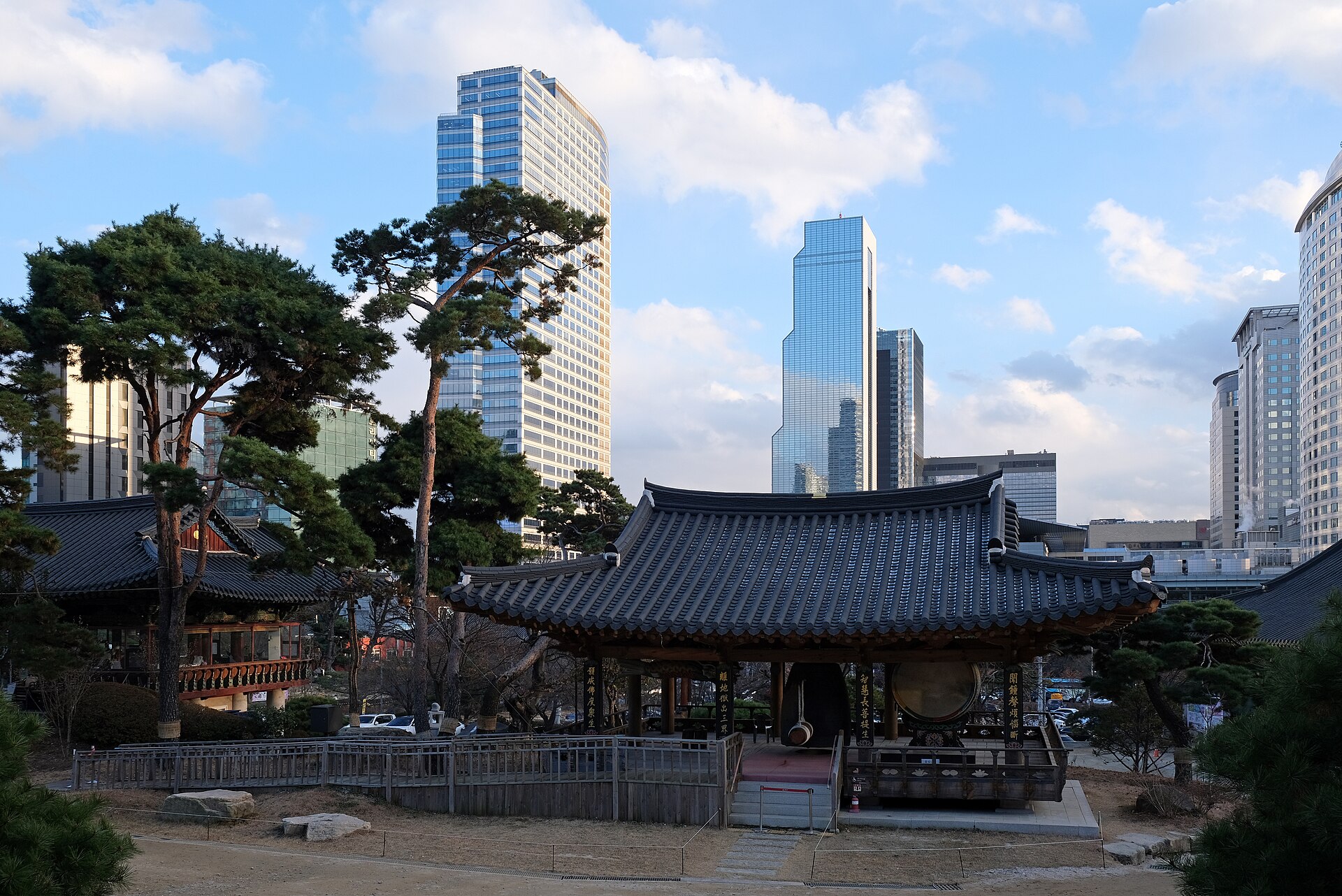
Let the city frame the visit without demanding a seasonal scene
Views combining temple roofs and surrounding modern buildings explain something about the site’s urban setting. Look from an allowed position without obstructing the path. You do not need to climb beyond a barrier or search for a restricted viewpoint to notice the contrast between the two kinds of architecture.
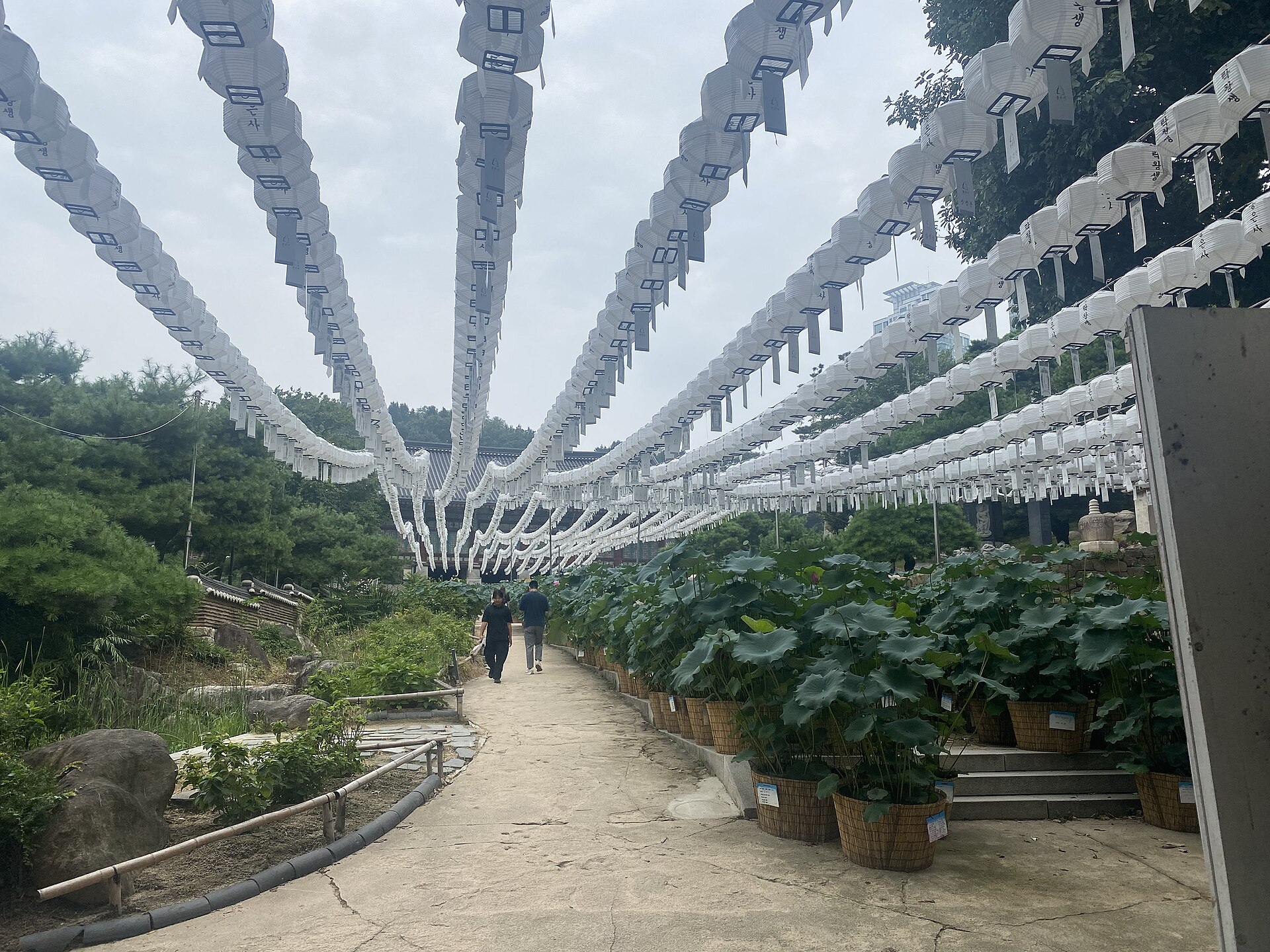
The lantern photograph here records an earlier scene. Lantern arrangements and events can change, so it should not become a promise about your date. If you are fitting the temple between other Gangnam plans, preserve time for the crossing and a break, then keep the visit comfortably small. A quieter, considerate stop is preferable to rushing through spaces you have not checked.
Before you go
Address: 531 Bongeunsa-ro, Gangnam-gu. Confirm Templelife participation separately from an independent visit. On-site worship, photography and access instructions take priority.
Checked against official information on September 29, 2026. This is a researched planning guide, not a first-person visit report. Recheck closures and access before departure.
Check the current visitor information before fixing your arrival time.