Large outdoor exhibits can easily become the whole plan for a first visit to the War Memorial of Korea. A stronger starting point is one question: do you want to understand a sequence of events, a participant’s experience, or the role of a particular object? That decision helps you leave time for the indoor interpretation.
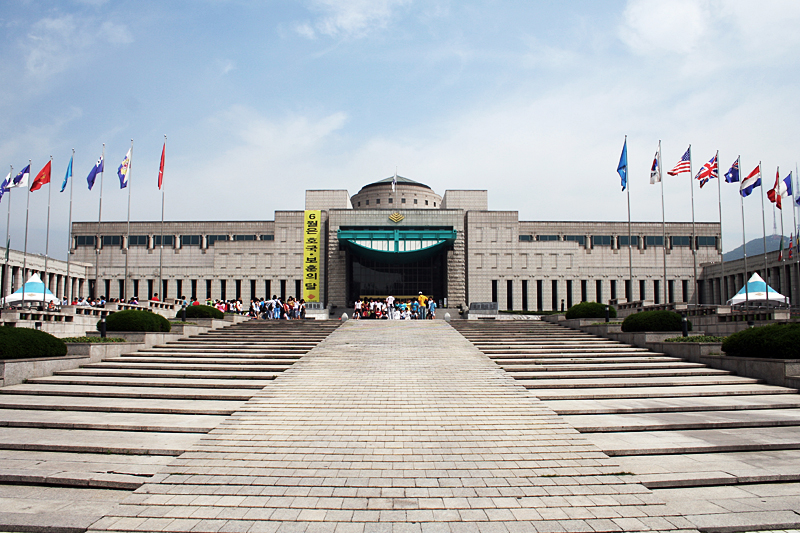
Protect time for one indoor section
Find your chosen section on the entrance map before committing to a full circuit outside. Starting with every large object and leaving the museum for whatever time remains can turn the most explanatory part of the visit into a hurried finish. With a group, agree on one shared section and a clear meeting point if interests differ.
Visitor listings are not perfectly consistent about the end of the day: general tourist information commonly gives 09:30–18:00, while a Korean city listing gives 17:40 and other guidance specifies an earlier last admission. Check the museum’s current instructions, arrive well before the final admission period, and avoid building a plan that requires access until the last minute.
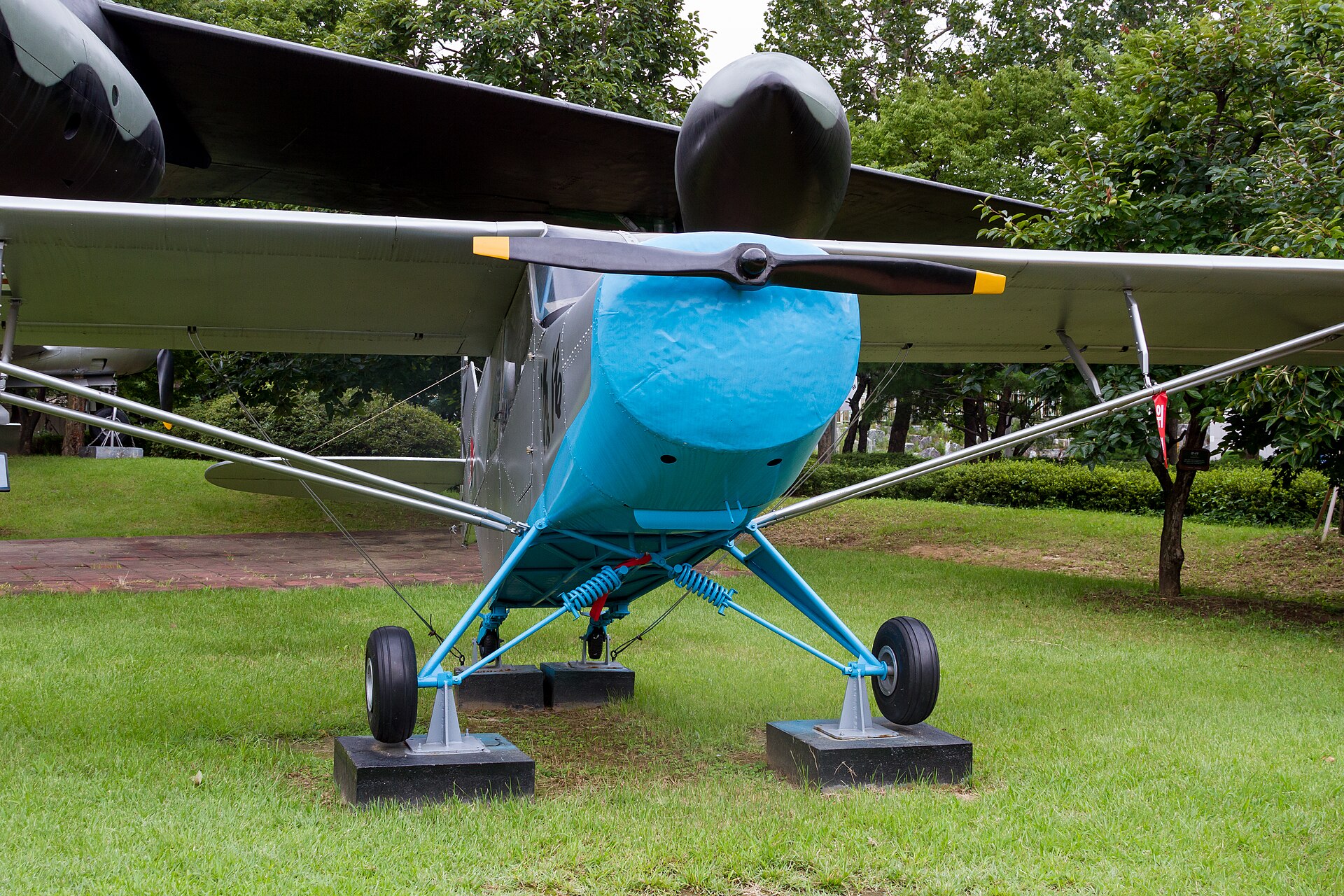
Read the date before assigning an object to a war
For an aircraft or vehicle, check its name, period and stated reason for display. Being at a war memorial does not make every object an artefact used in the Korean War. The Buwhal aircraft photograph accompanying this guide is a useful reminder to read the label rather than infer a combat role from the presence of wings.
Compare neighbouring objects only after checking whether they belong to the same period and purpose. A photograph of their size is one record; a note about a relevant date or function is another. Combining those two observations is more informative than collecting a sequence of impressive-looking machines with no explanation of how they differ.
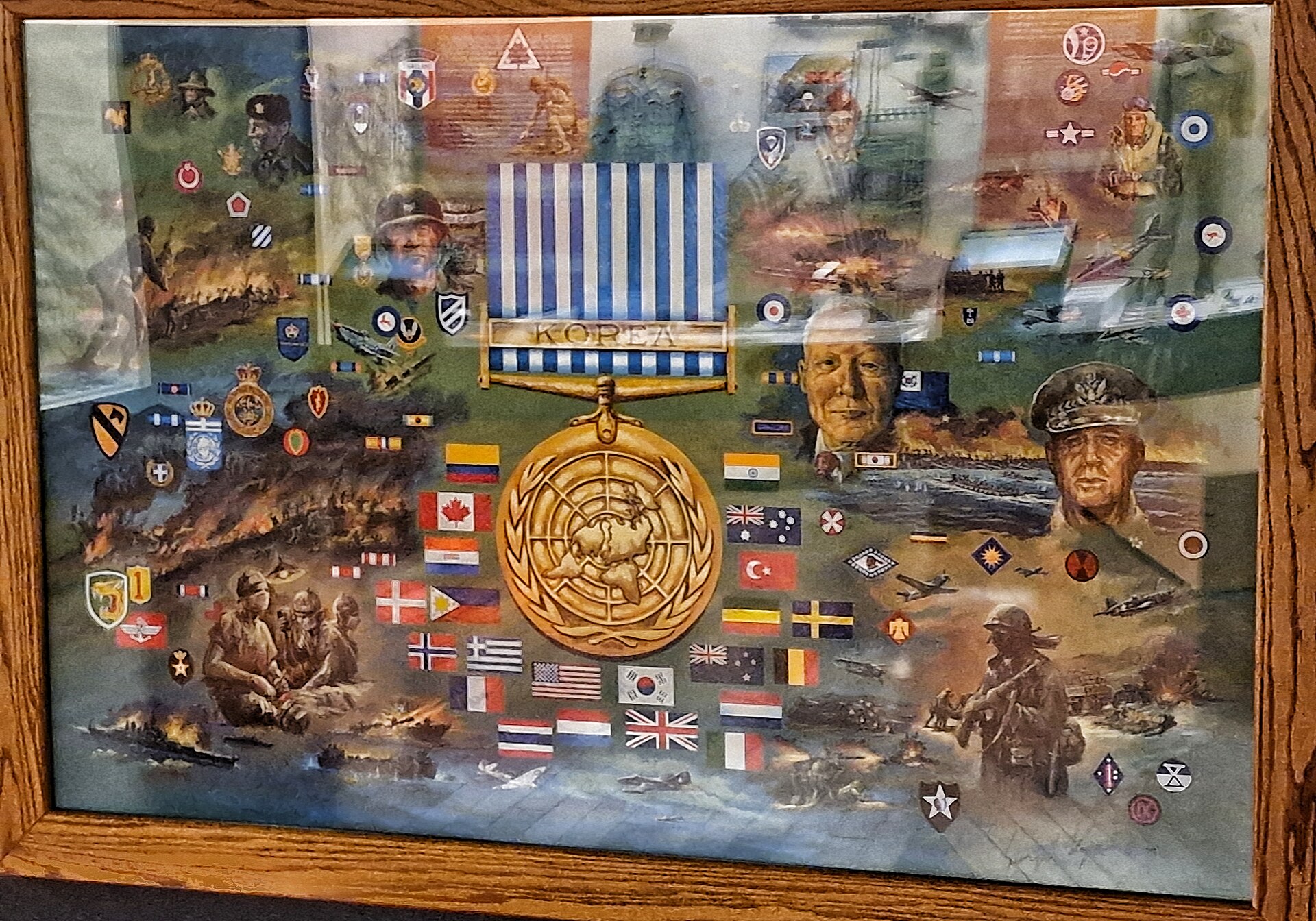
Follow one participant beyond a flag or a number
In a display about participating countries, choose one entry and read what form the contribution took. Identify the period and the people or events described rather than reducing the display to a count of flags. One carefully read account can give the larger presentation a human scale without pretending that it represents every participant.
Keep information and reaction separate. A unit’s dates are a factual detail to read accurately; your response to the presentation is an interpretation. With children, a useful conversation moves beyond which machine looks strongest to why it was used and what the surrounding events meant for people. The exhibits need not become a competition between pieces of hardware.
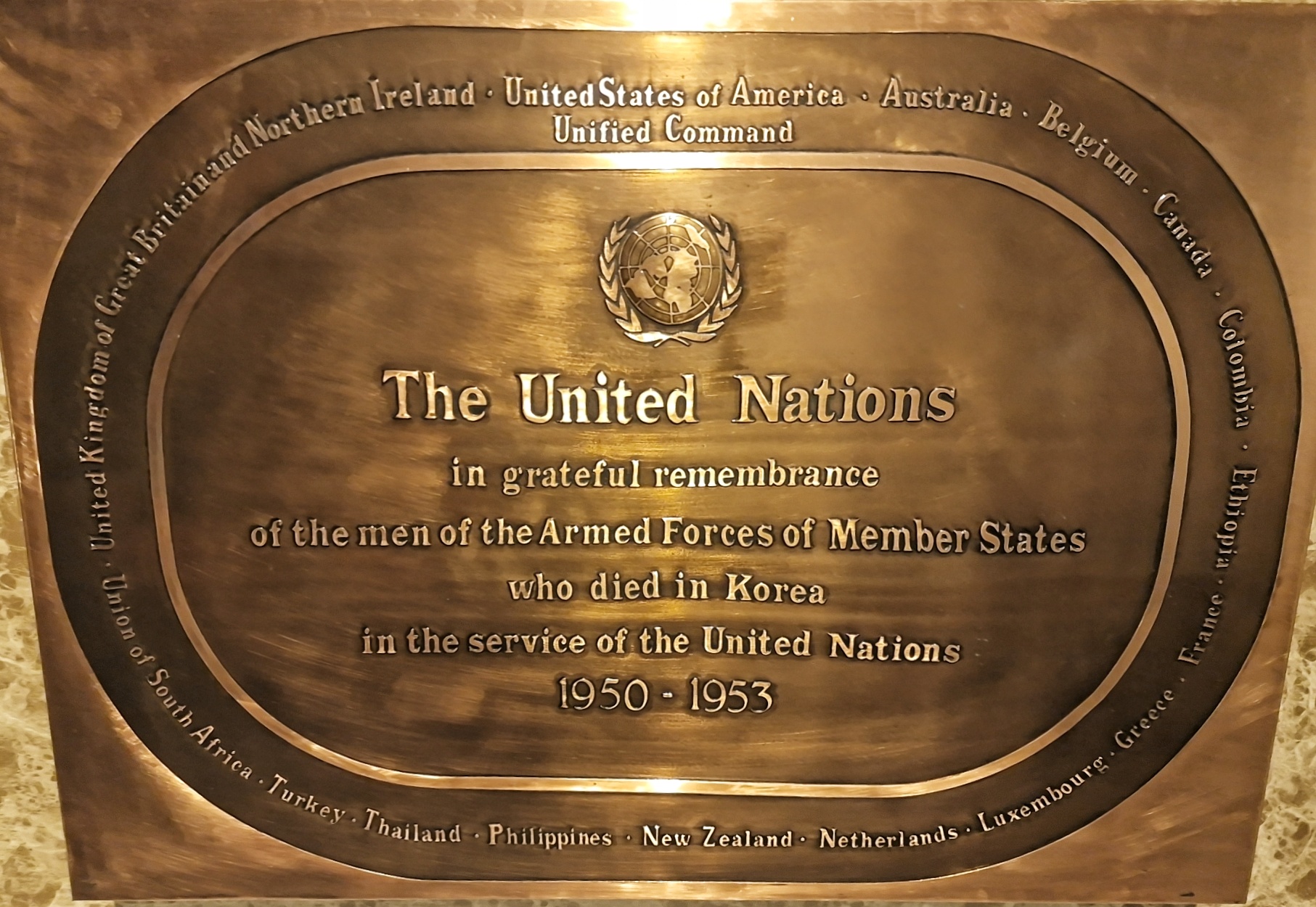
Slow down where the purpose is remembrance
At commemorative spaces, leave room for other visitors to read names and inscriptions. Avoid climbing on monuments or holding a path while arranging a photograph. The relevant question is not how many images you can collect but what a particular name, inscription or account has added to your understanding of the visit.
Before leaving, note one date, one person or country, and one question you still want to investigate. That provides a specific starting point for a return visit. General admission being free does not establish the terms of every special exhibition, so check any separate exhibition you intend to enter rather than extending the general rule automatically.
Before you go
Address: 29 Itaewon-ro, Yongsan-gu. Monday is the usual closure, with holiday exceptions. General admission is free; special exhibitions can have separate arrangements. Confirm final admission directly for a late visit.
Checked against official information on September 29, 2026. This is a researched planning guide, not a first-person visit report. Recheck closures and access before departure.
Check the current visitor information before fixing your arrival time.