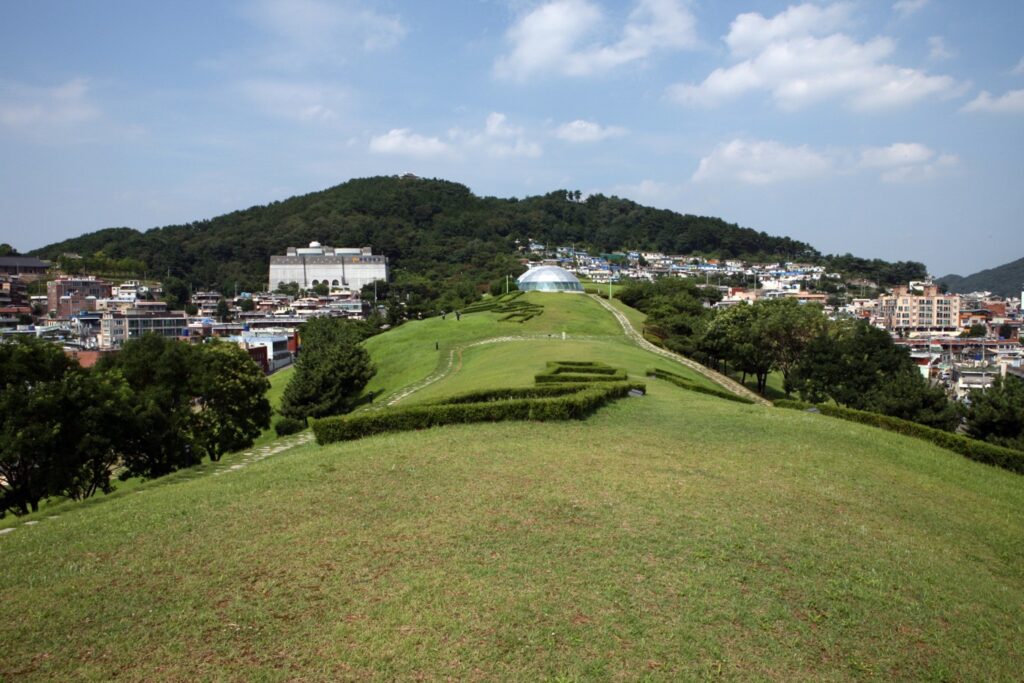
A green hillside is easy to photograph and harder to understand. At Bokcheon in Busan, the useful question is what the ground can tell you before you reach a display case. The museum and the archaeological park belong together: one gives you the setting, the other helps you read the evidence.
Start with the shape of the site
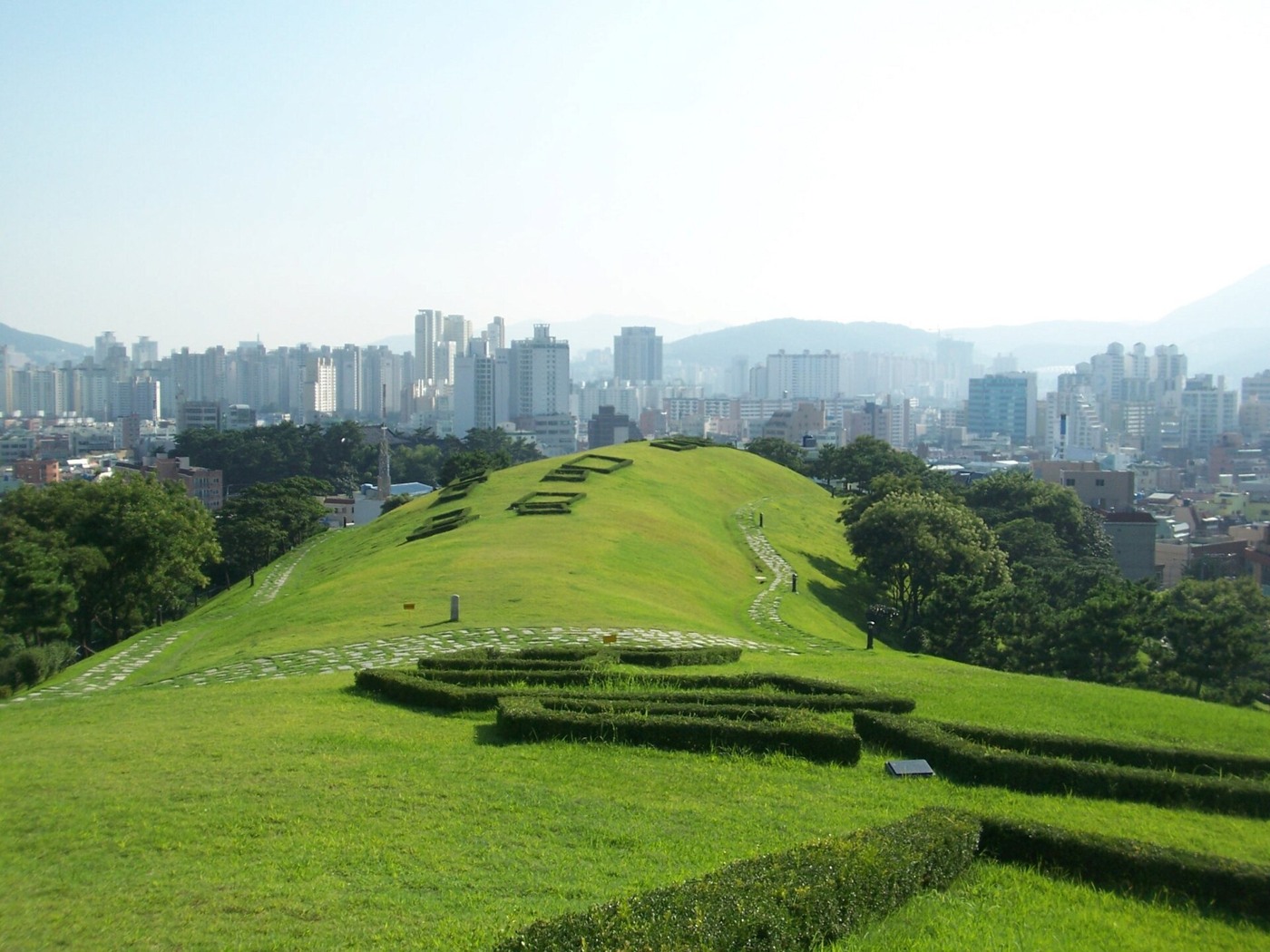
The museum’s tombs-park explanation says that planted boxwood marks the positions of excavated structures. The clipped outlines are therefore more than a garden pattern. Look at how they sit on the ridge and then use the signs to establish which feature you are seeing.
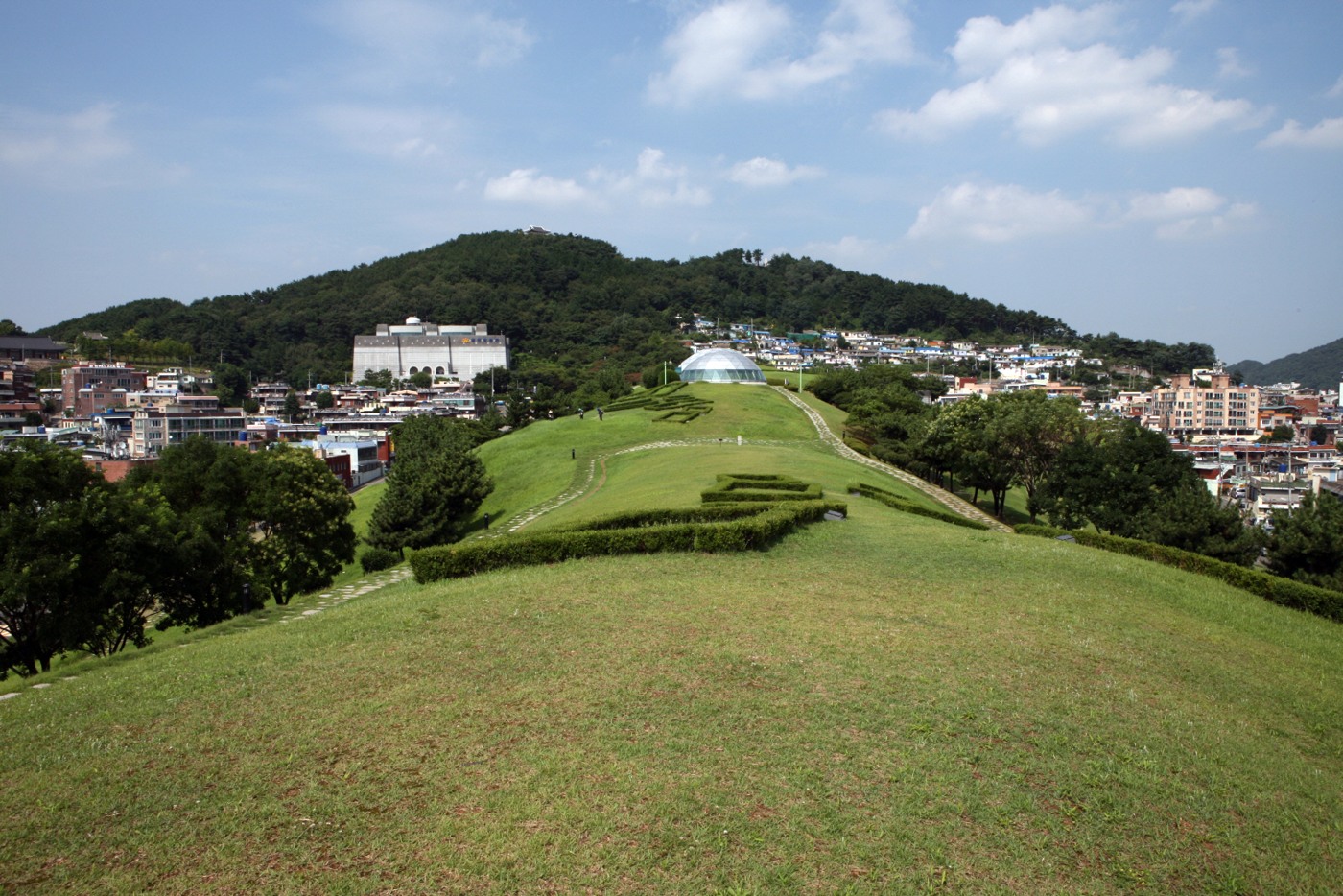
Stay on the visitor route rather than stepping across an outline for a better photograph. A preserved archaeological site is not an invitation to enter every space that looks like lawn. If rain makes the outdoor part unappealing, start indoors and decide afterward whether to add the park.
Use the two halls for different questions
The first hall introduces changes in tomb construction and the excavation of Bokcheon. The second hall groups finds such as pottery, iron objects, armour, horse equipment and ornaments. Instead of treating both as a long row of old things, use the first to ask how a burial was made and the second to ask what was placed inside.
A practical exercise is to choose one material. With iron, for example, compare a tool, weapon or piece of equipment that is actually on display. Read its label before deciding what it was for. Similar colour and corrosion do not make two objects interchangeable. You do not need to memorise a list of kingdoms to notice a meaningful difference in function.
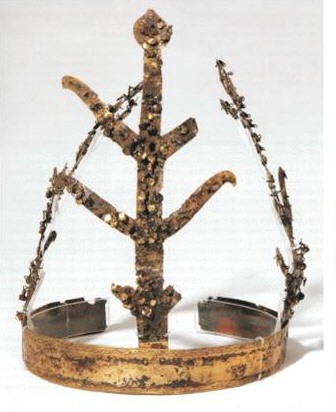
A crown is a clue, not a complete biography
Ornaments make striking images, but a beautiful object alone does not tell you the name or full life of the person associated with it. Check the find location, dating and interpretation on the label. Distinguish what was excavated from what the display proposes about status or belief.
If you leave with one explanation you can connect to the hillside outside, the visit has done more than produce three photographs. A useful final question is: which detail would have been missing if I had only walked around the park?
Autumn 2026: choose whether to add the horse exhibition
The museum has announced a special exhibition about horses and people from September 22 to November 22, 2026, in the first-floor special gallery. Its scope extends beyond the tombs into later Korean history. That makes it a separate reason to visit, rather than something every older Bokcheon review will describe.
Allow time for it if horses, transport or equipment interest you; otherwise keep your visit focused on the permanent halls and park. Related talks or activities should be checked individually, not assumed to be included as drop-in experiences.
Before you go: use 복천박물관, 부산 동래구 복천로 63 in your map app. The museum’s current page lists free admission and 09:00–18:00 opening, with January 1 and Monday closures and a holiday exception. The special-exhibition notice asks visitors to enter by 17:00. Check the dated notice for your holiday visit rather than relying on the weekday alone.