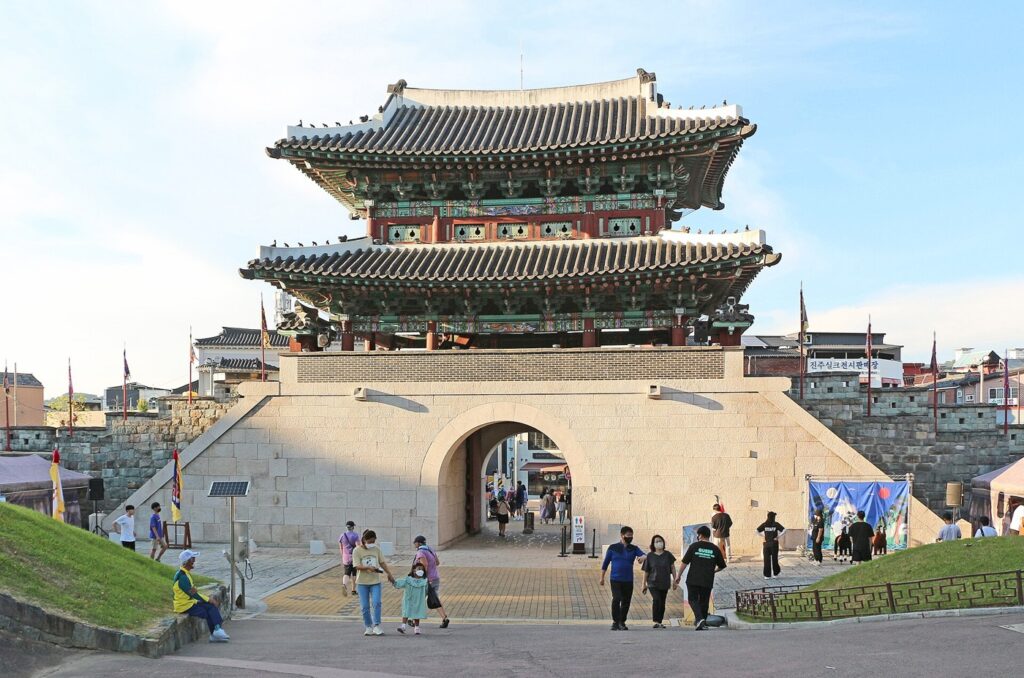
Jinjuseong can give you a daytime history visit and an evening beside the Namgang River. The common planning mistake is to treat them as one attraction with one closing time. The fortress grounds, Jinju National Museum and the lantern festival each need a separate place in the day.
Put the museum first if its history matters to you
Jinju National Museum’s visitor page lists 09:00–18:00 opening, with admission ending 30 minutes before closing. It also says regular night opening is suspended. A late-open fortress or illuminated river does not extend those gallery hours.
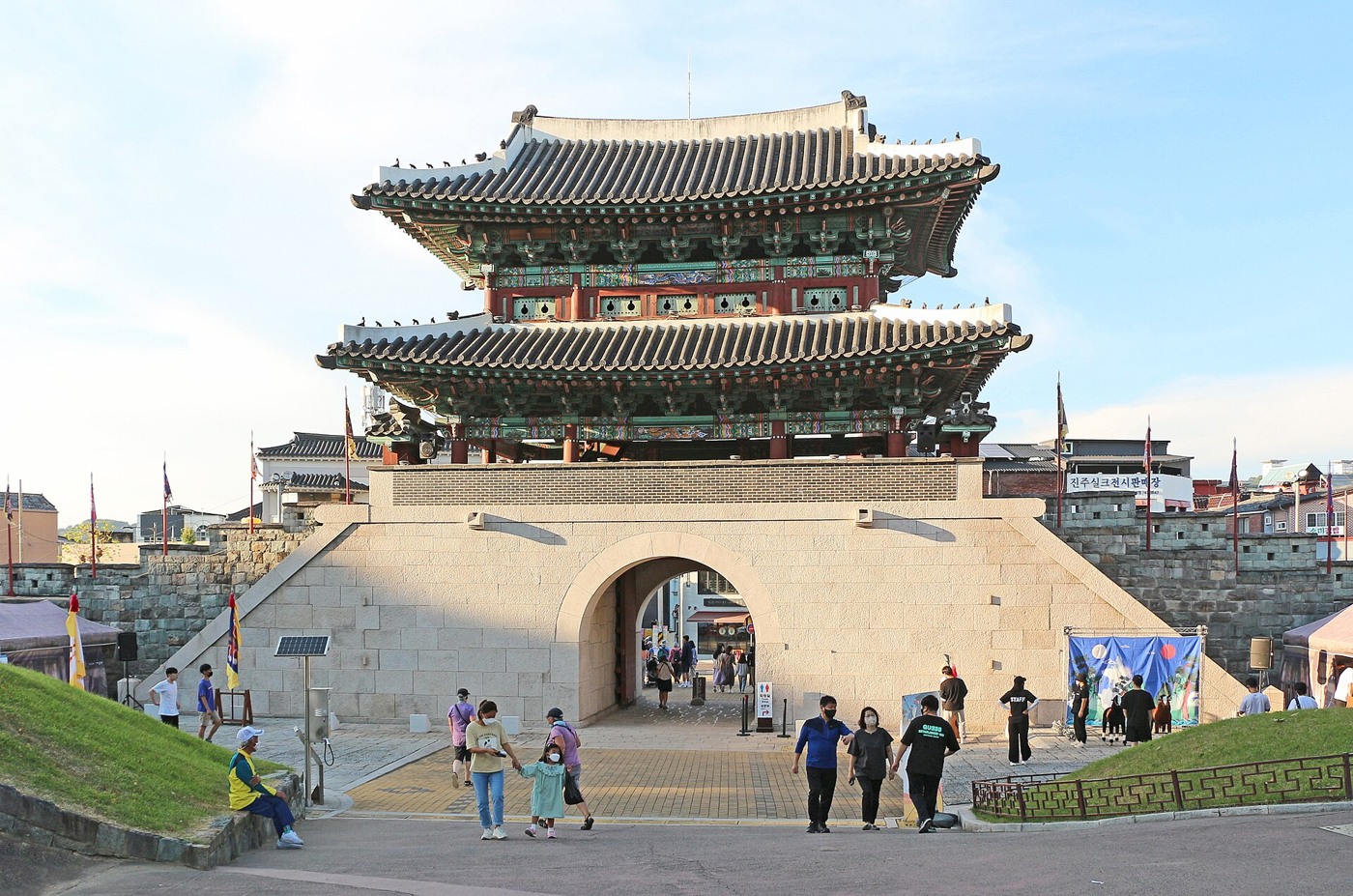
Build your arrival around the indoor visit first, then leave space for the grounds. The museum closes on Mondays, January 1 and the main Seollal and Chuseok holidays; its Monday public-holiday exception moves closure to the next weekday. Read the actual calendar before ruling out a holiday Monday or assuming Tuesday is open.
Use the river view to ask a historical question
The Korea Tourism Organization’s fortress guide places Chokseongnu Pavilion and the museum inside the site and describes its role in the Imjin War. The view over the Namgang is a reason to pause, but it also helps explain why a fortress stood here.
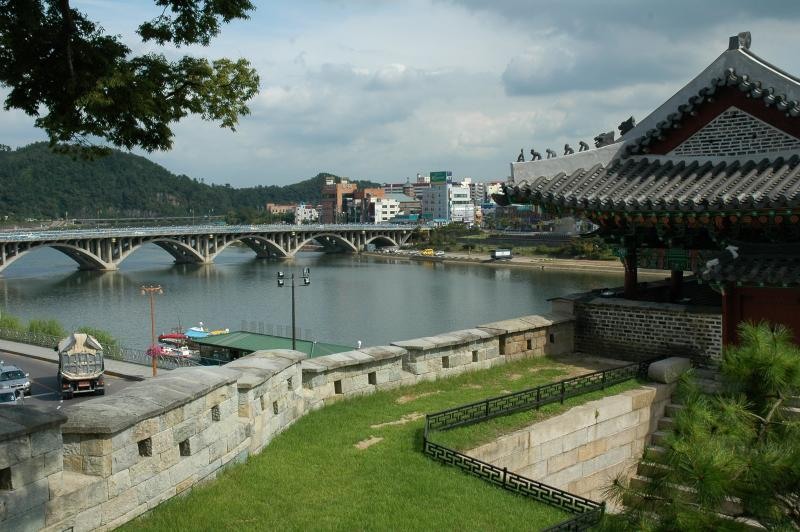
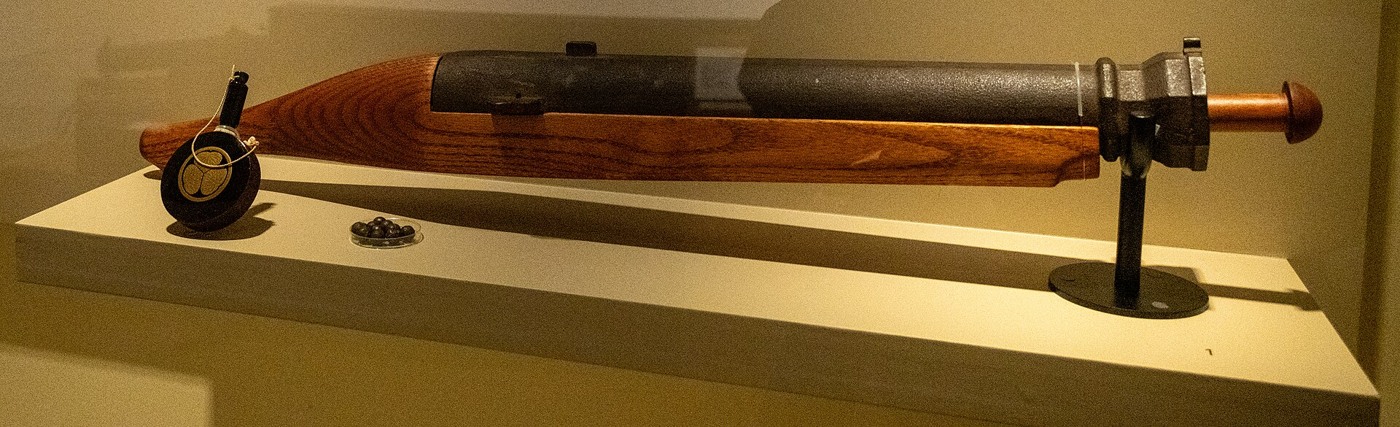
In the gallery, connect one display to a question raised by that landscape: movement, defence, communication or the people affected by war. Read the date and context instead of assuming every weapon represents the same battle. Outdoors, return to one viewpoint and notice whether the explanation changes what you see.
A museum visit still involves the fortress entrance
The museum is inside Jinjuseong. Its visitor page explicitly warns non-residents that reaching it normally requires the fortress admission charge; the listed individual adult rate is 2,000 won. This is not a separate paid museum exhibition ticket. Exemptions and event arrangements should be confirmed at the entrance for your circumstances.
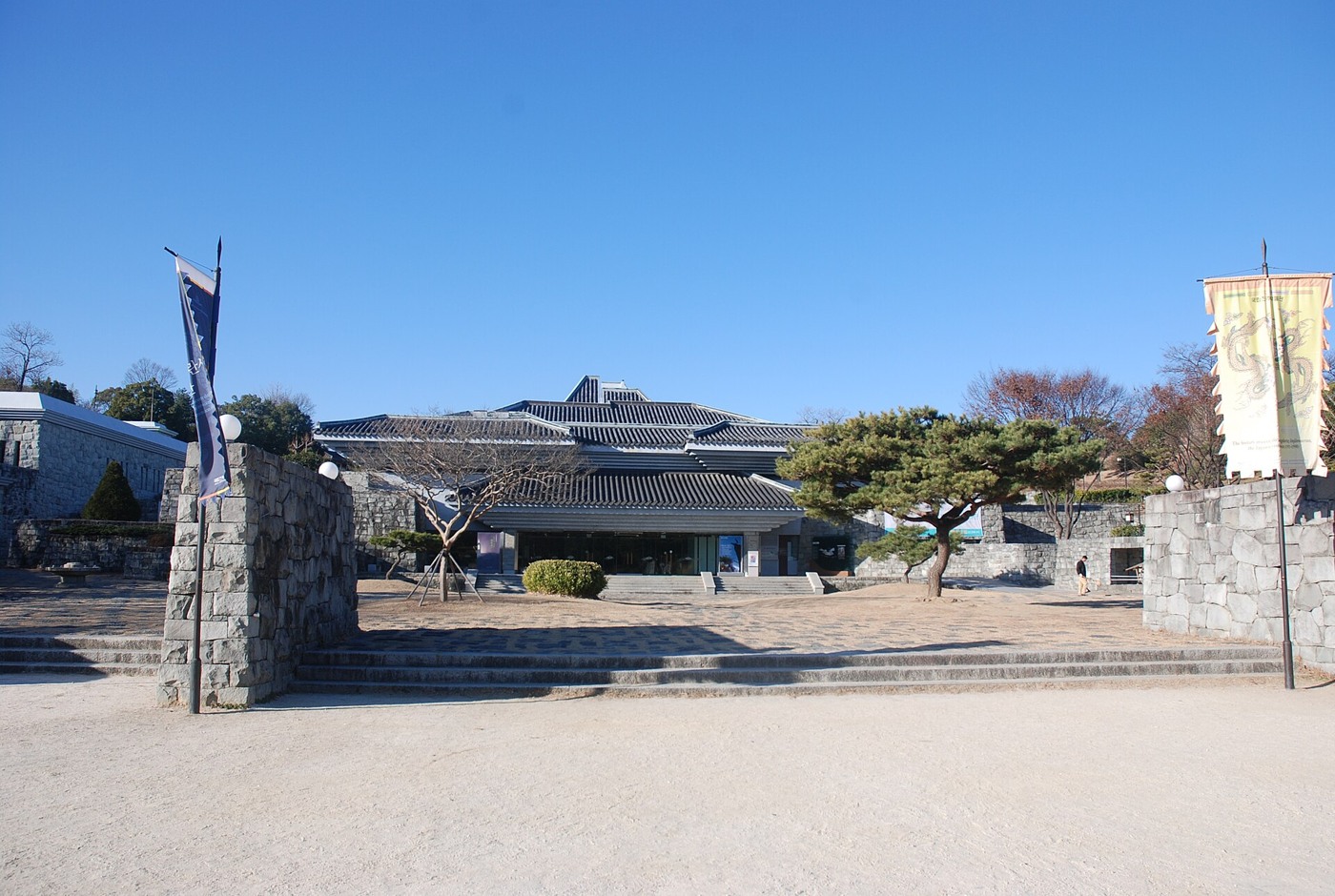
Use 국립진주박물관, 경남 진주시 남강로 626-35 when locating the museum, and allow time to walk from the appropriate fortress entrance. A map pin at the building is not a promise that a taxi or private car can take you to its door. The museum directs drivers to the fortress parking facilities rather than a museum-operated car park.
October 2026: the lights and the bridges stop at different times
The official Jinju Namgang Yudeung Festival site announces October 3–18, 2026. It lists lantern illumination from 18:00 to midnight, while floating bridges and booths operate from 13:00 to 23:00. Those are different cutoffs. Do not plan a late return crossing just because the lanterns are still lit.
Choose the riverbank on which you want to finish, check the day’s permitted crossings and leave time to reach your booked transport. Budget separately for any paid bridge access or activities after checking the current ticket terms; the fortress’s ordinary admission price does not describe every festival cost.
If you have only an evening, enjoy the river and return for the museum another day. If the museum is the priority, arriving well before its last-entry time protects the part of the visit that cannot be moved into the night.