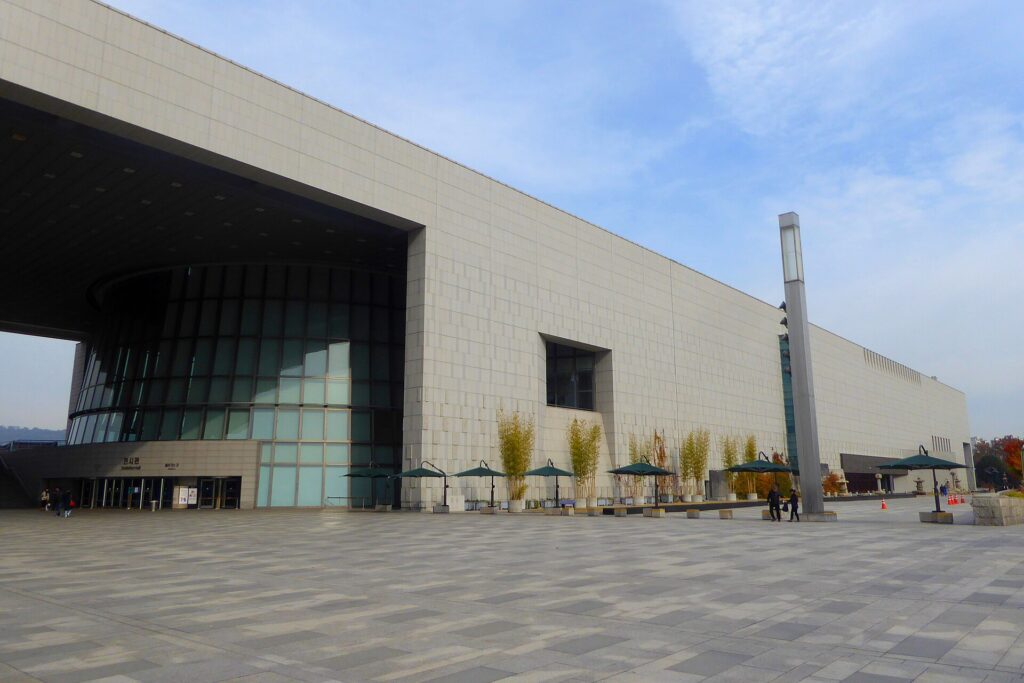
A first museum visit does not have to be a race through famous objects. At the National Museum of Korea, a better starting point is a question you would like to explore: how a material was used, how an object changed over time, or what a particular period’s everyday life looked like. Then use the current floor plan to choose a manageable part of the collection.
Give the visit one main purpose
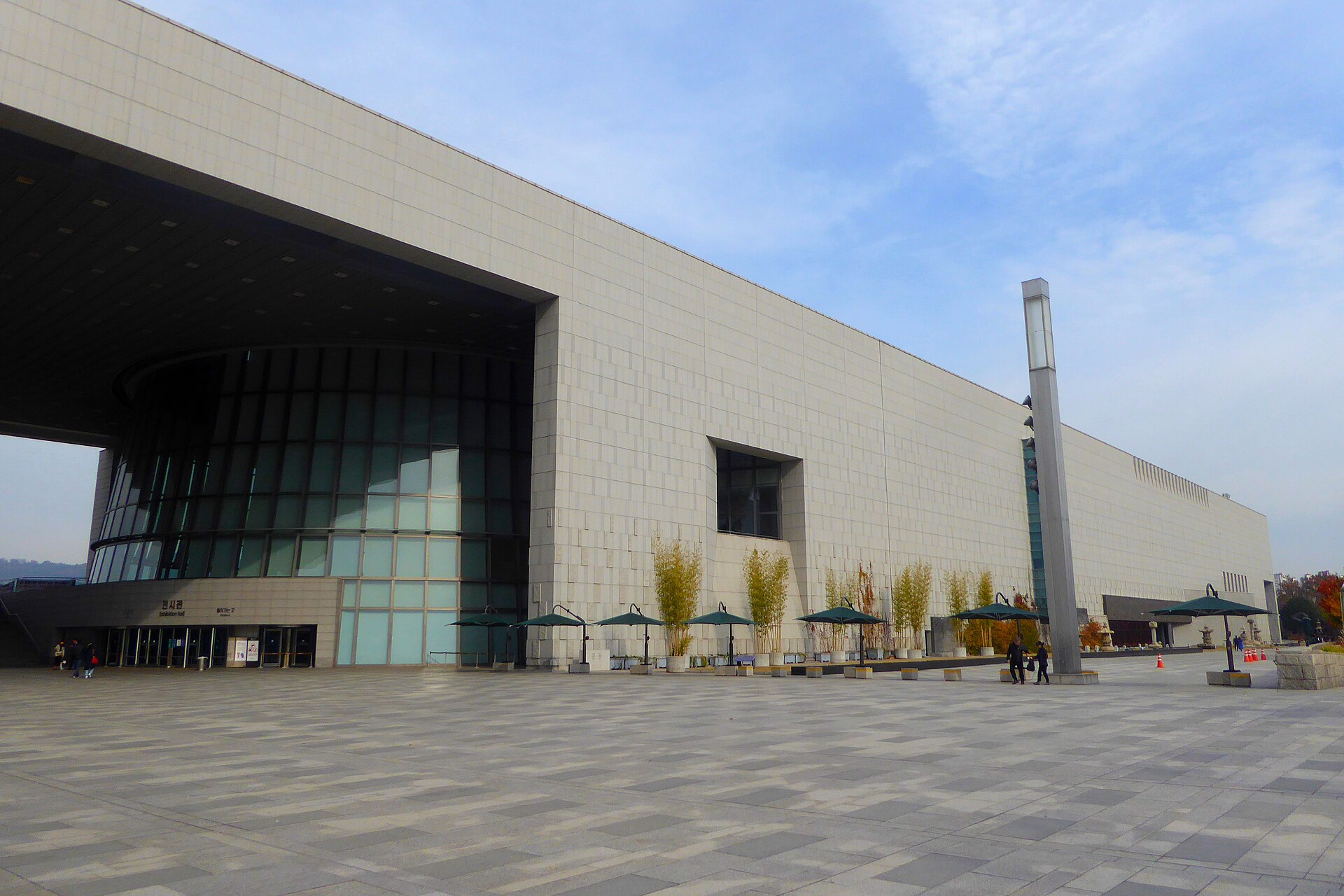
Before entering, finish this sentence: ‘I would like to understand…’ Keep the answer narrow enough to investigate in one gallery or a small group of objects. ‘Korean history’ is too large for a first afternoon; a question about the shape and purpose of ceramic vessels gives your looking a more practical direction.
If companions have different interests, choose one area to see together and a clear place to meet afterward. You do not need to read every label at the same speed. Check the current map when you arrive instead of relying on an old article’s room numbers; exhibitions and access can change.
Separate general admission from a specific booking
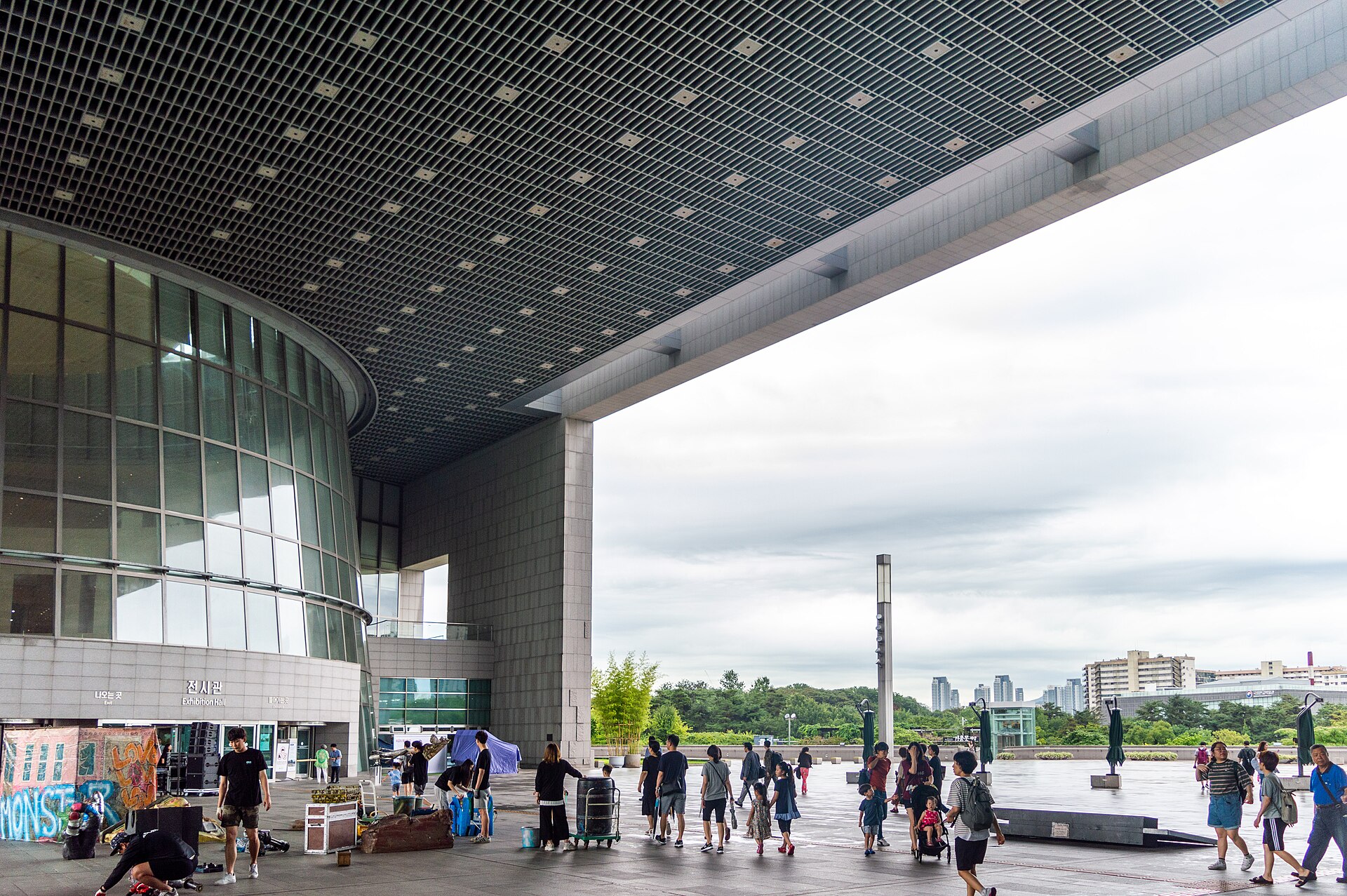
The museum lists general admission as free, excluding paid special exhibitions. Its Children’s Museum uses timed reservations. If a particular exhibition or a family visit is your reason for going, check that specific booking path first. An open main building does not establish that your intended activity has available places.
For a collection-focused first visit, it is reasonable to start with the permanent galleries and a modest plan. Do not add a special exhibition just because it is available. Consider whether its subject fits your interest and whether you have enough attention left to enjoy it, rather than treating another ticket as proof of a more complete day.
Use a three-question looking exercise
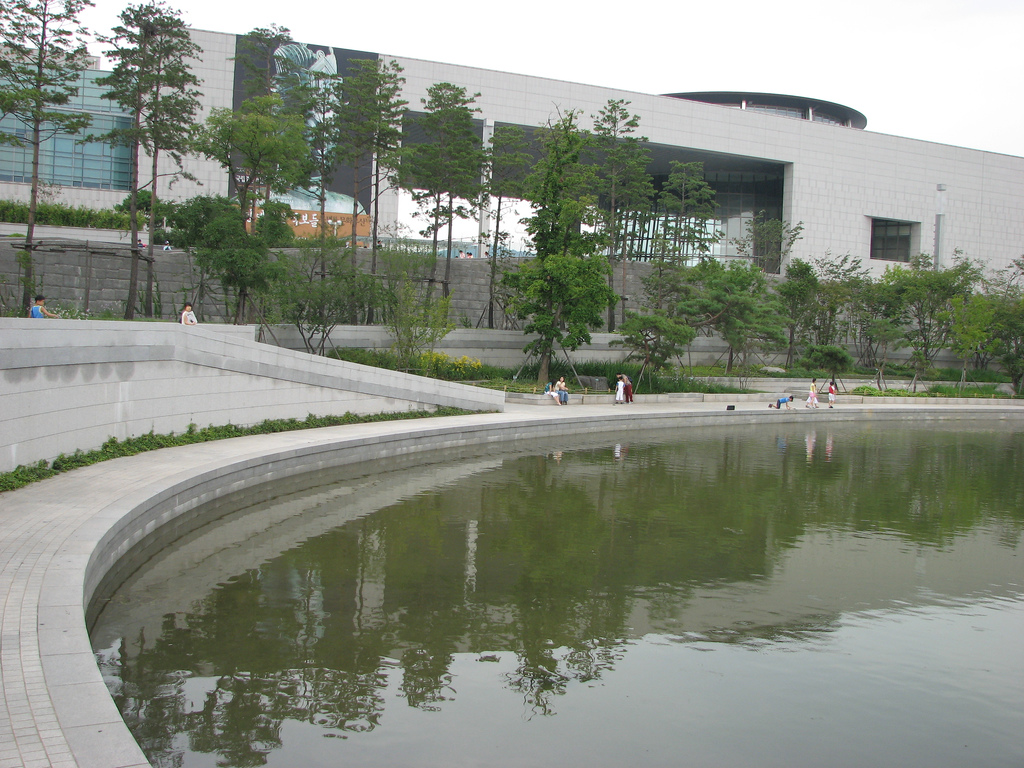
Choose one object and ask: what is it made from, what might its form allow someone to do, and what does the label confirm or correct? Then compare it with a nearby object. This separates what you can directly observe from what you need evidence to understand. A confident-looking guess about an object’s purpose is still only a guess until checked.
Take fewer, more purposeful photographs where photography is permitted. One view of the object and a note about the detail that surprised you can be more useful afterward than a long sequence of unidentified images. Follow the individual gallery’s photography rules and leave space for others to look.
Check last entry, then decide when to finish
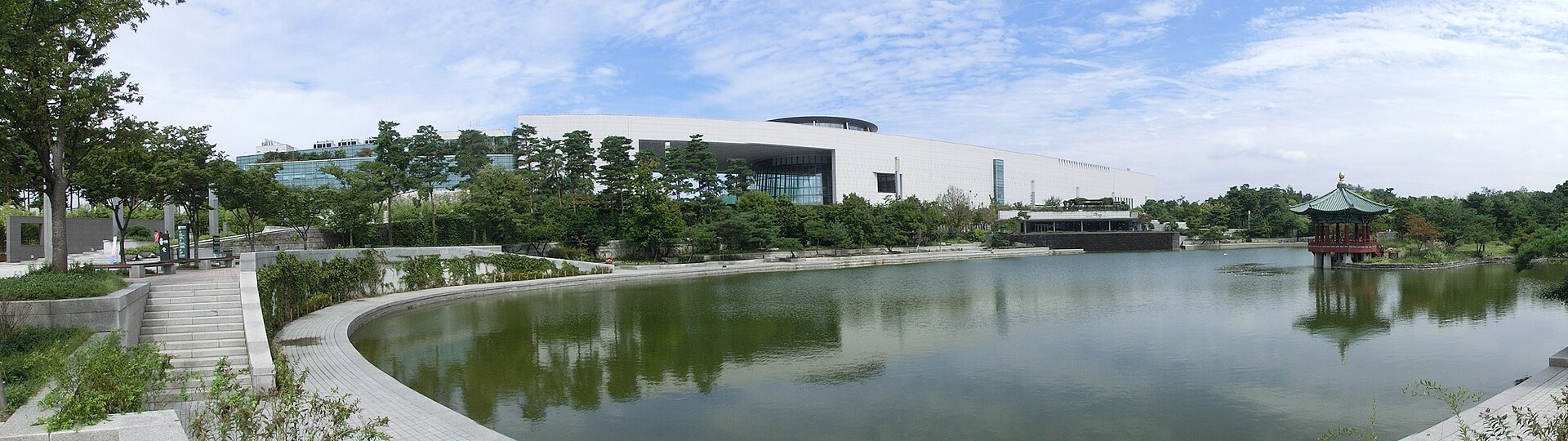
The current official schedule lists closing at 17:30 on Monday, Tuesday, Thursday, Friday, and Sunday, and 21:00 on Wednesday and Saturday. Last entry is 30 minutes before closing. Special holiday closures and periodic gallery closures are separate considerations, so check notices for your actual date.
Being allowed to enter near closing is not the same as having time for a satisfying visit. Leave with one object you remember and one question to follow up, even if you have seen less than planned. A future visit then has a purpose of its own, instead of becoming an attempt to finish an impossible checklist.
Before you go
National Museum of Korea: 137 Seobinggo-ro, Yongsan-gu, Seoul; Korean map search 국립중앙박물관. Schedule checked on 27 September 2026. The viewing exercise is our editorial suggestion, not a museum-prescribed route.