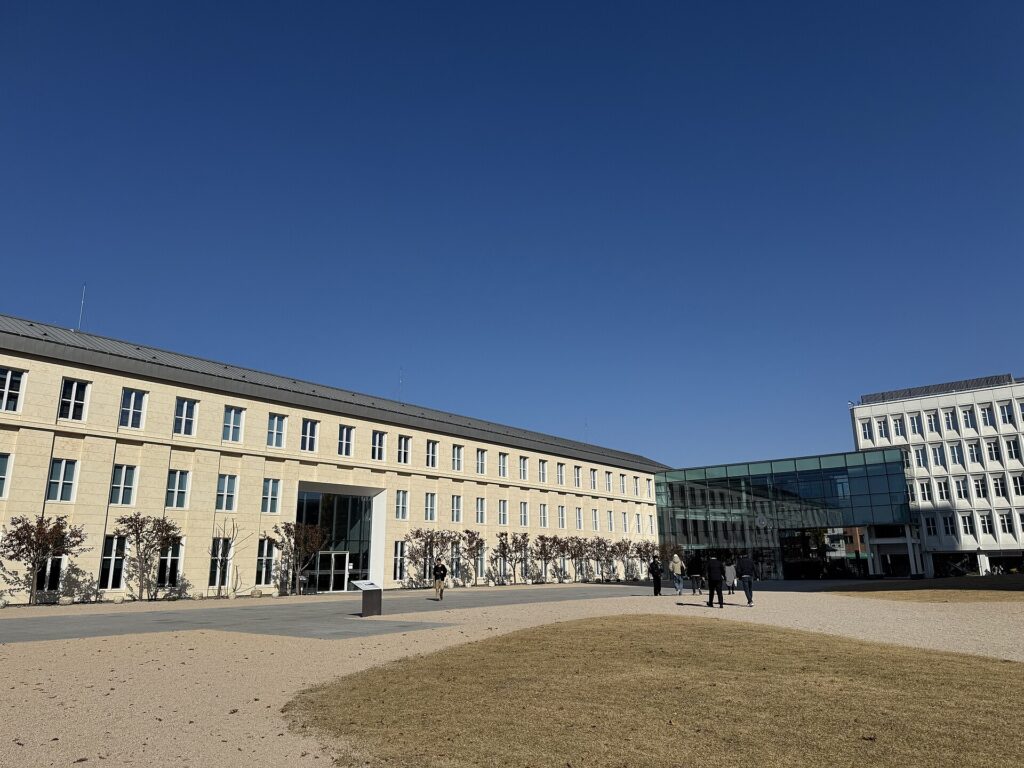
At Seoul Museum of Craft Art, the most useful first decision is which building matters to you. A visitor who wants textiles, a family with a children’s reservation and someone arriving after dinner are not planning the same visit. The museum’s autumn 2026 late opening applies to selected spaces; it is not a promise that every gallery stays open until nine.
Start with a question you can answer by looking closely: how was an object made, what was it used for, or what did its owner want it to express? A small selection of objects can then become a satisfying visit without trying to cover every exhibition.
1. Pick a material before you pick a route
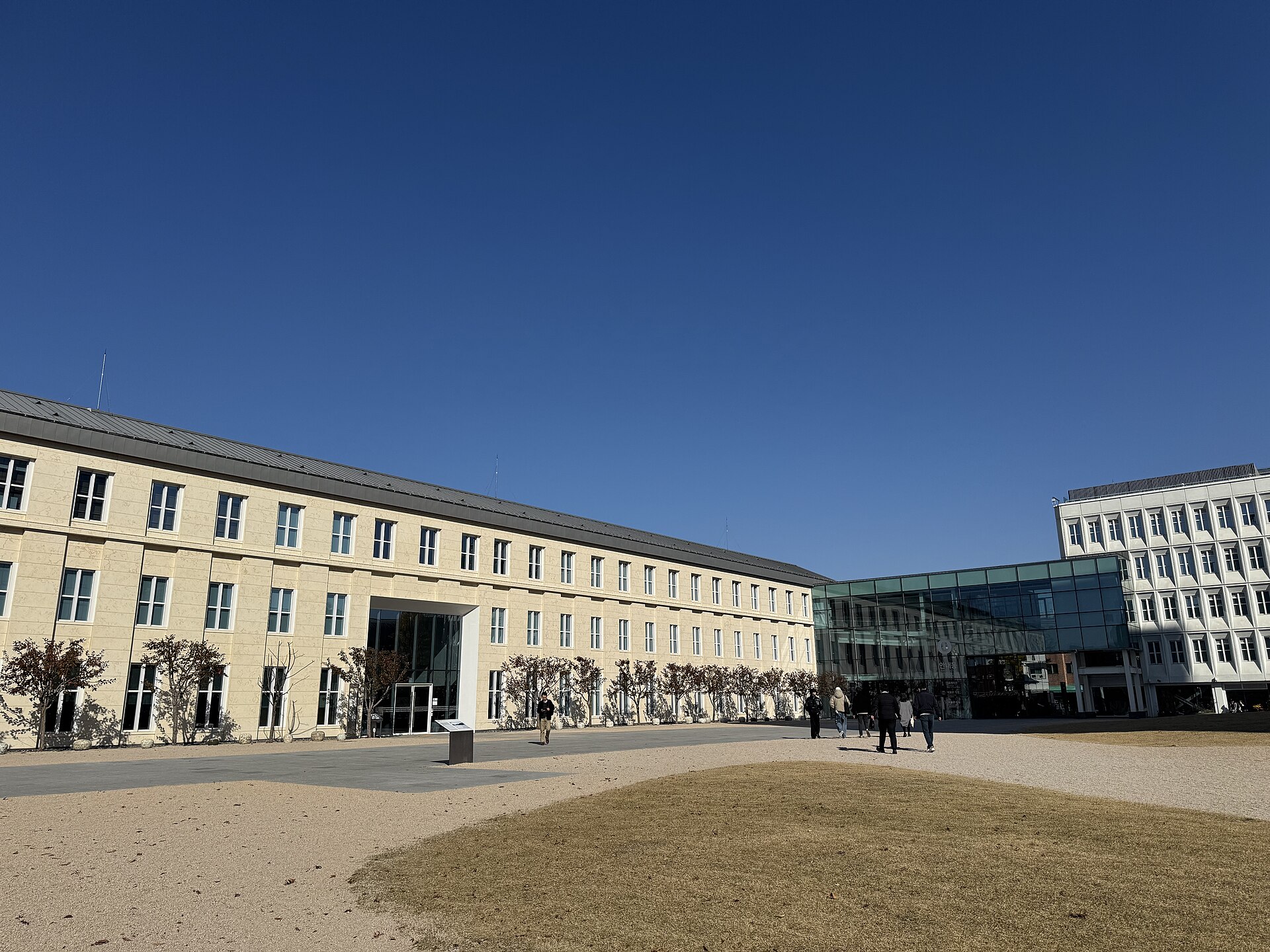
The museum opened in 2021 after remodeling five buildings of the former Pungmoon Girls’ High School. Its institutional introduction describes craft through objects, makers, knowledge and everyday life. That provides a useful alternative to treating the museum as a sequence of expensive-looking things.
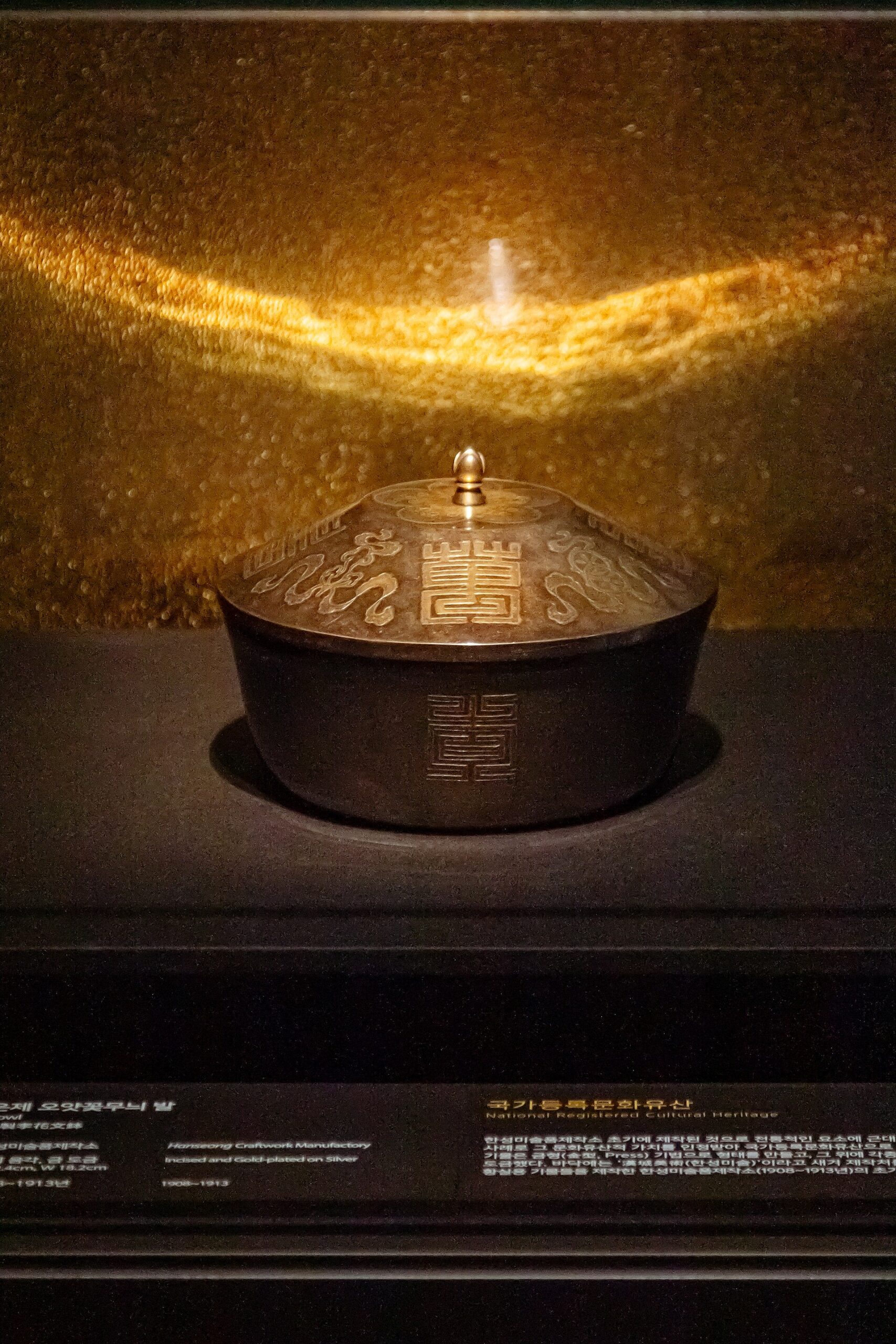
For a material-led visit, choose a ceramic, wooden or metal object and look for a join, a support or an undecorated surface. Ask what each detail lets the object do. This is a suggested viewing method, not a claim that a particular object will be on display when you arrive. The archival detail photographs below illustrate the method; gallery contents can change.
2. The underside can be as useful as the decorated face
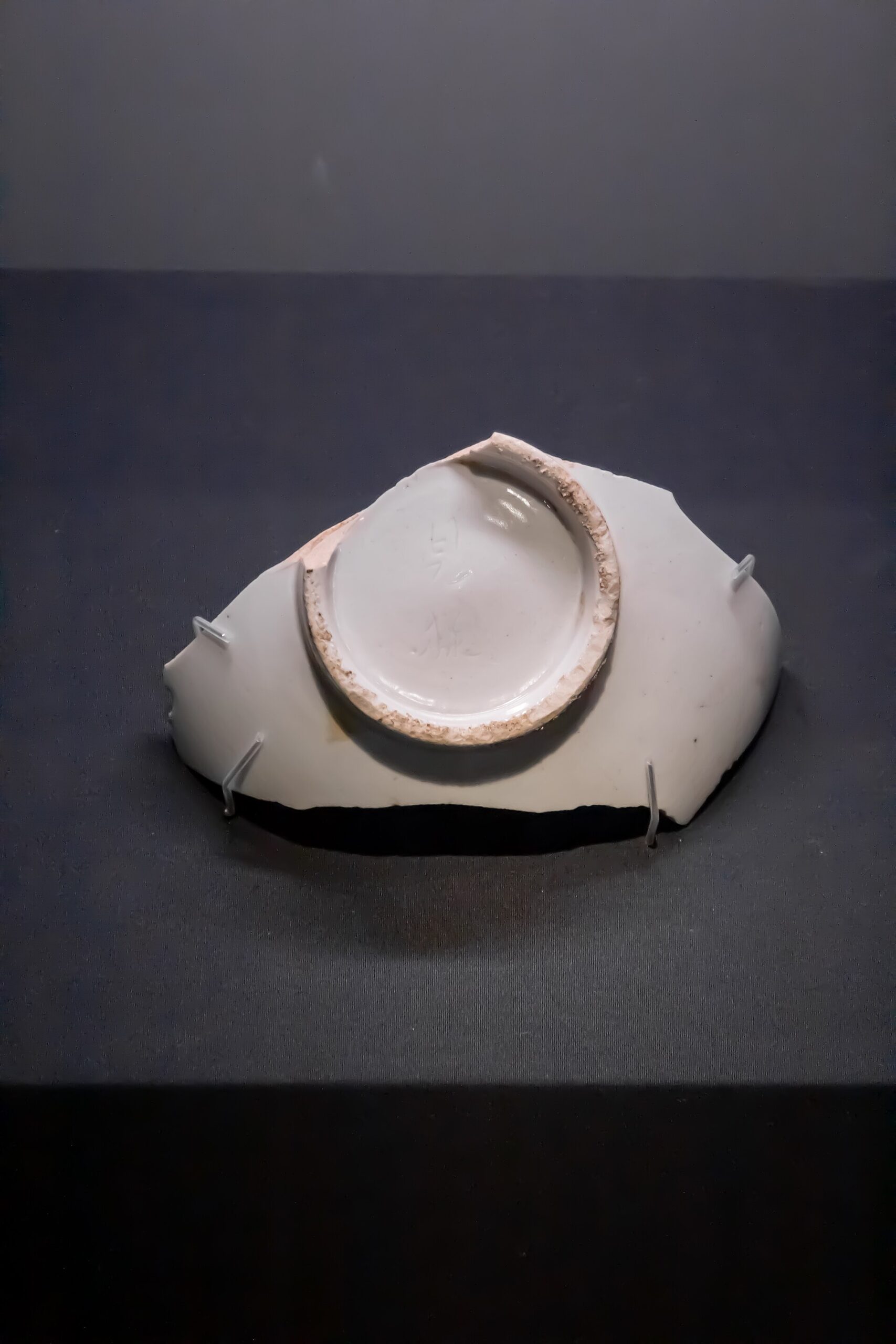
In this photograph, the foot ring is easier to inspect than any painted decoration. Use it as a prompt: where does the object meet the table, and which surfaces were meant to be visible? When a museum displays a fragment, the break can reveal construction that an intact presentation hides. Do not assign a date, maker or purpose from appearance alone; compare your observation with the label.
The permanent-exhibition guide places craft history in Buildings 1 and 2 and the textile displays in Building 3. In the textile galleries, the same method changes scale: follow a seam or compare the arrangement of fabric pieces, then read what the museum says about use. Looking and reading become a conversation rather than two competing tasks.
3. Do the textile visit before the evening-only visit
For September 15–November 30, 2026, the official timetable extends Building 1’s first and second floors to 21:00 on Tuesday, Wednesday, Friday, Saturday and Sunday. Thursday remains 18:00. Buildings 2 and 3 and the education building remain on the 18:00 timetable; admission closes 30 minutes before the applicable closing time.
That changes the order of a textile-focused outing: prioritize Building 3 during daytime, then consider Building 1 later if its displays interest you. Arriving at 19:00 specifically for the bojagi wrapping-cloth exhibition would miss its building’s opening window. After November 30, recheck the timetable rather than carrying these temporary hours into a winter itinerary.
4. A children’s visit needs its own reservation
The Children’s Museum is in the education building, with advance online booking and four sessions from Tuesday to Sunday. In 2026, its age rule admits children born in 2017 or later with an adult guardian; activities are designed primarily for ages five to nine. Do not assume free general admission gives access to an unreserved children’s session.
Use the building map to identify that destination before arrival. For an adult-only craft visit, concentrate on the exhibition buildings instead of planning the children’s spaces as an extra gallery. A family should anchor the outing to the confirmed session and fit the other galleries around it.
The address is 4 Yulgok-ro 3-gil, Jongno-gu, Seoul, near Anguk Station on Line 3, Exit 1. General admission is free, though hired exhibitions may charge. There is no general visitor parking. The usual Monday closure has a public-holiday exception for the main museum; the Children’s Museum closes every Monday. Hours and rules were checked October 3, 2026. Confirm any special closure for your actual date.