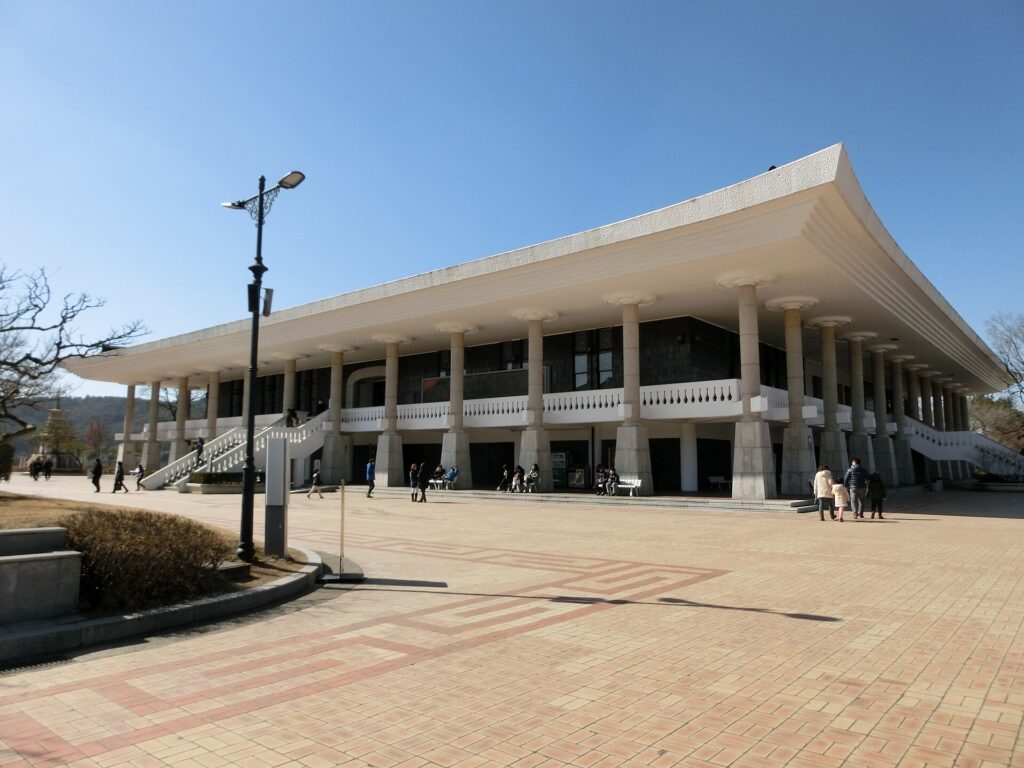
Gyeongju’s tombs and palace grounds become more interesting when you know what was found inside them. Gyeongju National Museum can provide that connection without requiring you to read every label in every building. Choose one question for the museum, then take it back outside into the city.
For a first visit, the most useful choice is between the broader story of Silla and a closer look at life around Wolji Pond. The route below is an editorial suggestion, not a timed guided tour.
Start with the History Hall if the tombs are still a mystery
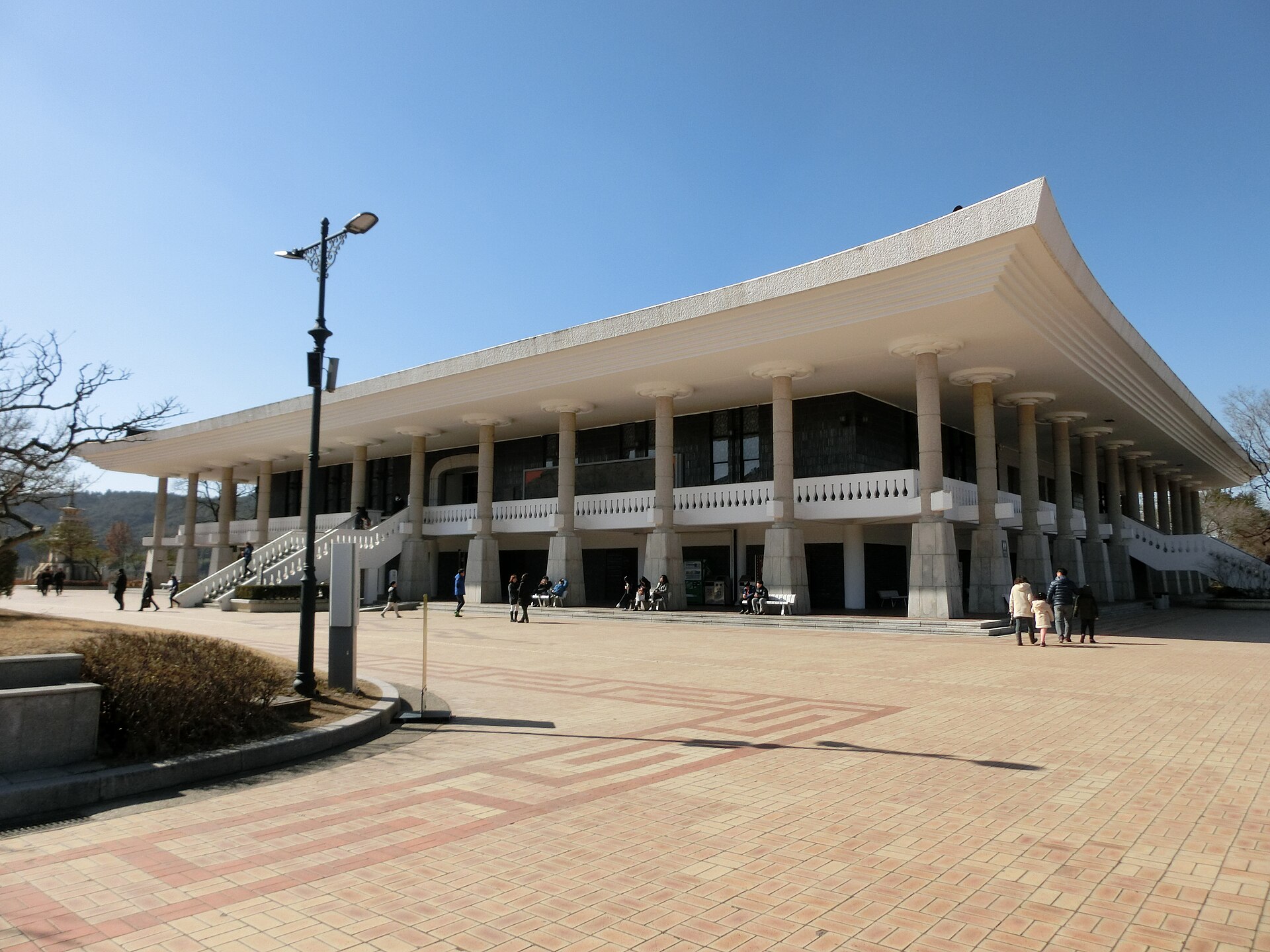
The museum’s English leaflet describes a progression from Silla’s emergence through its goldworking tradition to unification and Unified Silla culture. That makes the History Hall a useful starting point if you have seen the city’s burial mounds but do not yet have a framework for what they represent.
Choose one object rather than attempting to memorize a dynasty. Read where it was found, what material it uses and what its label says about its purpose. Then ask which part of your first impression survives that explanation. A glittering object can attract your attention; its archaeological context is what connects it to the landscape you came to visit.
If a particular crown is your reason for coming, confirm its current display before travelling. A museum owning an object does not mean it is always in the same case. The advertised Silla Gold Crowns: Power and Prestige special exhibition ended on February 22, 2026, according to the museum’s dated notice; old coverage is not a ticket to that exhibition today.
Choose Wolji Hall before a palace-pond visit
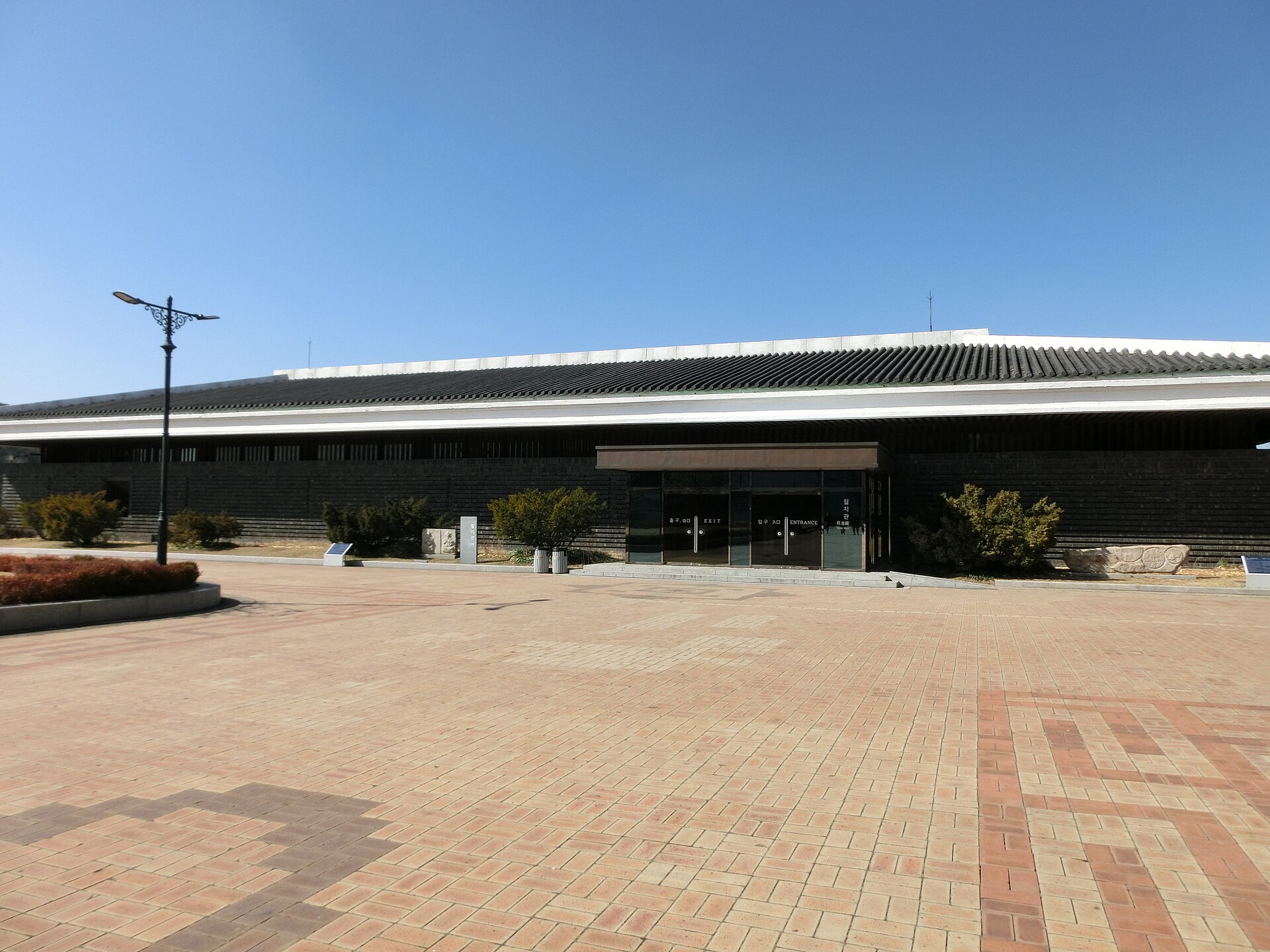
Wolji Hall presents finds from Donggung and Wolji Pond to explain royal life in Unified Silla. It is a different experience from visiting the pond itself: one supplies the objects and interpretation, while the other supplies the setting.
Look for the difference between an architectural fragment and an object used by a person. For each, note one detail that you could not have learned from a view across the water alone. Later, at the palace grounds, you have something to imagine beyond the reflections. You do not need to turn the visit into a research exercise; one remembered detail is enough to give the next stop a connection.
If your energy is limited, make this your main hall instead of treating it as an extra after every other gallery. Check the palace site’s own ticket and opening arrangements separately. The museum’s free admission does not cover another attraction by implication.
Leave room for one outdoor object
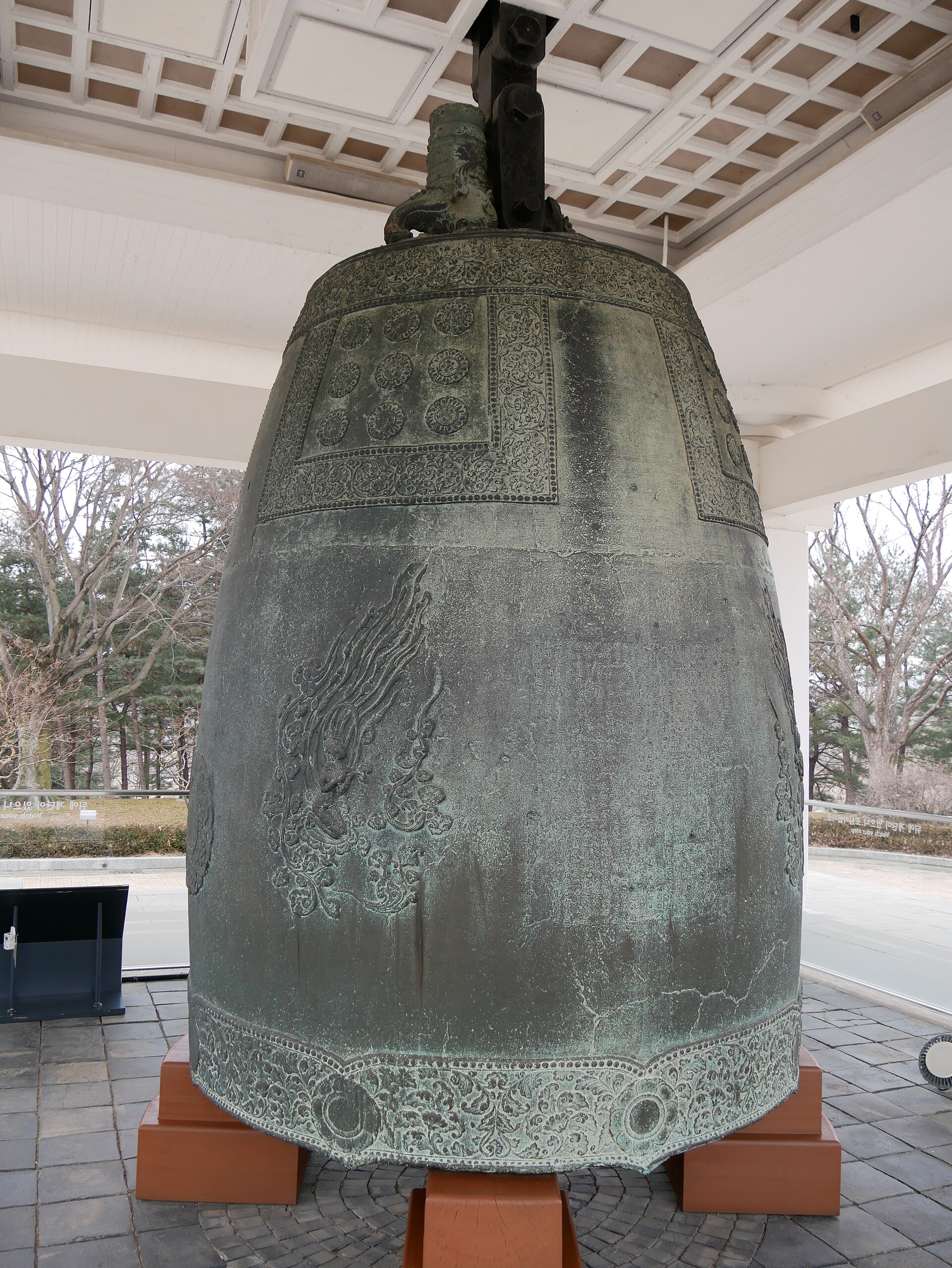
The outdoor collection includes the Divine Bell of King Seongdeok and stone works transferred from historic sites. Stop at the bell and move your attention from its overall form to the patterned bands and figures on its surface. This is a chance to look closely, rather than merely collect another landmark photograph.
Choose whether to do this before or after the indoor hall according to the weather. On a rainy day, protect the main indoor visit and shorten the outdoor section. Do not assume the entire museum is a single enclosed building.
Use the current hours before adding an evening stop
As checked on October 3, 2026, the museum’s current Korean visitor page gives normal hours of 10:00–18:00, with Saturday opening until 20:00 from March through October. Entry closes 30 minutes before closing. Permanent admission is free; separately ticketed special exhibitions are an exception.
The same page lists full closures on January 1, Seollal and Chuseok, plus gallery closures on the second Monday of March, June, September and December; the grounds remain open on those quarterly gallery-closure days. Older English information differs, so use the current visitor notice for the date you choose.
The address is 186 Iljeong-ro, Gyeongju. Save the museum’s exact entrance in your map and allow travel time from your arrival station or terminal. Finish your plan by selecting the hall you most want to see and the time you need to leave. A focused visit that enriches the rest of Gyeongju is more useful than rushing through all the buildings.