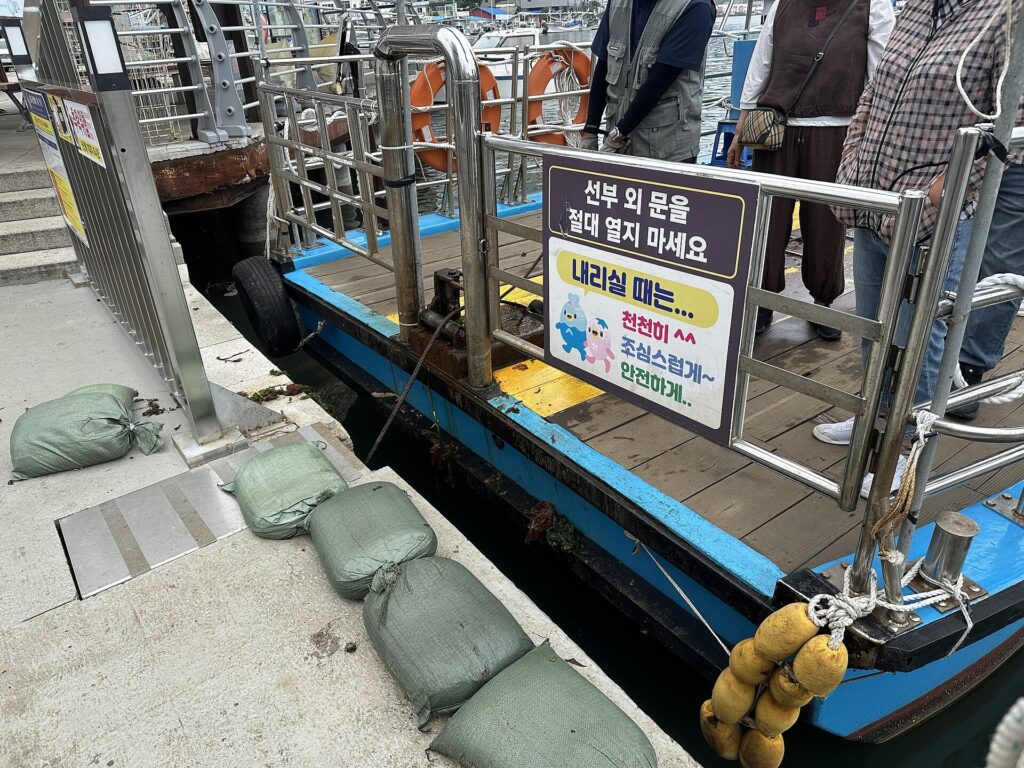
The crossing to Abai Village is short enough to look like a novelty ride. Its value is the connection it makes: Sokcho’s town center on one side, and a neighborhood shaped by displacement and a different food tradition on the other. Give the ferry, the lanes and the shoreline their own attention rather than treating the whole area as a queue for one famous dish.
Ride Gaetbae for the crossing itself
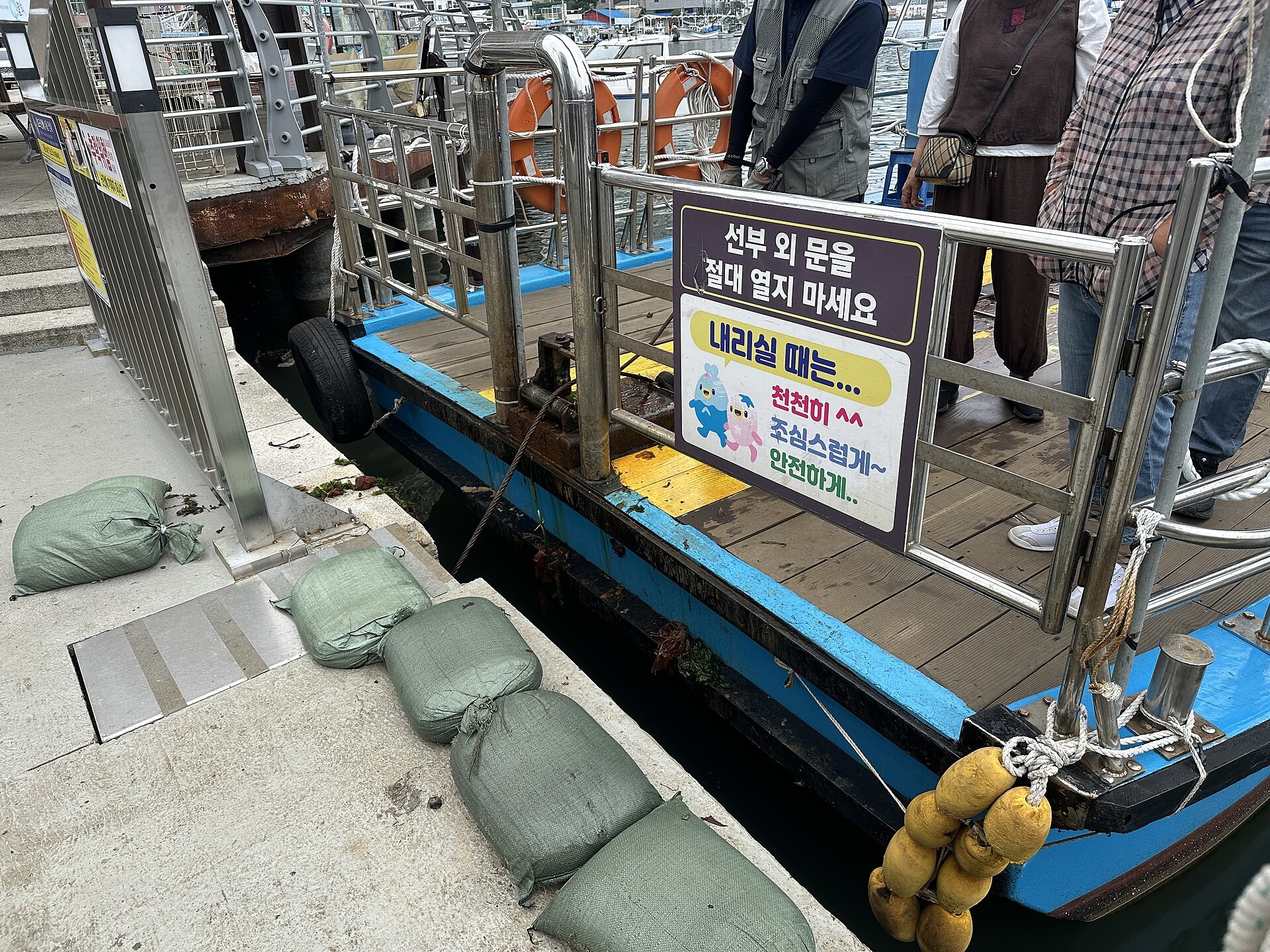
Sokcho’s official Gaetbae information describes a hand-pulled ferry linking the town with Cheongho-dong. The city-side terminal is at 51 Jungangbudu-gil. The fare is 500 won one way for adults and 300 won for primary-school children; budget for both directions if you intend to return on the boat.
The published operating window is 05:00–23:00 from May through October and 05:30–22:30 from November through April, subject to weather. Pets are not allowed. Follow the crew’s boarding instructions and keep clear of the working ropes; an unusual propulsion system is not an invitation to operate it yourself. If your plans depend on a late crossing, confirm service at 033-639-2449.
Understand the neighborhood before using it as a backdrop
The city’s Cheongho area description connects the village with people displaced from Hamgyeong Province during the Korean War. That is a more meaningful starting point than calling the streets an old-fashioned film set. The neighborhood’s identity comes from people making a home, not from buildings assembled to entertain visitors.
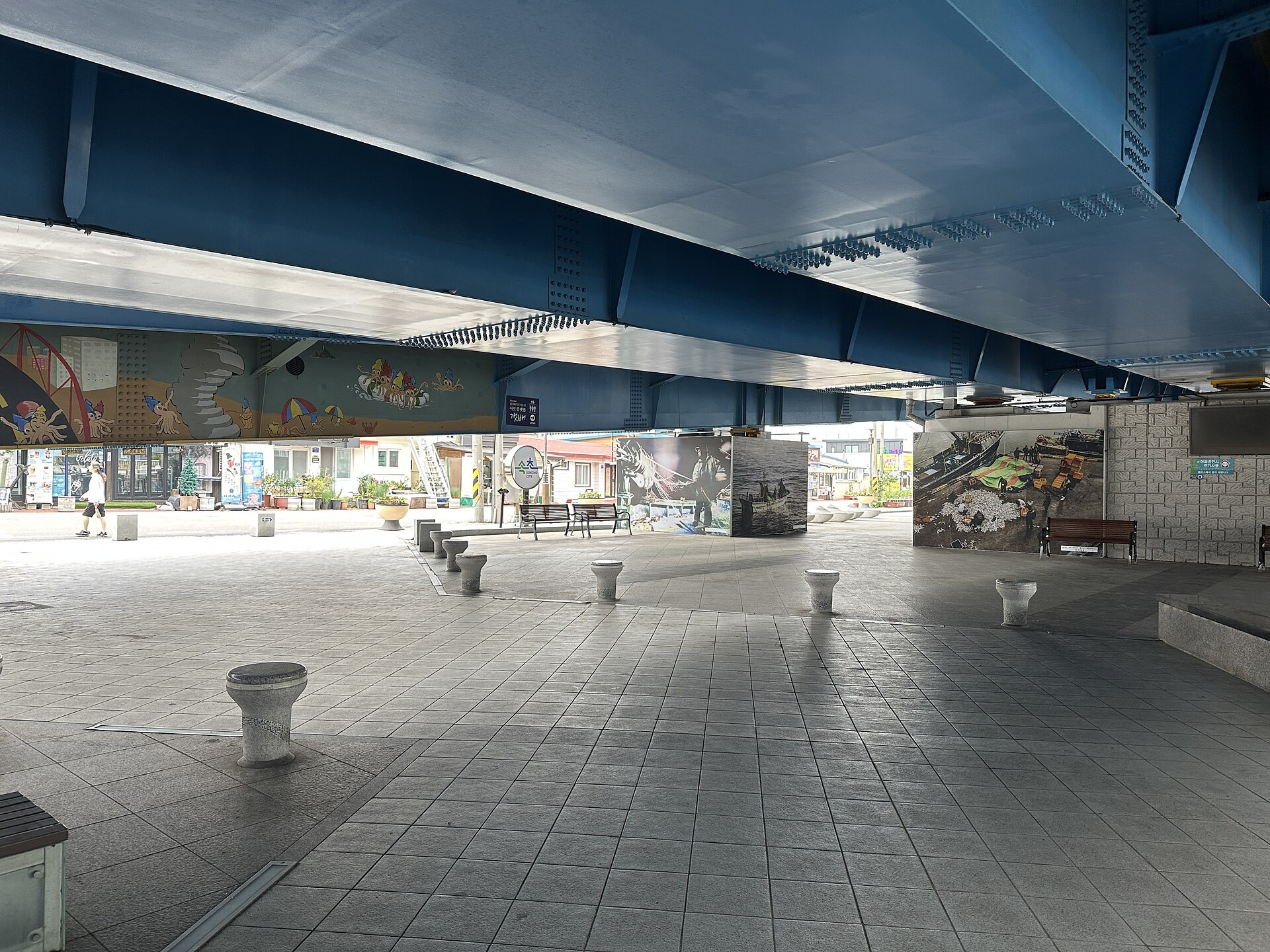
Separate public space from domestic space as you walk. A bench or marked viewing area is a reasonable place to pause; an open household doorway is not. If you photograph a lane, include enough surrounding context to show its scale without peering into homes. Food signs, bridges and the nearby water already tell a strong story without turning residents into subjects.
Read the menu: Abai sundae and squid sundae are different choices
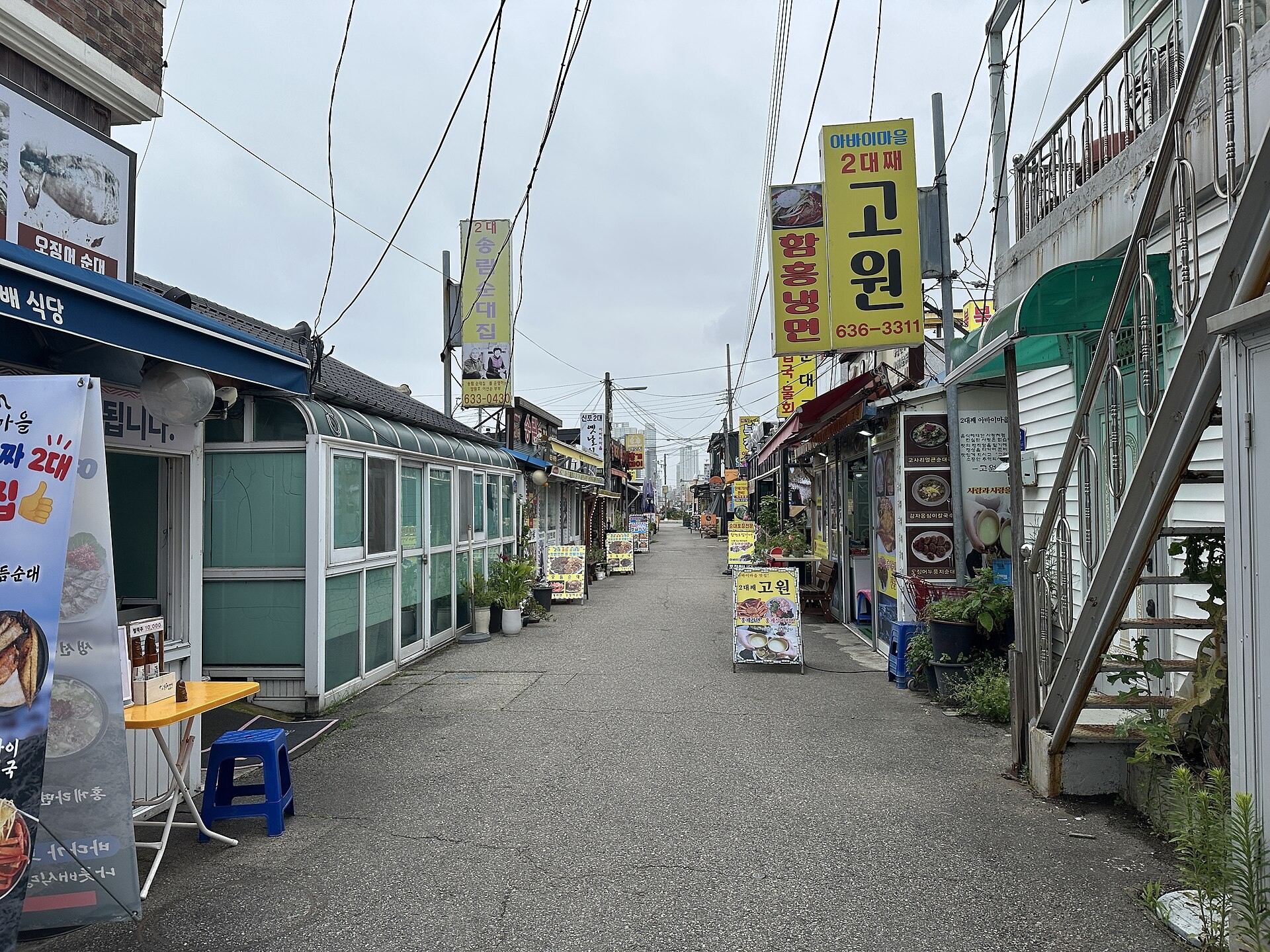
The local specialty called Abai sundae uses a pork-intestine casing with ingredients including glutinous rice, blood and vegetables. Squid sundae uses squid as the outer body. These names describe different preparations; neither means a sweet ice-cream sundae. If two people want to compare them, first ask whether a mixed plate is available and what portion size it serves.
Menus can vary by restaurant, so do not infer the entire filling from the dish’s name. Ask about pork, blood or seafood if those ingredients matter to you. Decide whether you want a full meal or a tasting plate before adding soup and side dishes. This guide explains the choices rather than claiming that a particular photographed shop has been tasted or ranked.
Return by the bridge if you want a broader view
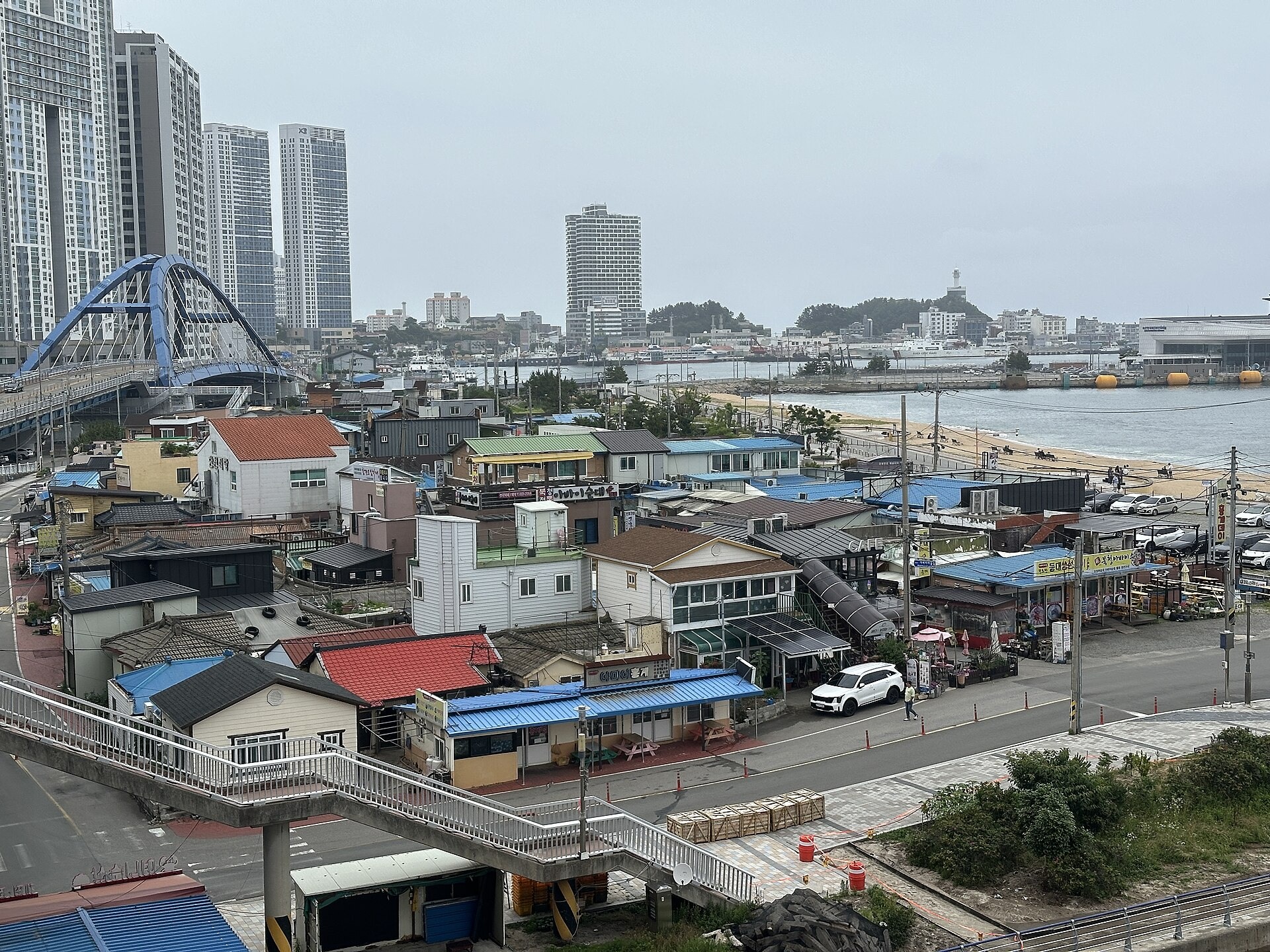
Sokcho’s bridge-walk guide describes a route involving Seorak and Geumgang bridges and access between the bridge and village by stairs or elevator. This gives you a possible alternative to simply repeating the ferry journey. Check the actual access points and elevator operation on the day rather than assuming every route is step-free.
A higher view makes the village’s position beside the water easier to understand. It also changes the outing’s effort: stairs and a longer exposed walk are different from a brief boat crossing. For a relaxed visit, make one crossing the main experience, eat only if you are hungry, and choose the return route according to your group’s mobility and the weather.
Practical details checked against Sokcho’s visitor information on 4 October 2026. Keep the distinction between a neighborhood guide and a restaurant review: the photographs show the place, while the food discussion helps you order without pretending to supply a firsthand taste test.