Historical Significance and Location
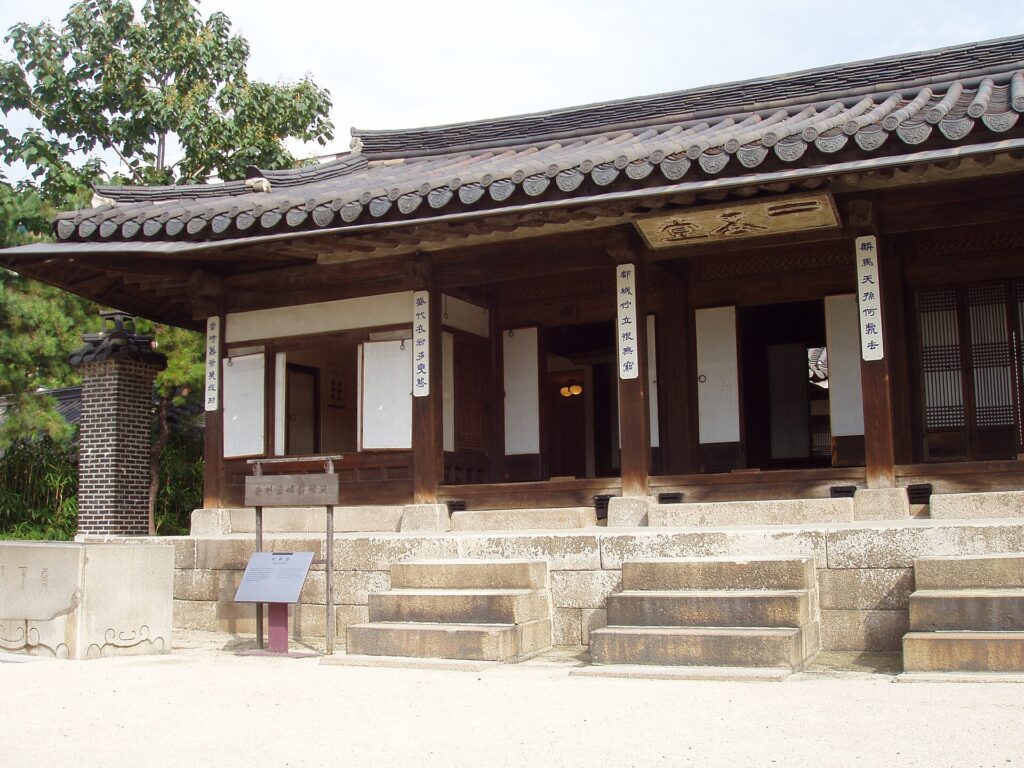
Located at 464 Samil-daero in Jongno District, Seoul, Unhyeongung is a private residence rather than a standard palace. It served as the home for the family of Heungseon Daewongun and was the birthplace where Gojong lived before ascending to the throne. The complex holds significant historical weight as the starting point for many late Joseon dynasty events, including various reform and isolationist policies.
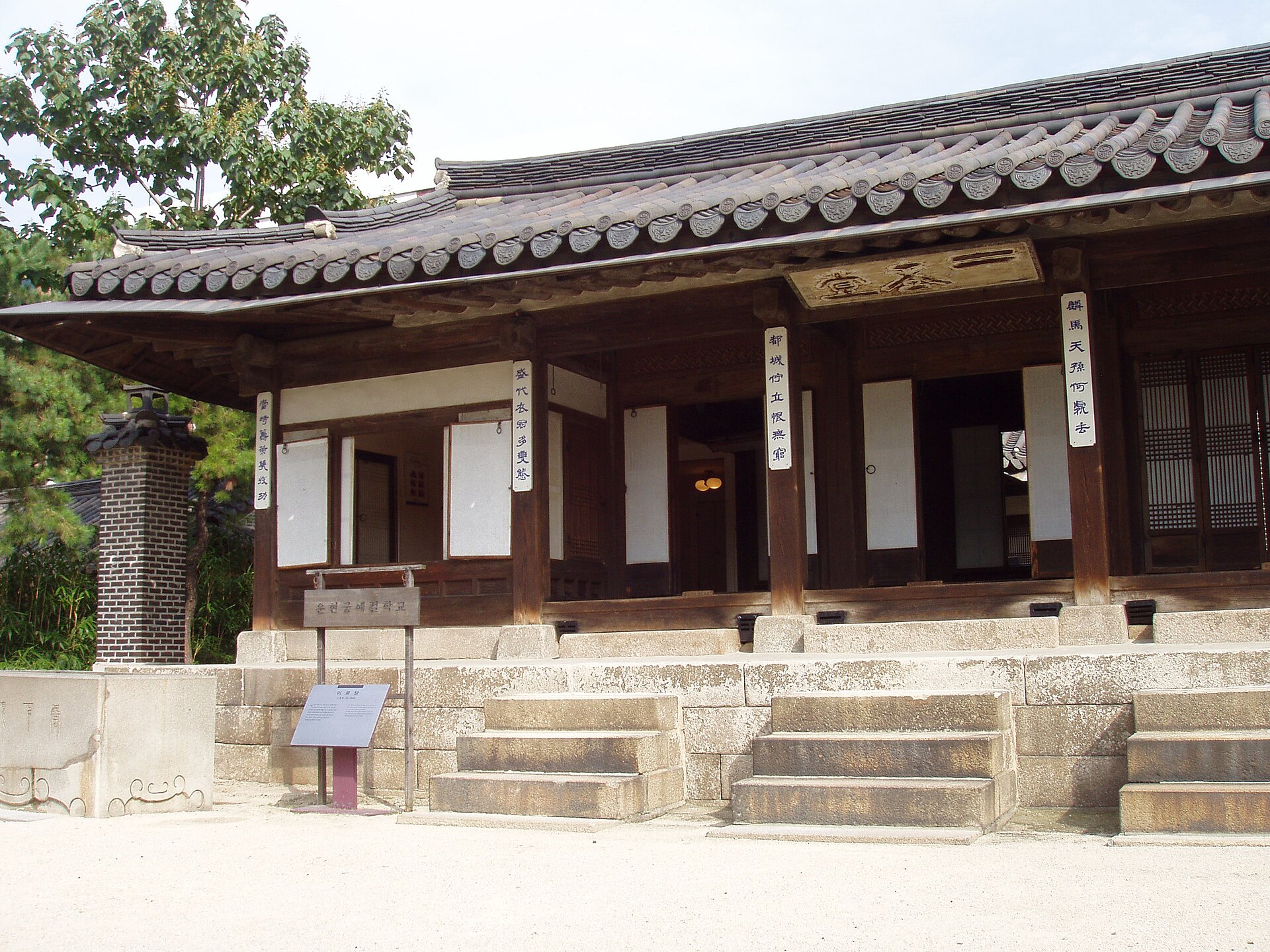
Photo: Daderot. · CC BY-SA 3.0

Architectural Features
The architectural layout of Unhyeongung is defined by its principal residential structures, which reflect the domestic scale of a royal residence rather than a state palace. The most prominent buildings on the site are Noan-dang and Norak-dang, both of which were completed in September 1864. These halls served as central living spaces for the family residing within the complex. To further expand the functional capacity of the estate, a third major structure named Iro-dang was added six years after the initial completion of the main halls. The entrance to the grounds is marked by gate structures that have undergone significant reduction over time. While historical records indicate that four main gates were present during the site's peak period of usage, only one such gate remains standing today. This reduction in physical infrastructure highlights the changes in the site’s preservation status and current footprint compared to its original configuration.
Operating Hours and Admission
Admission to Unhyeongung is free. The site is closed every Monday, except when it coincides with a public holiday.
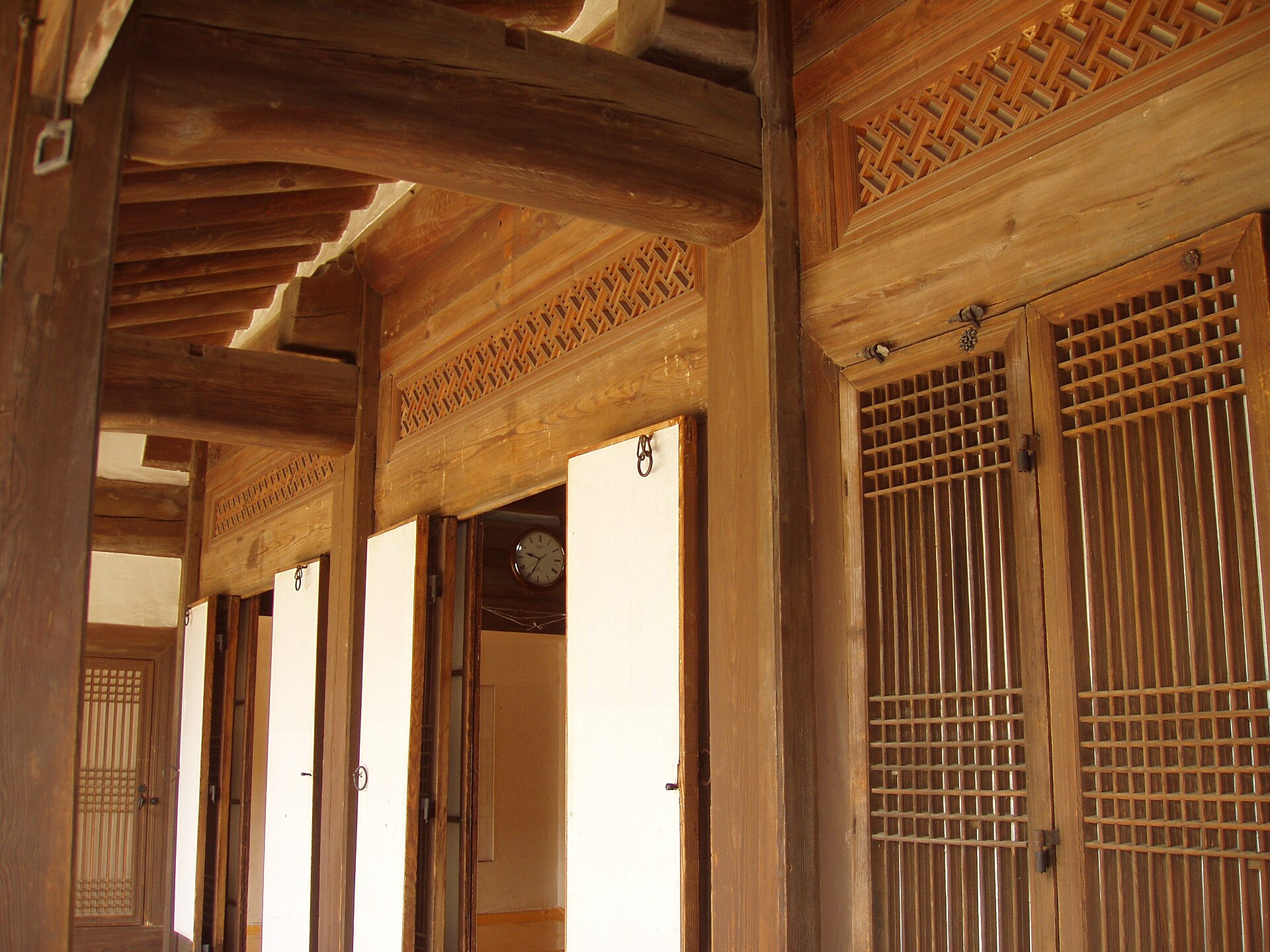
Photo: Daderot. · CC BY-SA 3.0

Visitor Experience and Activities
Given its compact size, most visitors spend about one to two hours exploring the grounds. The site offers specific cultural programs that provide an immersive look at historical daily life. In Gavaedang, visitors can make and taste coffee using methods that replicate how it was first prepared in Korea during the late 1800s. Additionally, a traditional Korean tea ceremony is available where participants conduct the ritual and enjoy traditional tea. Both of these activities cost 5,000 won per person. For those wishing to take photographs in period attire, costume rental is available for 3,300 won for a 20-minute duration; no reservation is required, and costumes can be picked up at a rental shop on-site.
Practical Tips for Visiting
The most comfortable months to visit are October, March, and April, with October offering manageable temperatures around 18.6°C. Given its compact size, visitors should allow about an hour to fully explore the grounds and absorb the historical significance before rejoining their tour. The site is generally not crowded, allowing visitors to enjoy the peaceful courtyard and tiled roofs away from city bustle; sitting by a window with a pour-over coffee provides a quiet escape from the urban environment.
For those interested in photography, costume rental is available for 3,300 won for a twenty-minute session without the need for prior reservation. Visitors can also participate in cultural programs at Gavaedang, where they can make and taste coffee in the style of its introduction to Korea in the late 1800s, or conduct a traditional Korean tea ceremony; both programs cost 5,000 won per person.